πΩθ©±°²³µ¼½¾÷ø
|
| map
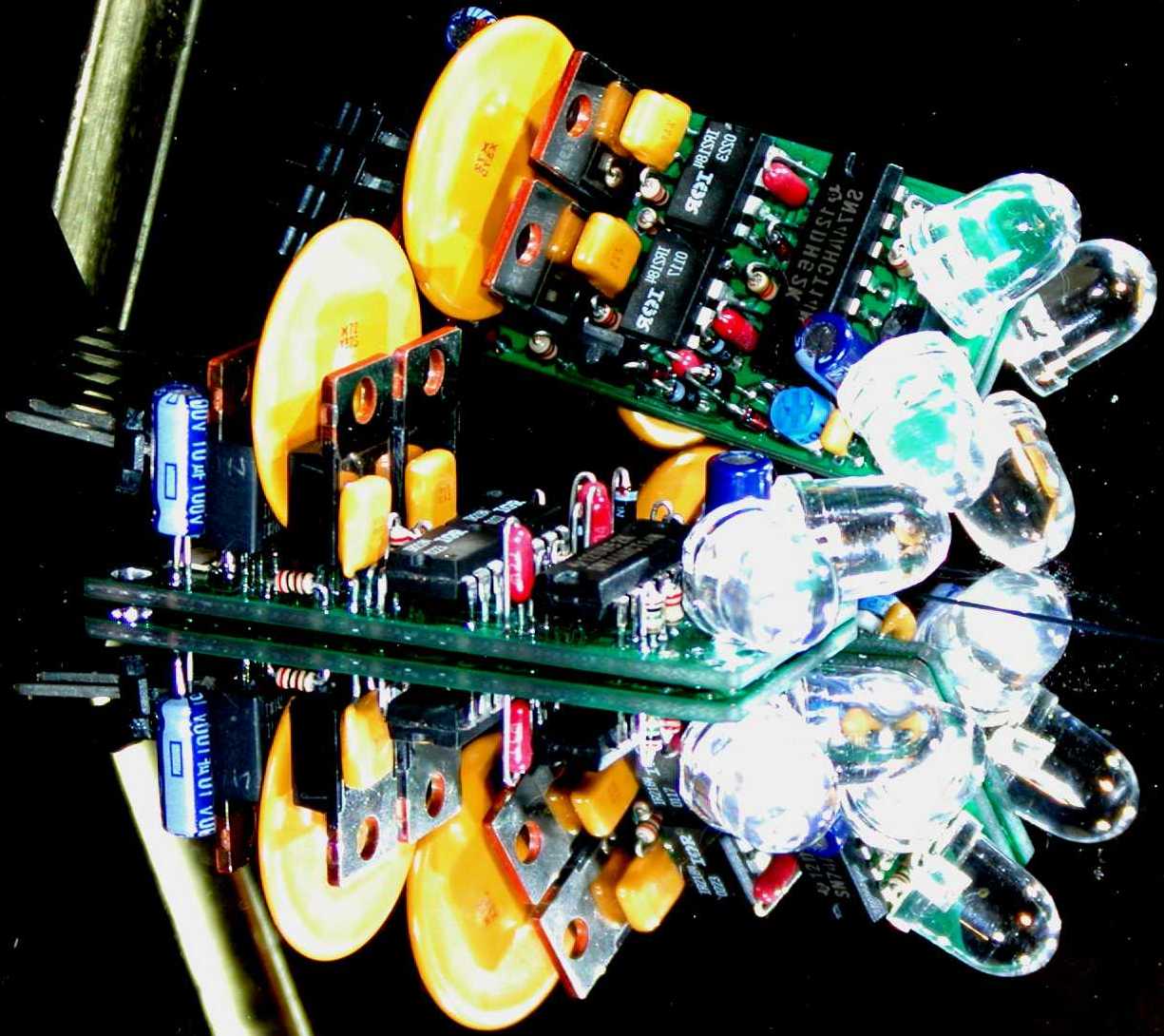
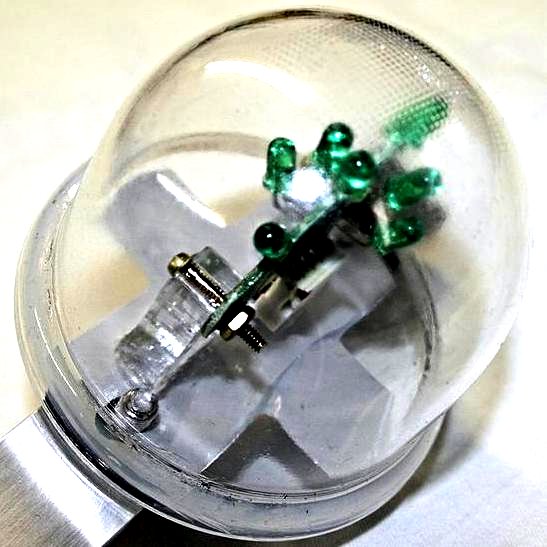
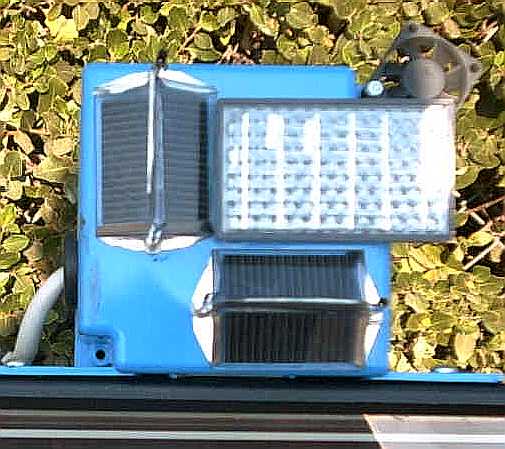
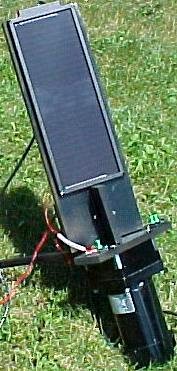
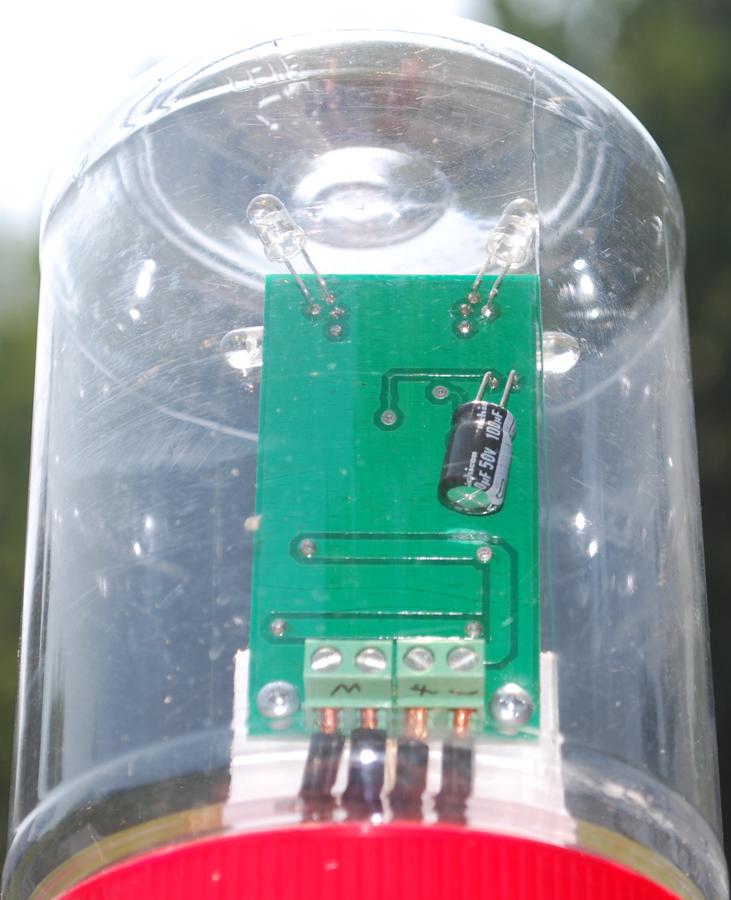
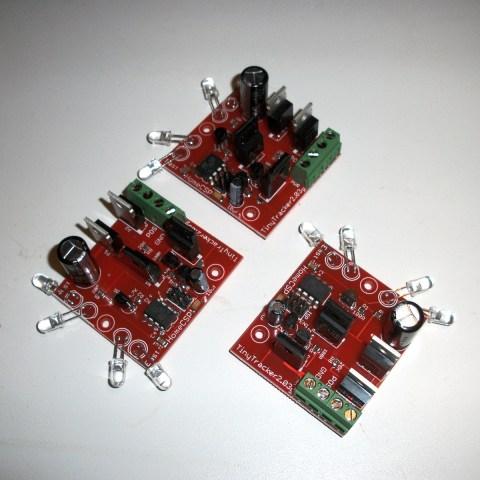
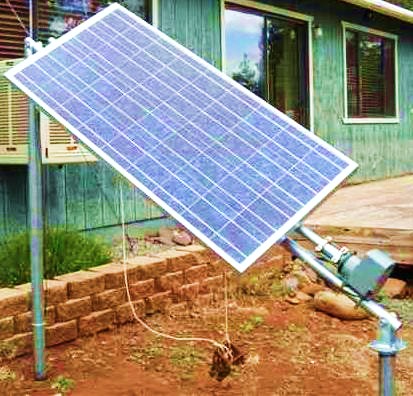
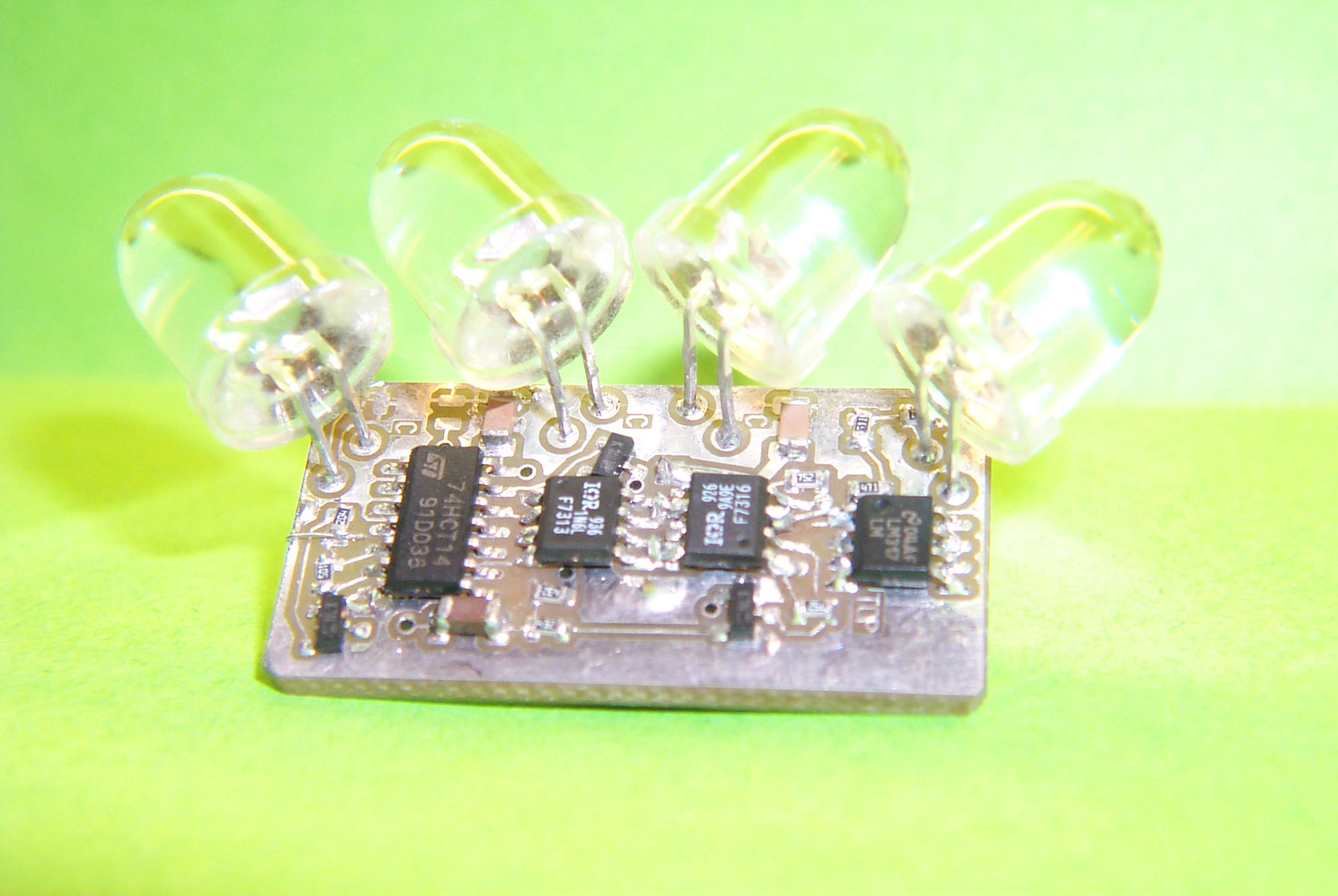
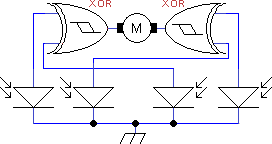
 * LED3X Solar Tracker A simple, accurate, low cost, single axis electronic solar tracker based on using green LEDs as photovoltaic light sensors. |
HELIOSTAT or CENTRAL RECEIVER SYSTEM:
| 1. | A heliostat is, generally, a one or two axis solar tracking flat mirror that reflects sunlight onto a fixed receiver or target. |
| 2. | Furthermore, the geometry between the Sun, Mirror, and Receiver is constantly changing throughout the day or year. |
| 2a. | There is a special case, the Type 1 Coelostats, where light is sent along the polar axis where the geometry is approximately fixed throughout the day and parabolic concentration can be used as in the Scheffler Reflector. scheffler See the Scheffler Reflector. This appears to violate #2, but it doesn't. In this case the geometry changes throughout the year, not just throughout the day. |
| 3. | In general, the mirror is aimed normal to the bisector between the sun and receiver. |
| X | Many mistakenly call "Direct Solar Trackers", such as Dishes, Troughs, and Lenses as heliostats. They are not. Generally, these things are aimed directly at the Sun which violates #2 above. Here are some "Dictionary" definitions: A. Dictionary.com: An instrument consisting of a mirror moved by clockwork, for reflecting the sun's rays in a fixed direction. B. Collins: An astronomical instrument used to reflect the light of the sun in a constant direction. C. Merriam-Webster: An instrument consisting of a mirror mounted on an axis moved by clockwork by which a sunbeam is steadily reflected in one direction. D. Webster's New World: a device consisting of a mirror slowly revolved by clockwork so as to reflect the sun's rays continuously in a fixed direction. E. American Heritage: An instrument in which a mirror is automatically moved so that it reflects sunlight in a constant direction. It is used with a pyrheliometer to make continuous measurements of solar radiation. F. Wiktionary: A device that includes a plane mirror which turns so as to keep reflecting sunlight toward a predetermined target, compensating for the sun's apparent motions in the sky. The target may be a physical object, distant from the heliostat, or a direction in space, and is almost always stationary relative to the heliostat, so the light is reflected in a fixed direction. G. British Dictionary: Instrument used in solar telescopes to orient and focus sunlight along a fixed direction. A typical heliostat consists of a flat plane mirror and a curved parabolic mirror. The plane mirror is mounted along an axis parallel (i.e., equatorial) to the Earth and rotated slowly by a motor to reflect light from the Sun. The parabolic mirror focuses the reflected rays into the telescope along a fixed direction while the Sun traverses the sky. Therefore, as the telescope's field of view rotates, different celestial objects move quickly into view And others. The problem for us in the Solar Field is these definitions are just too general or so specific they exclude many real heliostats. And the British Dictionary definition is just plain wrong. |
archimedes
 Archimedes
in ancient Syracuse, Sicily
It's been reported Archimedes destroyed ships in the harbor with a death ray, or heat ray.
While "technically" feasible the practicality of such a weapon is doubtful. The physics just don't make sense. The harbor is at least 2 miles wide and 1 mile wide at the entrance. Sending light a distance of 1/2 mile from a line, or several lines, of many mirrors on the shore just can't set the ships on fire.
As the MythBusters say, BUSTED.
mechanical
Early Mechanical Heliostats and Coelostats
And some modern ones for illustration.
heliostats
| Heliostats (pronounced [HE·LEE·o·stat]), generally, reflect light onto a stationary target.
William Jacob S'Gravesande coined the word heliostat in a textbook in 1742 from the Greek words for Sun and Stationary. They cover a range of devices such as Coelostats (pronounced [SEE:low:stat]) and Siderostats (pronounced [sid:er·o·stat]). However, we usually consider heliostats as having 1 mirror while coelostats and siderostats have 2 or more mirrors. All have a primary clock drive moving the main axis and is aimed at the celestial pole. These rotate once in 24 hours. None have a drive for the secondary DEClination axis. The secondary axis is always manually adjusted each day their used. |
| 1 |
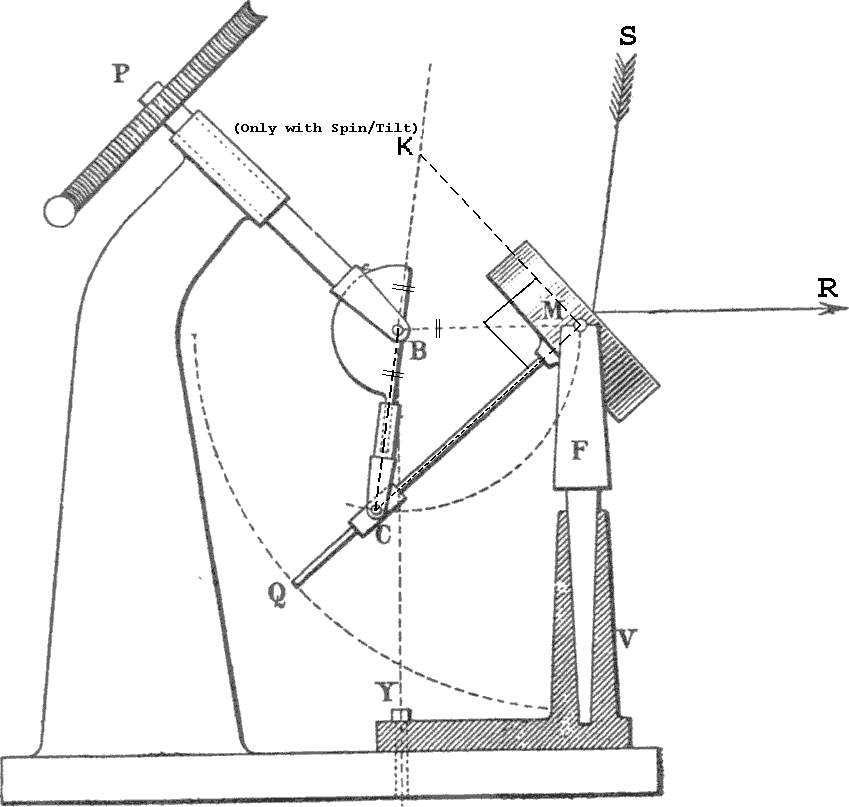
foucaultops The Foucault (pronounced [foo·coh]) or (Cloesen) type's mirror drive bar is oriented normal, (or perpendicular), to the mirror's plane surface and usually out the back. The mirror motion is usually in AZimuth/ALTitude although one example, the Etsy1, moves in Spin/Tilt (Receiver Axis). There can be another bar, MK, off to the side, as in Foucault1, which prevents the mirror from binding at certain angles. Note, this second bar is not part of the geometry calculation, just there to help prevent problems at extreme angles. The sliders on the drive bar must be able to articulate in all three motions of pitch, yaw, and role in addition to slide. This is the equivalent of a "Ball Joint" as opposed to a "U-joint". These motions must be dead centered in the main slider and its bar. The Spin/Tilt (Receiver Axis) line passes through the Receiver, Mirror Ball Joint, and through the clock Drive axis. The Foucault1 mirror mount looks like it's AZimuth/ALTitude but its actually Spin/Tilt (Receiver Axis). The mirror rotates on a bearing on it's back side. (Difficult to see in the image.) Etsy1 has a yoke that operates directly in Spin/Tilt (Receiver Axis). In the diagram, points BCM form a triangle with two sides BC & BM are equal in length with side CM is variable in length depending on the time of the day. Side CB points to the DEClination angle of the sun, +-23.5°. Angle CBP = 90° - the current DEClination. Usually the angle from vertical BY to side BM is 90° so the light leaving the unit is horizontal. However, the Foucault1 and Etsy1 examples have mechanisms that allow the exit angle to be adjusted in ALTitude as well as AZimuth. In Foucault1 the mirror mount is adjustable in height. A link near the base maintains the side BM length constant and equal to BC, a parallelogram, no mater the light exit ALTitude angle. Foucault1 has an extra link near its base that maintains length BM even when the mirror mount is raised so light can exit at angles other than horizontal. In Etsy1 the mirror mount is adjusted by moving in an arc about point B.The radius of the arc maintains the side BM length constant and equal to BC. There is no error for any light exit ALTitude. Jacobus Van der Cloesen's heliostat predates Léon Foucault's design by many years, at least from 1730, but the eminent Foucault gets the credit because he completely described the operation in the literature. Poor Cloesen, go figure??? %^( |
| 2 |
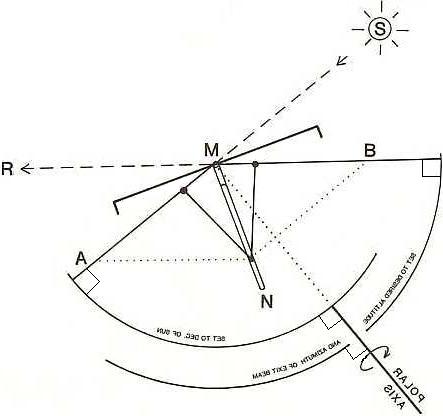
gambeyops The Gambey (pronounced [gahm·bae]) (1823) type mirror drive bar is oriented parallel to the mirror's plane surface and going off the side. The axis of the drive bar must pass through the center of the mirror's gimbal mount. The mirror motion is always in Spin/Tilt (Receiver Axis). The sliders on the drive bars must be able to articulate in all three motions of pitch, yaw, and role in addition to slide. This is the equivalent of a ball joint as opposed to a U-joint. These motions must be dead centered in the slider. A particularly nice compact version was designed by George Johnstone Stoney (1826-1911) in 1869 in a small wooden box. Later, Rudolf Fuess (1879) used Stoney's yoke mechanisms, for the Spin/Tilt (Receiver Axis), and made a very accurate versions of the Gambey type heliostat. These are probably the most elegant looking, though expensive, examples of all the mechanical heliostats. Pistor1 Heliostat is also of the Gambey type. Its similar to the Stormey type but, sort of, "Inside Out". In the diagram points BKM form an equilateral triangle with two sides BK & BM equal in length and the third side KM is variable in length. Side BK points to the "Daily DEClination" angle of the sun, up to +-23.5°. + toward the North pole and - toward the South pole. The angle formed by PB, the polar axis and side BK = 90° - the "Daily DEClination". In the diagram side PM is shown horizontal so the light leaving the unit is horizontal. However, many examples have mechanisms that allow the exit angle to be adjusted in ALTitude, as well as AZimuth, by moving in an arc about point B. Moving in arc always maintains a constant PM length. The radius of the arc maintains the side BM length constant and equal to BK. |
| 3 |
silbermannops The Silbermann type's employ a mechanical angle bisector mechanism and the mirror motion is always Spin/Tilt (Receiver Axis). J. T. Silbermann invented this design in 1843. |
| 4 | Note! Any of the heliostats that employ Spin/Tilt (Receiver Axis) can have a bendable mirror to concentrate sunlight, somewhat, as long as the exit is along the polar axis.
The curvature must me done along the Tilt axis. This curvature adjustment is dependent on the current DEClination angle. This is fairly complicated to do. Further, this mirror could be a Toroidal dish as in the Scheffler Reflector. However, the exit axis must be along the Polar Axis. |
| 5 | As a practical mater! Foucault types tend to work better when positioned between the visible celestial pole & target and the Gambey types when positioned opposite the visible celestial pole & target.
I.e. in the northern hemisphere, the Foucault types are on the Southern side and the Gambey types on the Northern side. North side heliostats tend to require smaller mirrors than Southern side heliostats. Silbermann types can be placed in almost any location, although generally Northern side is preferred. |
| 6 |
coelostatops Coelostats, generally, use 2 mirrors. Their most important feature is they don't introduce "Field Rotation". Gabriel Lippmann in 1893 invented the coelostat which compensates for the Earth's rotation and allowed a region of the sky, or sun, to be photographed without apparent movement. All other heliostats rotate the image over time. Note!, I don't think Lippmann invented the coelostat. He just named it. Gravesande described it in 1742 with E.F August later in 1839 and then Foucault in 1862. |
 Foucault4 Foucault BC = BM North |
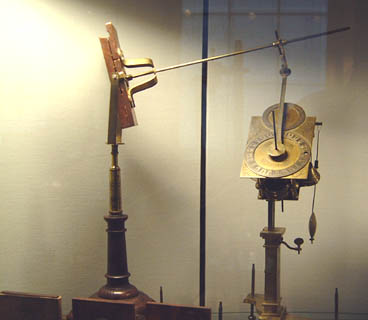 Cloesen1 Foucault ALT/AZ Cloesen North |
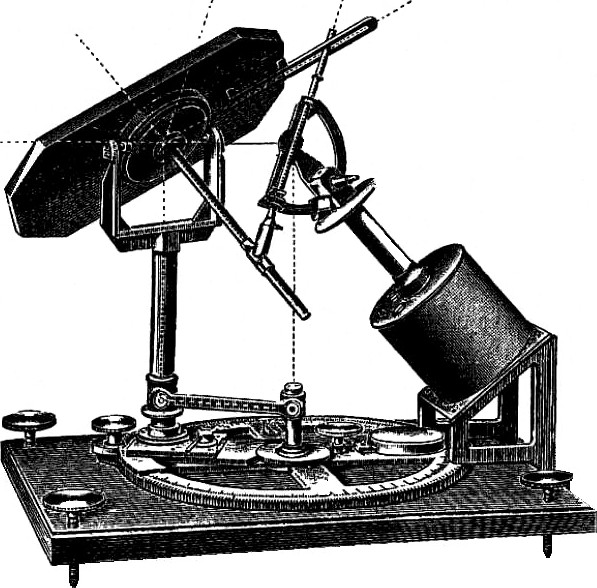 Foucault1 Foucault Spin/Tilt North |
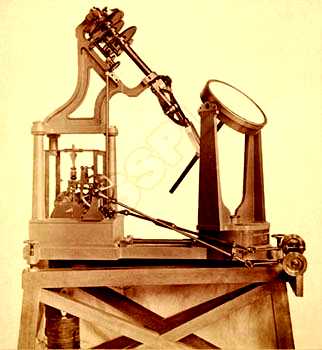 Foucault2 Foucault ALT/AZ Foucault South |
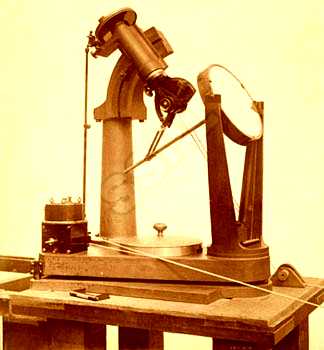 Foucault3 Foucault ALT/AZ Foucault South |
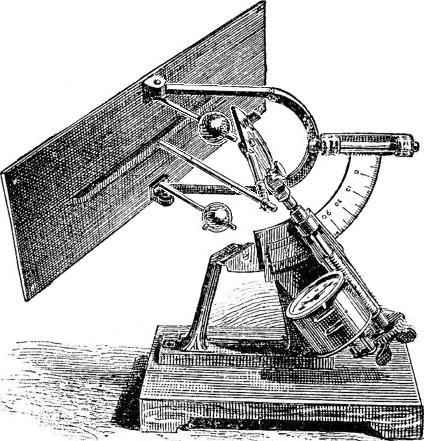 Etsy1 Foucault Spin/Tilt Foucault North |
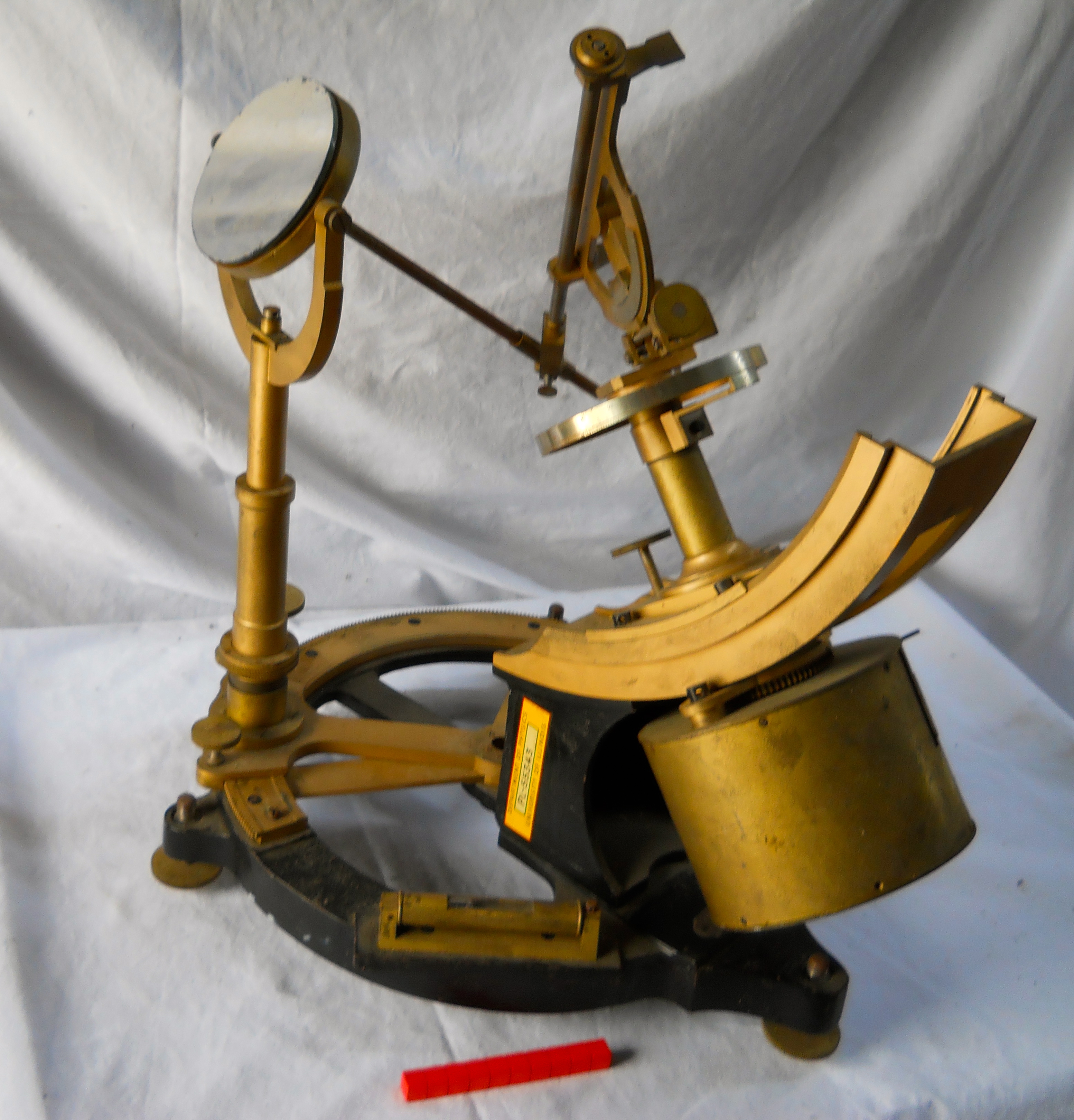 Dublin1 Foucault ALT/AZ Foucault North |
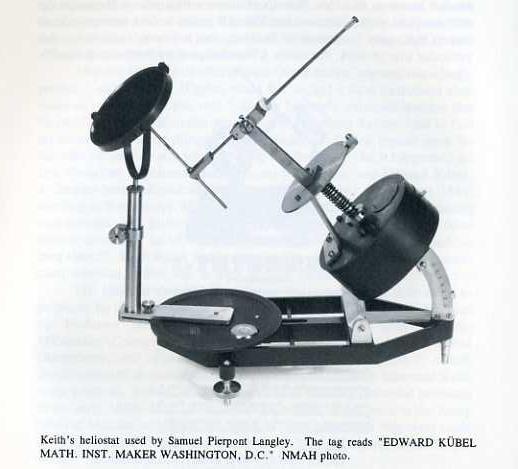 Kubel1 Foucault ALT/AZ Foucault North |
 Kubel2 Foucault ALT/AZ Foucault North |
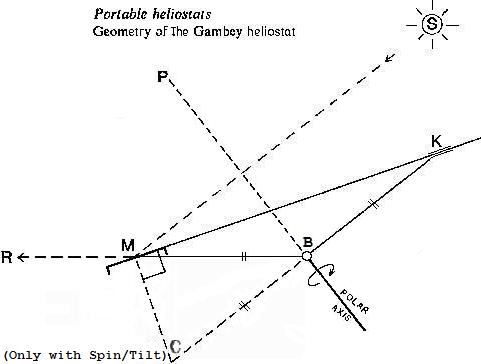 Gambey2 Gambey BK = BM North |
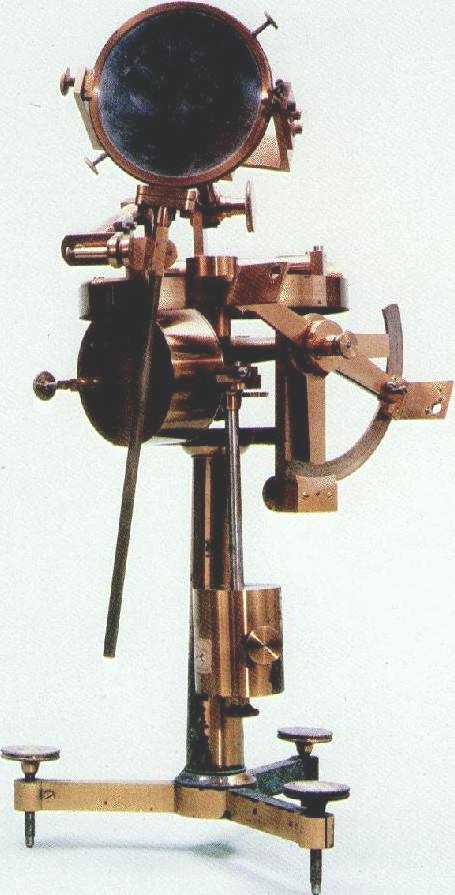 Gambey1 Gambey Spin/Tilt Gambey North Folded Up |
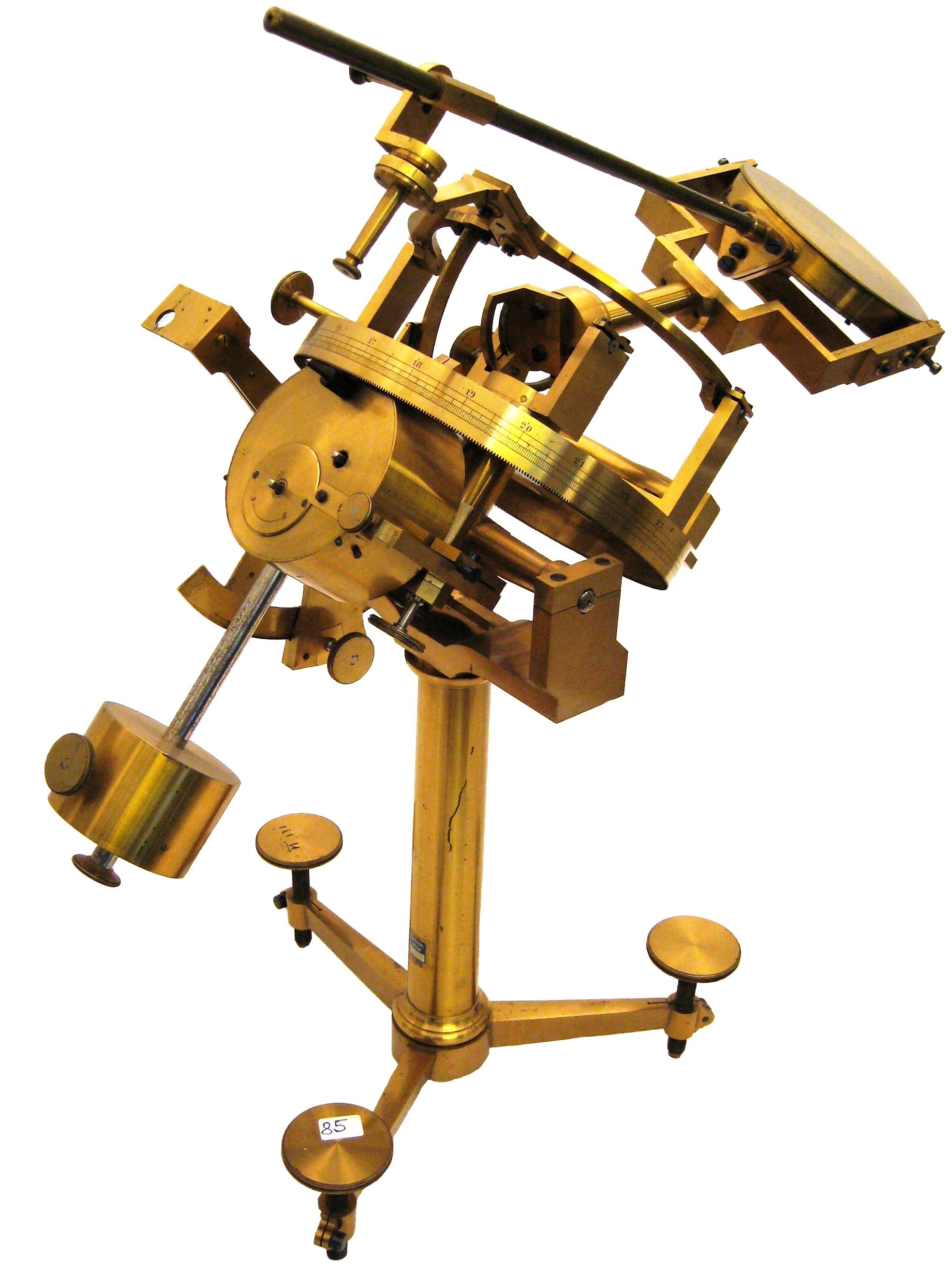 Pistor2 Gambey Spin/Tilt Pistor North |
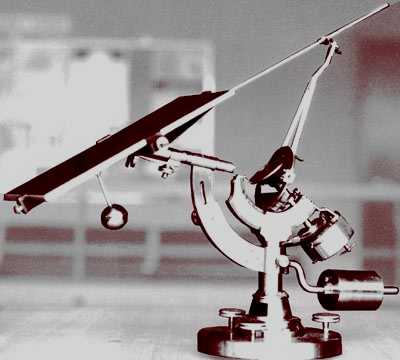 Tubingen1 Gambey Spin/Tilt North |
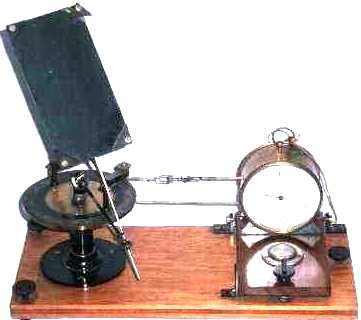 Schmidt1 Gambey Spin/Tilt Stoney North |
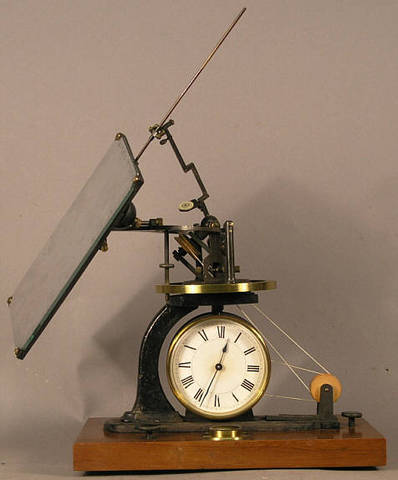 Stoney1 Gambey Spin/Tilt Stoney North |
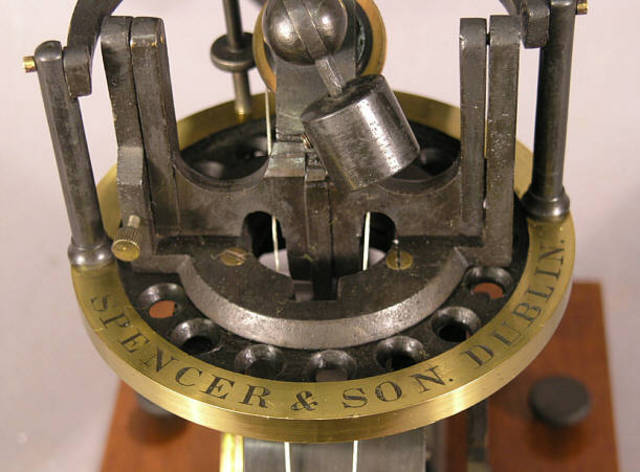 Stoney2 Gambey Spin/Tilt Stoney North |
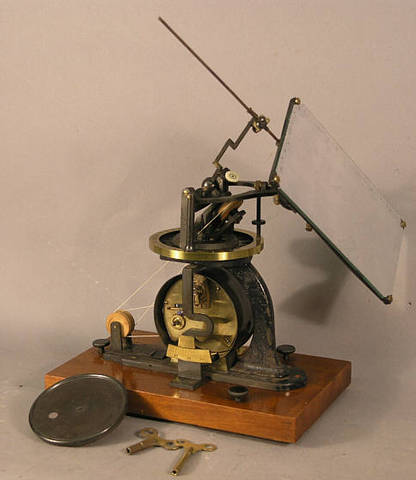 Stoney3 Gambey Spin/Tilt Stoney North |
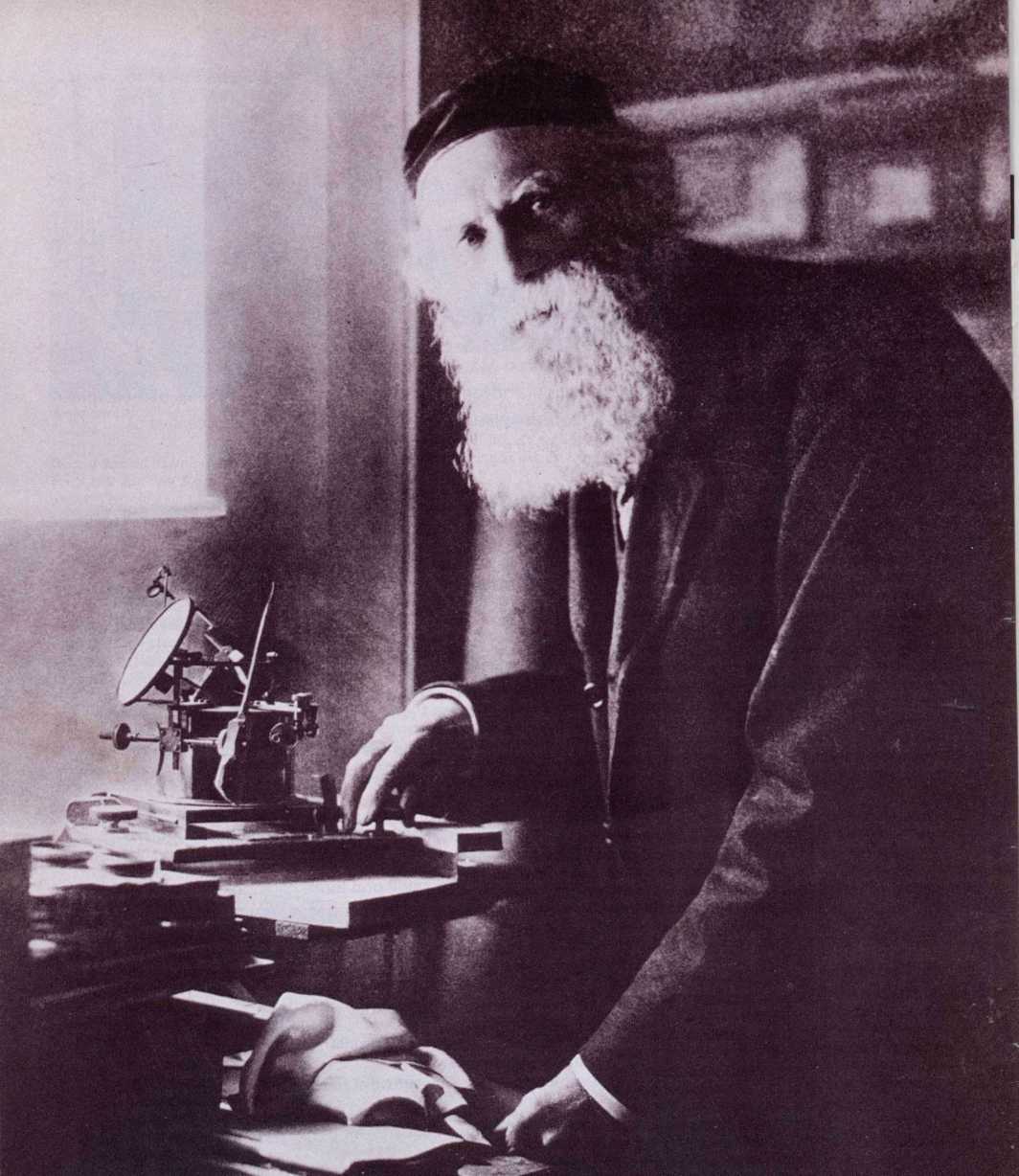 Stoney4 Gambey Spin/Tilt Stoney North Picture |
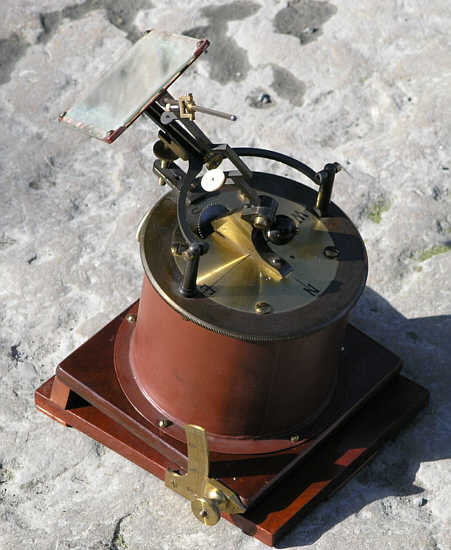 Harvey1 Gambey Spin/Tilt Stoney North With base |
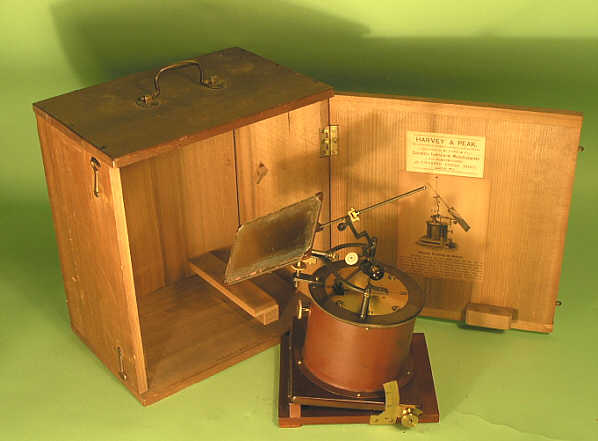 Harvey2 Gambey Spin/Tilt Stoney North In Case |
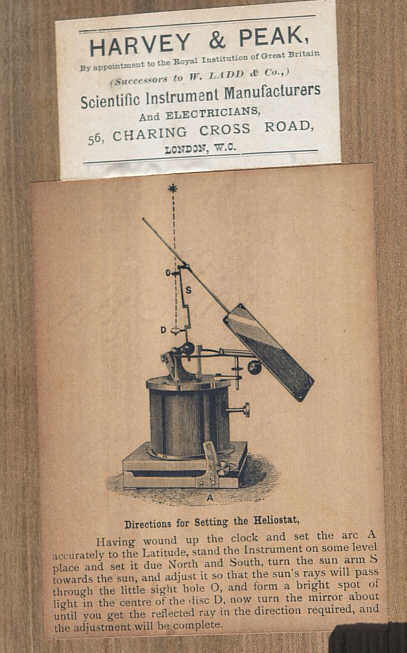 Harvey3 Gambey Spin/Tilt Stoney North Label |
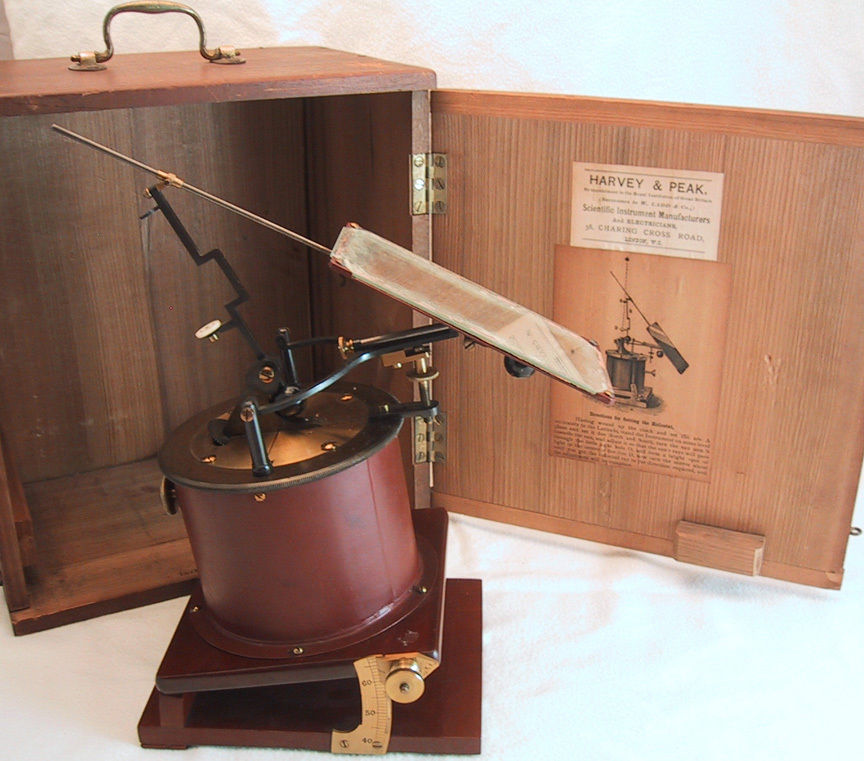 Harvey5 Gambey Spin/Tilt Stoney North In Case |
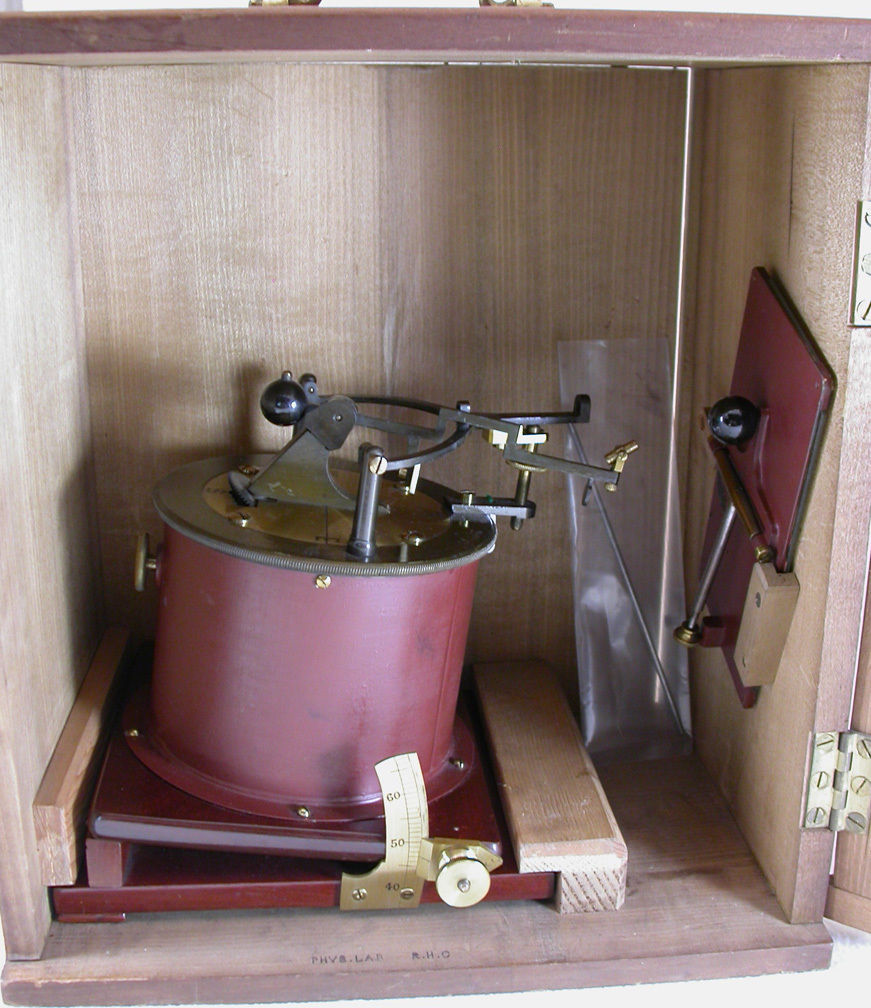 Harvey6 Gambey Spin/Tilt Stoney North In Case |
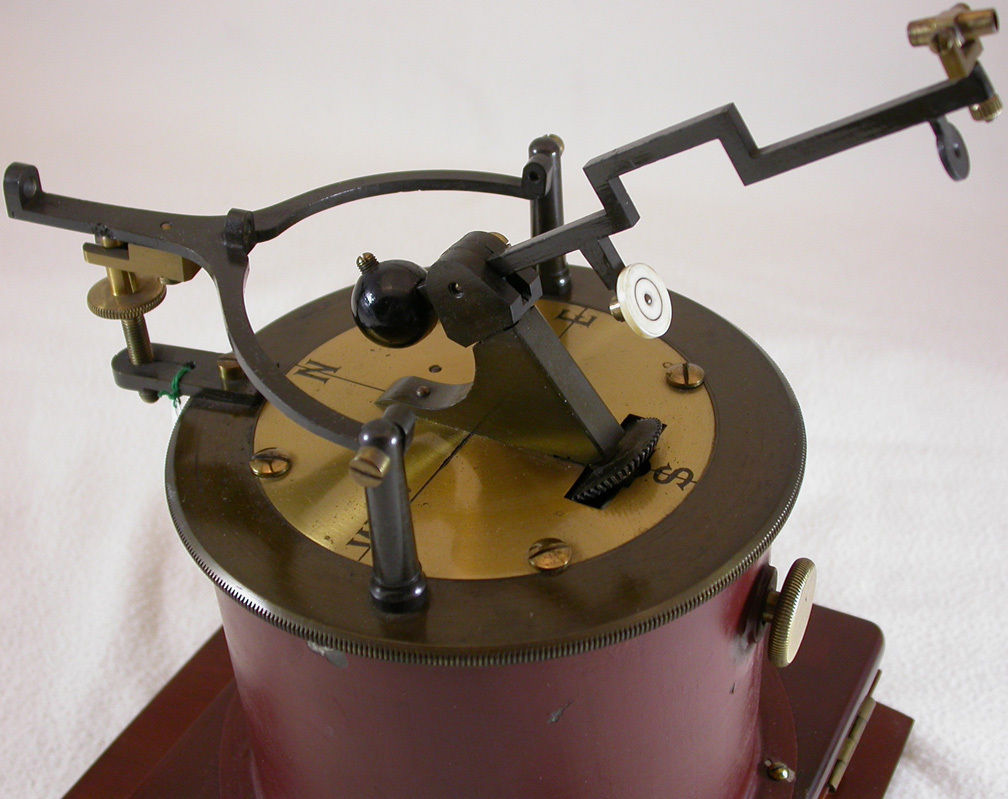 Harvey7 Gambey Spin/Tilt Stoney North |
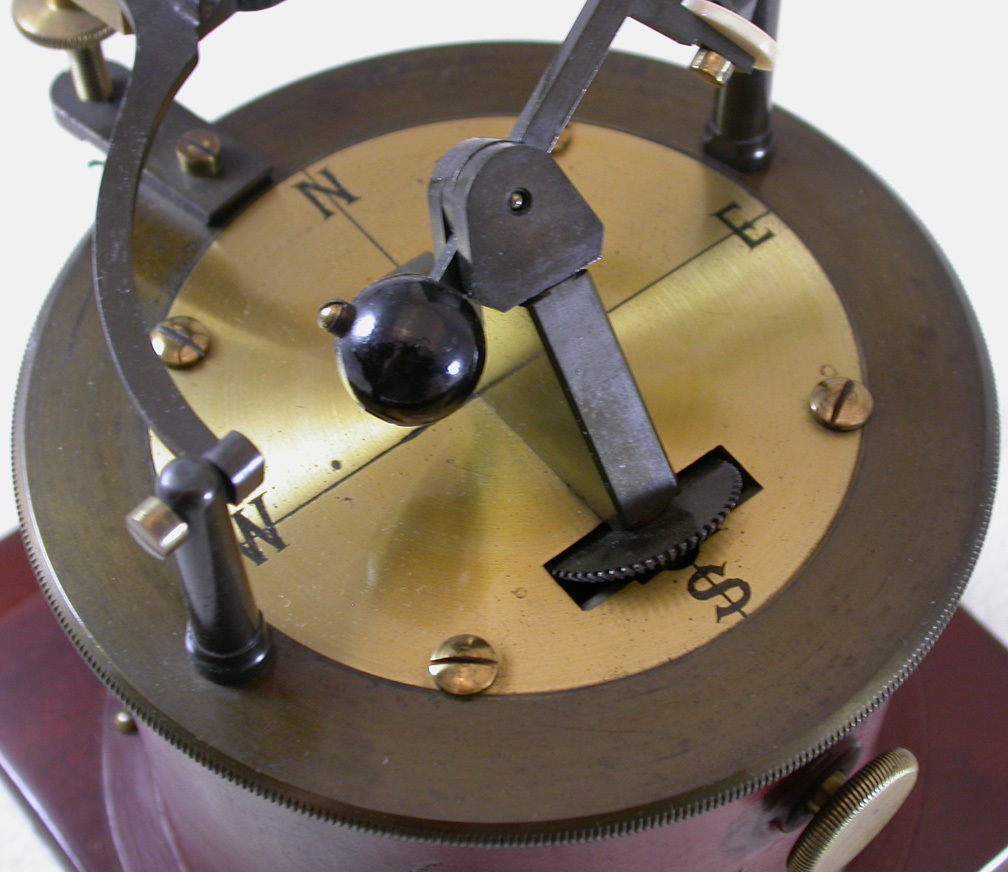 Harvey8 Gambey Spin/Tilt Stoney North |
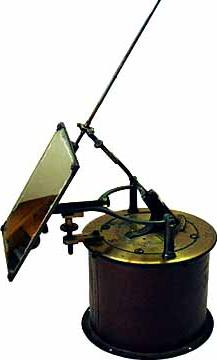 Yeates1 Gambey Spin/Tilt Stoney North Base missing |
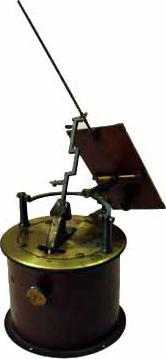 Yeates2 Gambey Spin/Tilt Stoney North Base missing |
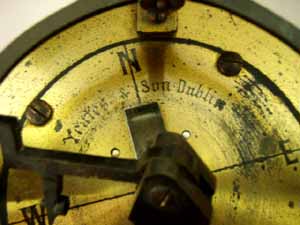 Yeates3 Gambey Spin/Tilt Stoney North |
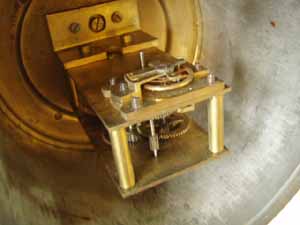 Yeates4 Gambey Spin/Tilt Stoney North |
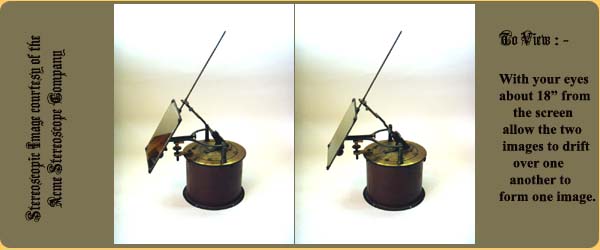 Yeates5re Stereo Gambey Spin/Tilt Stoney North Relaxed Eyes |
Yeates5ce Stereo Gambey Spin/Tilt Stoney North Crossed Eyes |
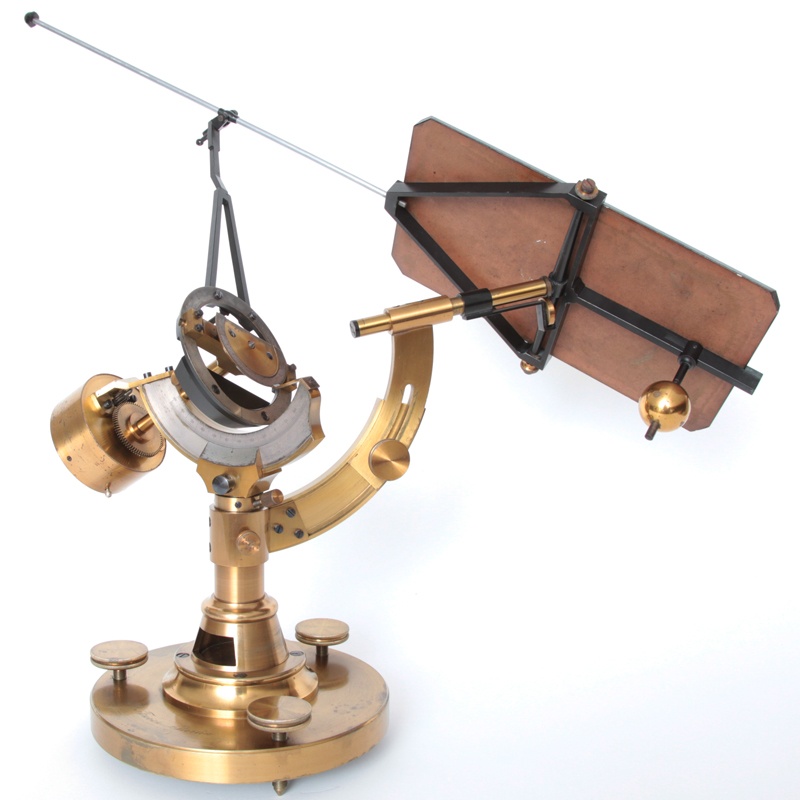 Fuess1 Gambey Spin/Tilt Fuess North |
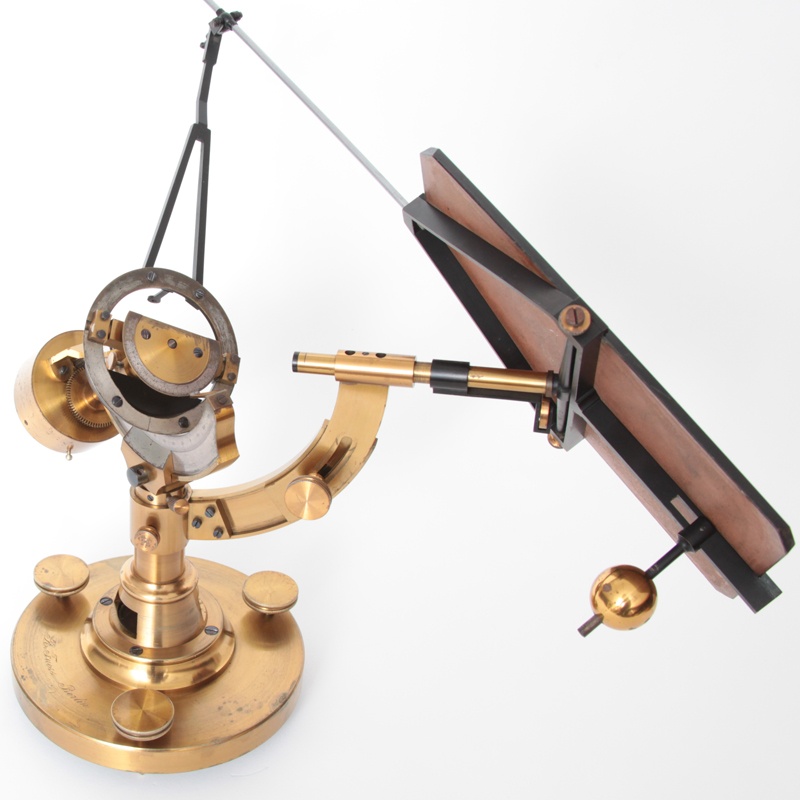 Fuess2 Gambey Spin/Tilt Fuess North |
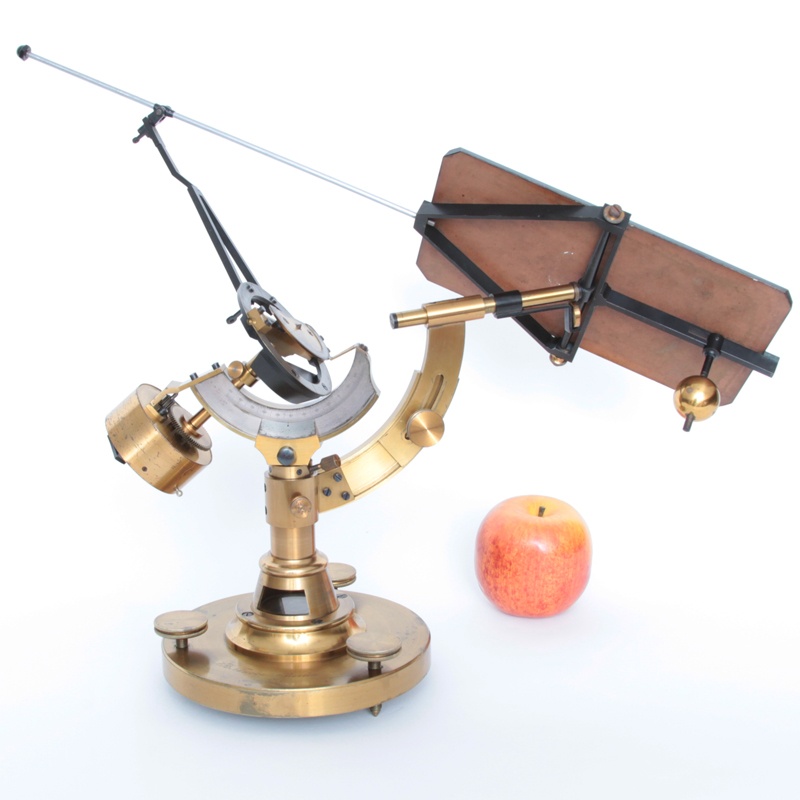 Fuess3 Gambey Spin/Tilt Fuess North |
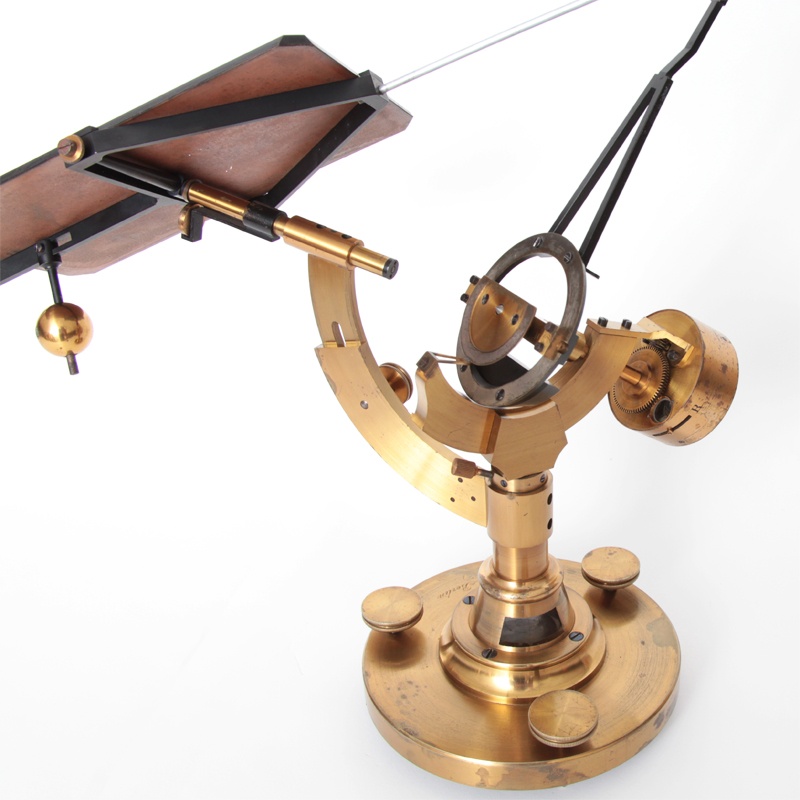 Fuess4 Gambey Spin/Tilt Fuess North |
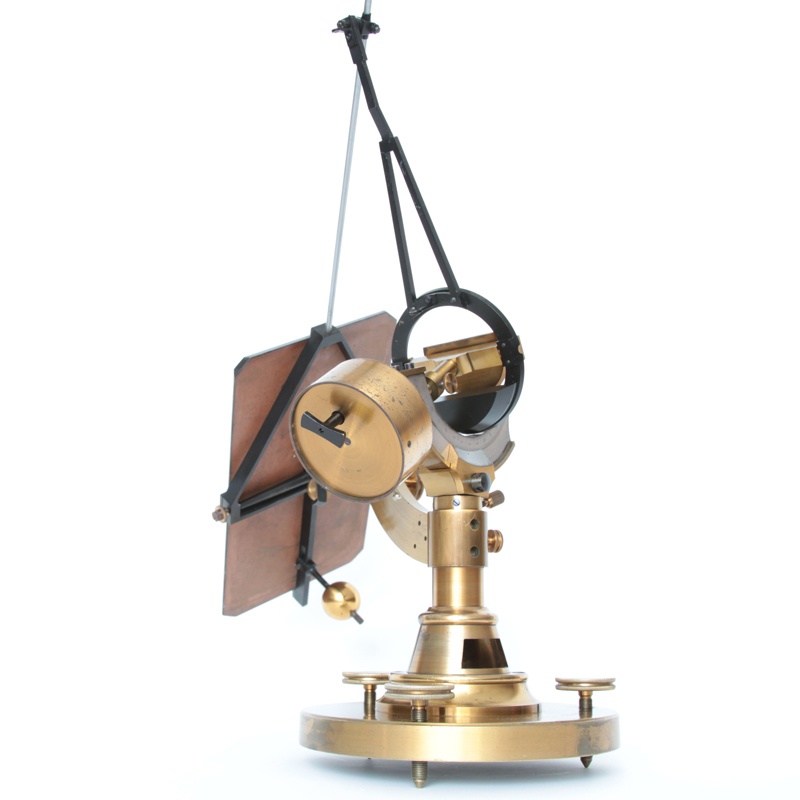 Fuess5 Gambey Spin/Tilt Fuess North Folded |
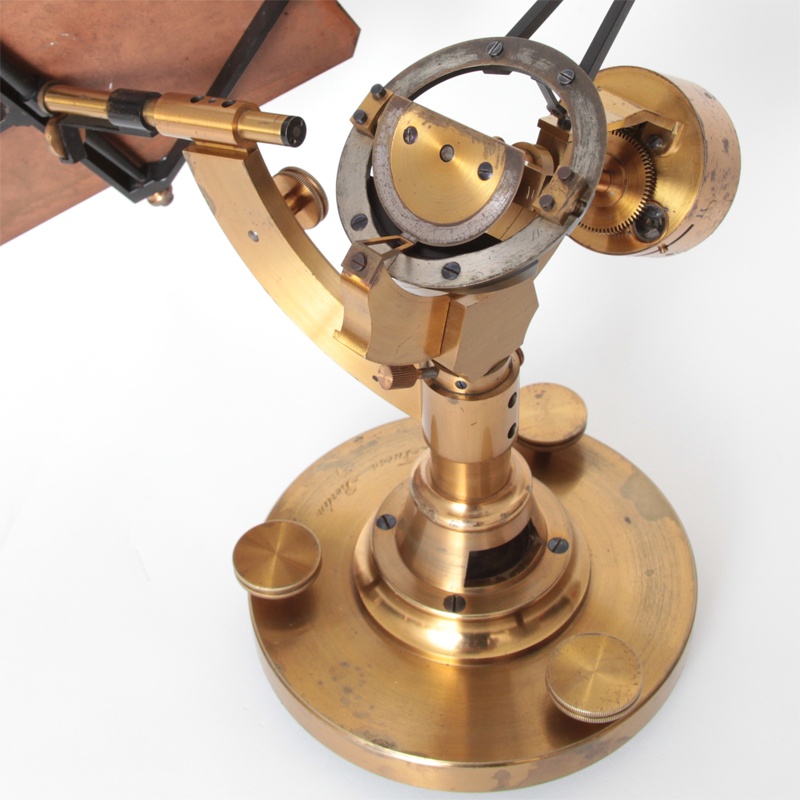 Fuess6 Gambey Spin/Tilt Fuess North |
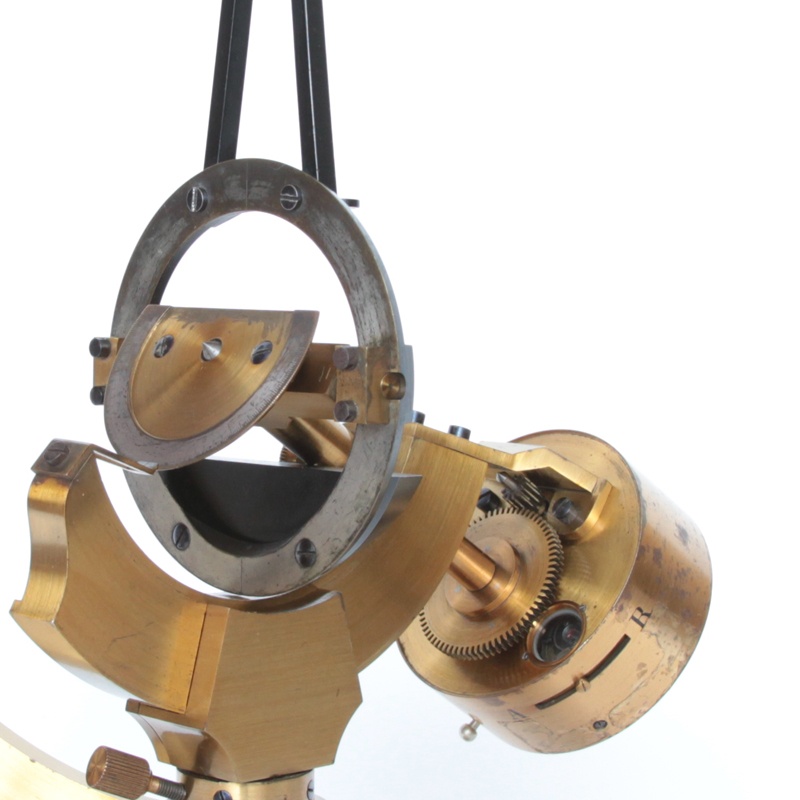 Fuess7 Gambey Spin/Tilt Fuess North |
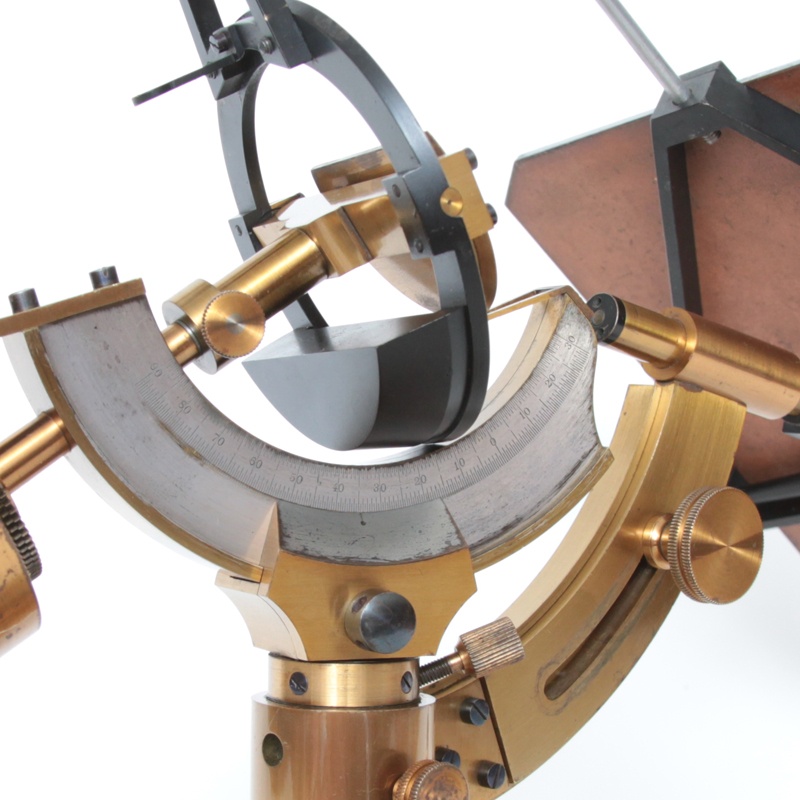 Fuess8 Gambey Spin/Tilt Fuess North |
|
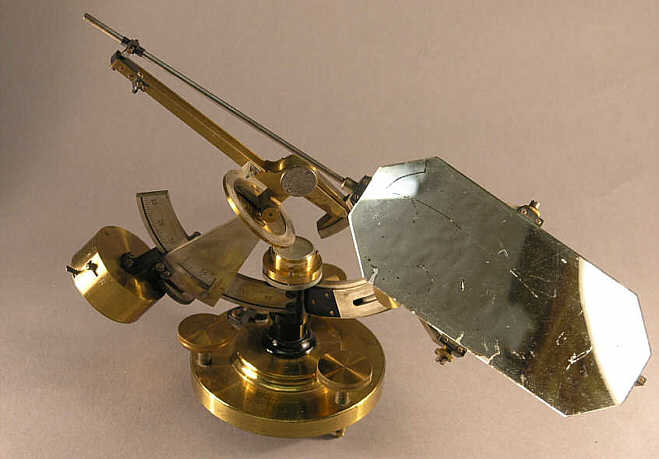 Fuess10 Gambey Spin/Tilt Fuess North Improved |
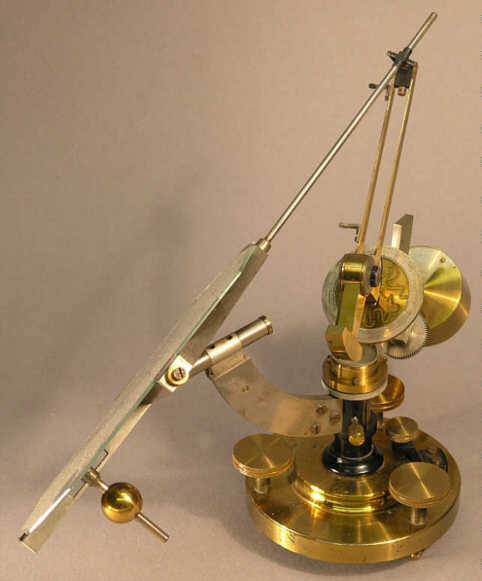 Fuess11 Gambey Spin/Tilt Fuess North Improved |
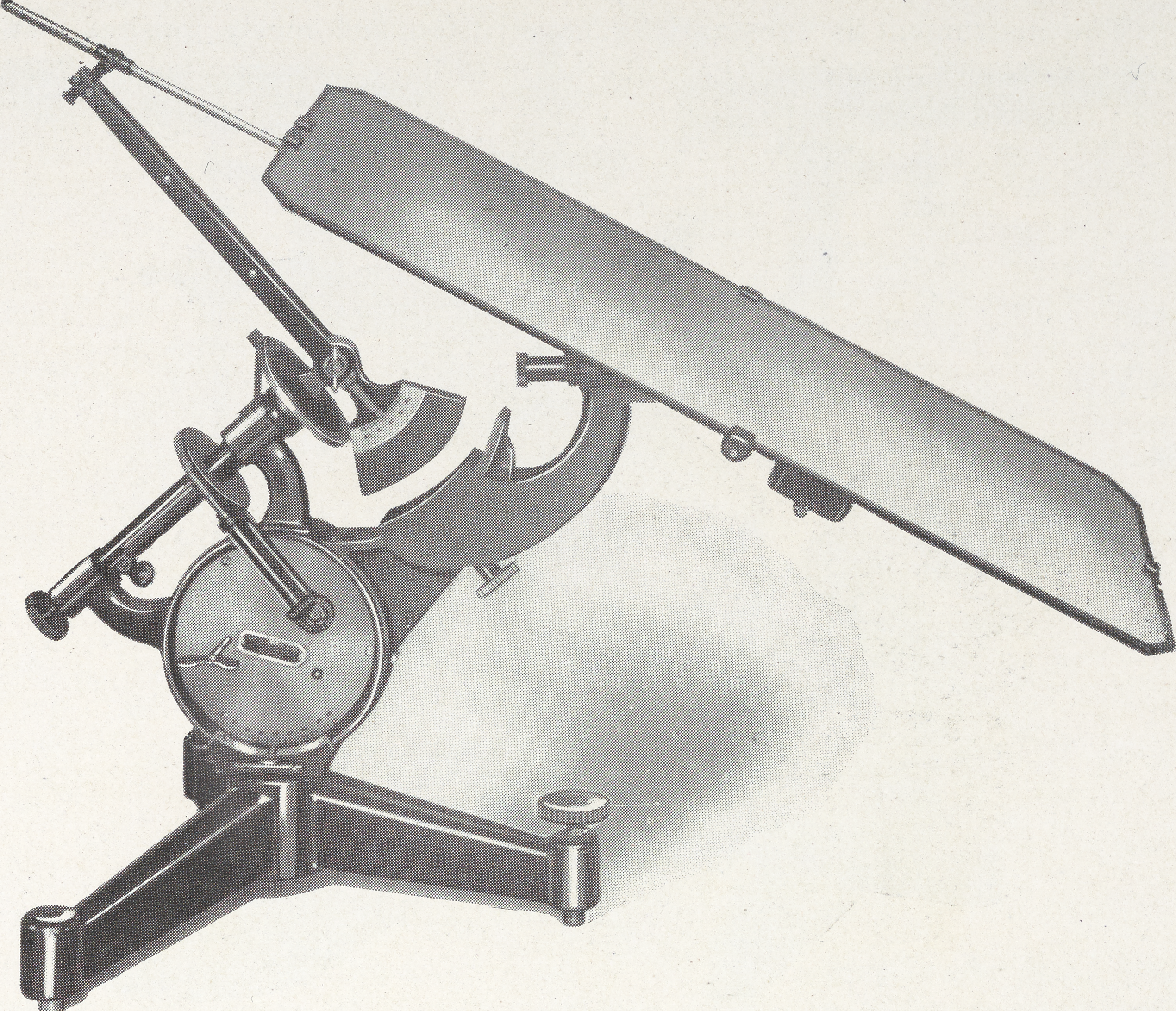 Gertner1 Gambey Spin/Tilt Gertner North |
 Silbermann13 Silbermann Spin/Tilt |
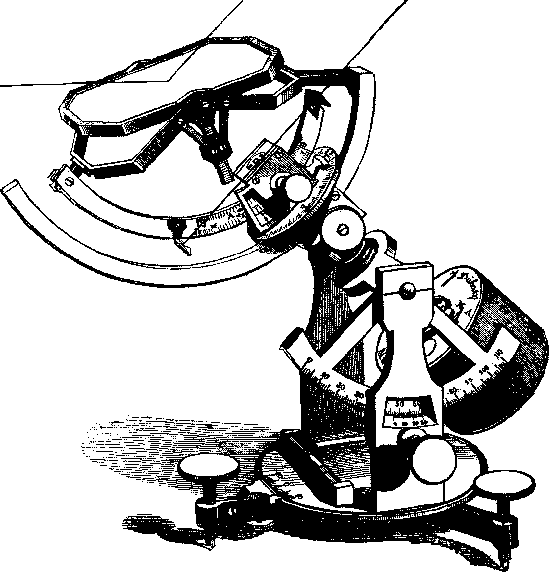 Silbermann12 Silbermann Spin/Tilt |
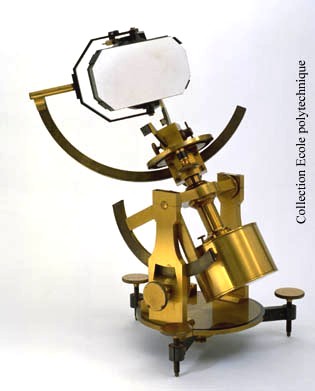 Silbermann1 Silbermann Spin/Tilt |
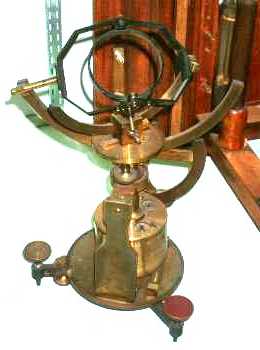 Silbermann3 Silbermann Spin/Tilt |
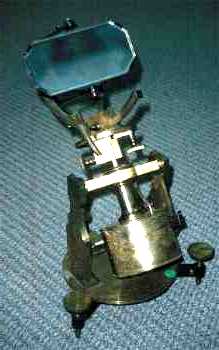 Silbermann4 Silbermann Spin/Tilt |
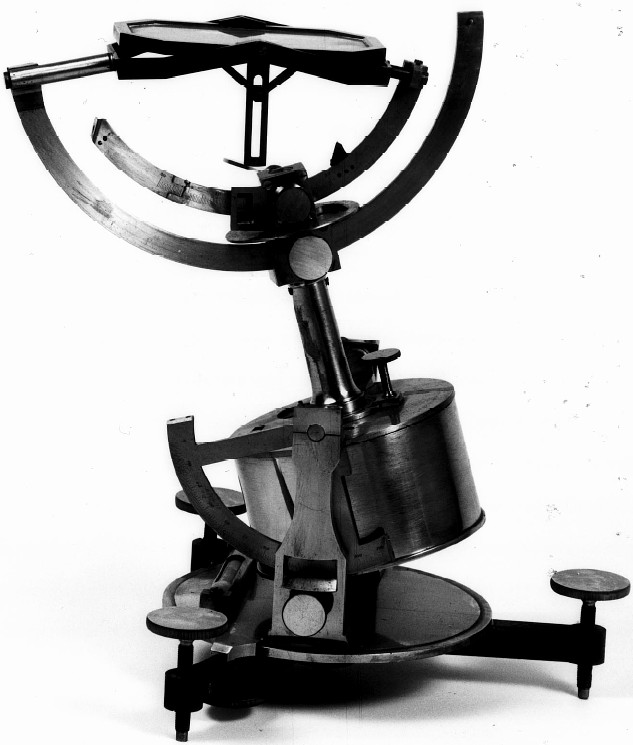 Silbermann6 Silbermann Spin/Tilt |
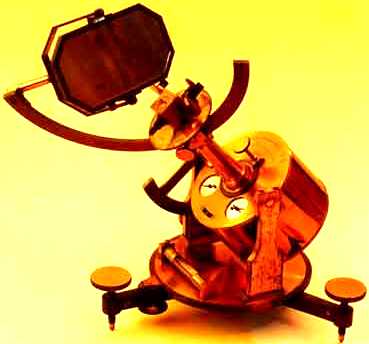 Silbermann7 Silbermann Spin/Tilt Parts missing |
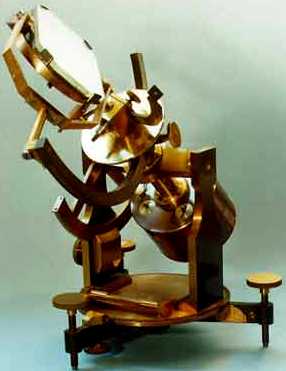 Silbermann9 Silbermann Spin/Tilt |
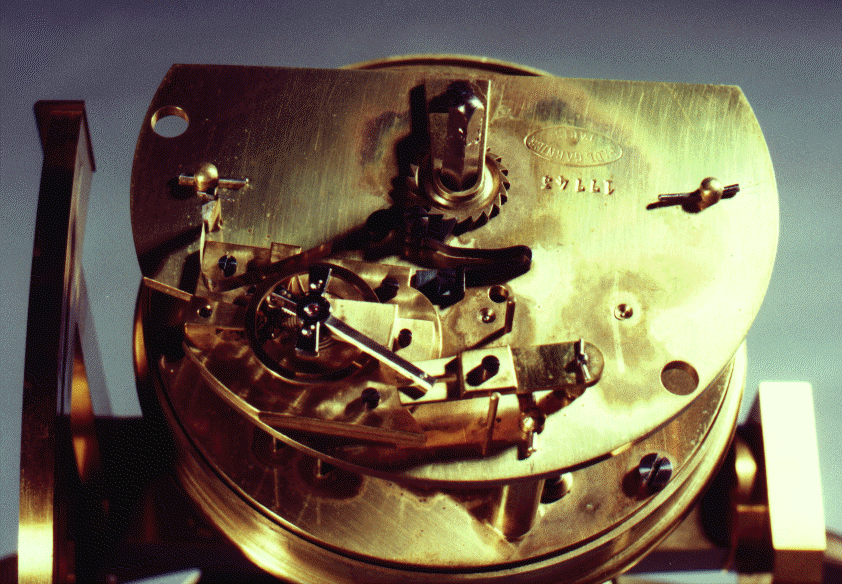 Silbermann10 Silbermann Spin/Tilt |
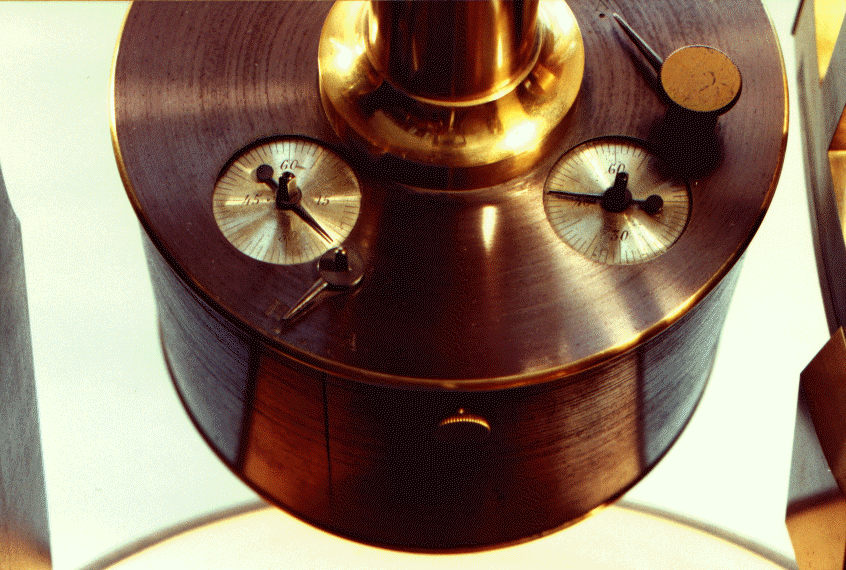 Silbermann11 Silbermann Spin/Tilt |
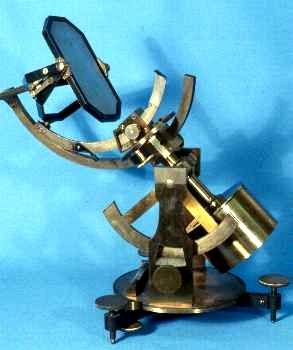 Silbermann2 Silbermann Spin/Tilt |
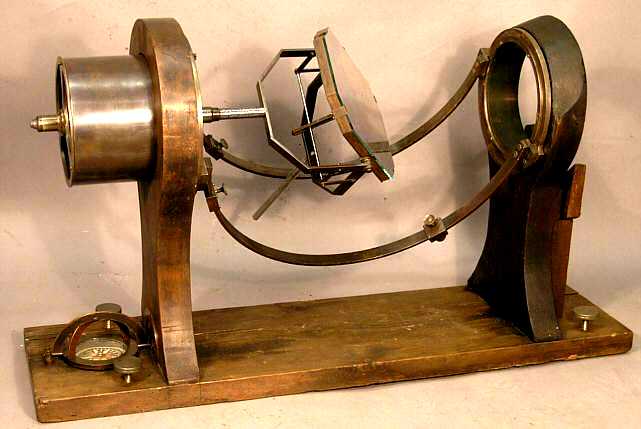 Browning1 Silbermann Spin/Tilt |
 Duboscq01 Silbermann Spin/Tilt |
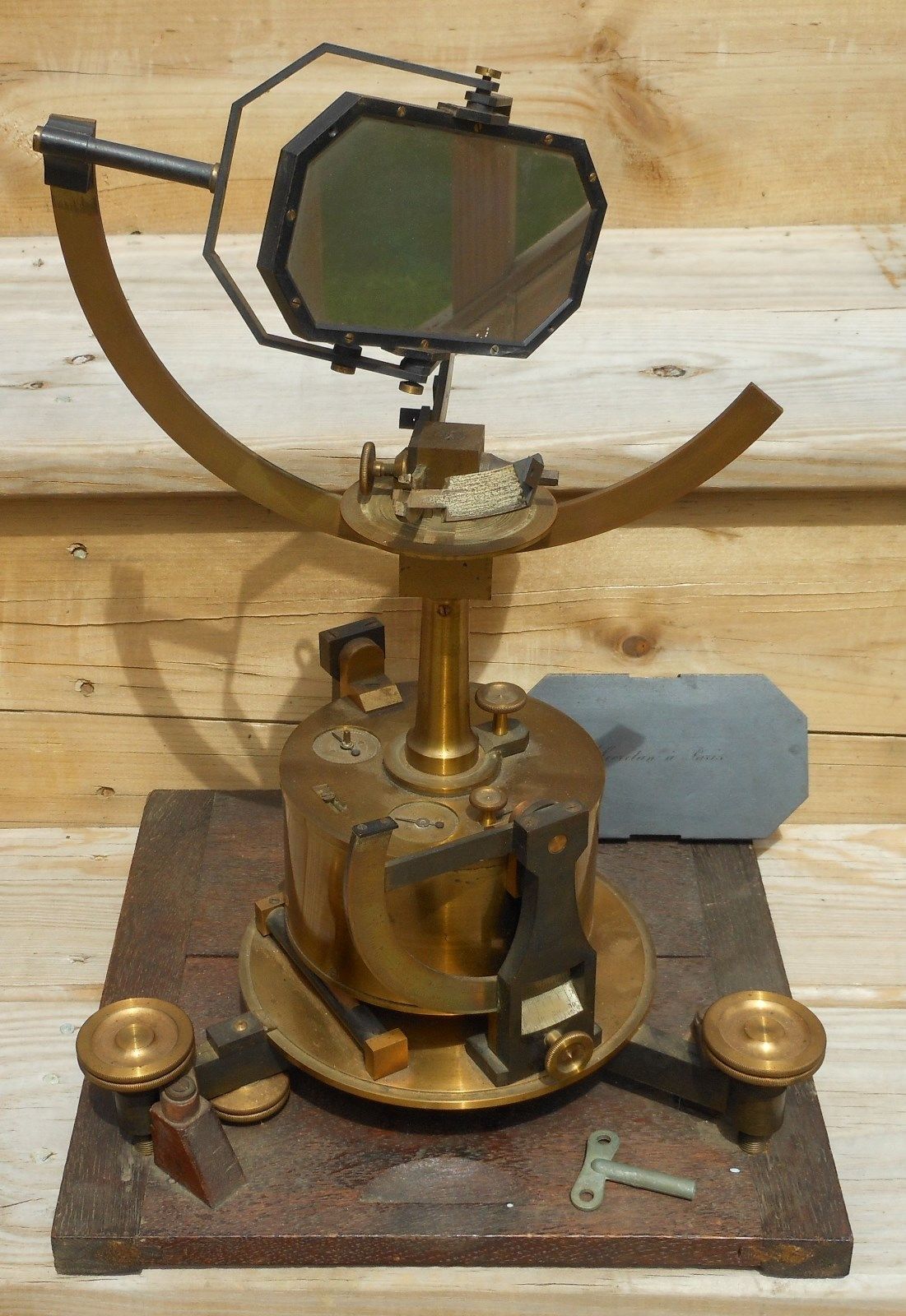 Duboscq02 Silbermann Spin/Tilt |
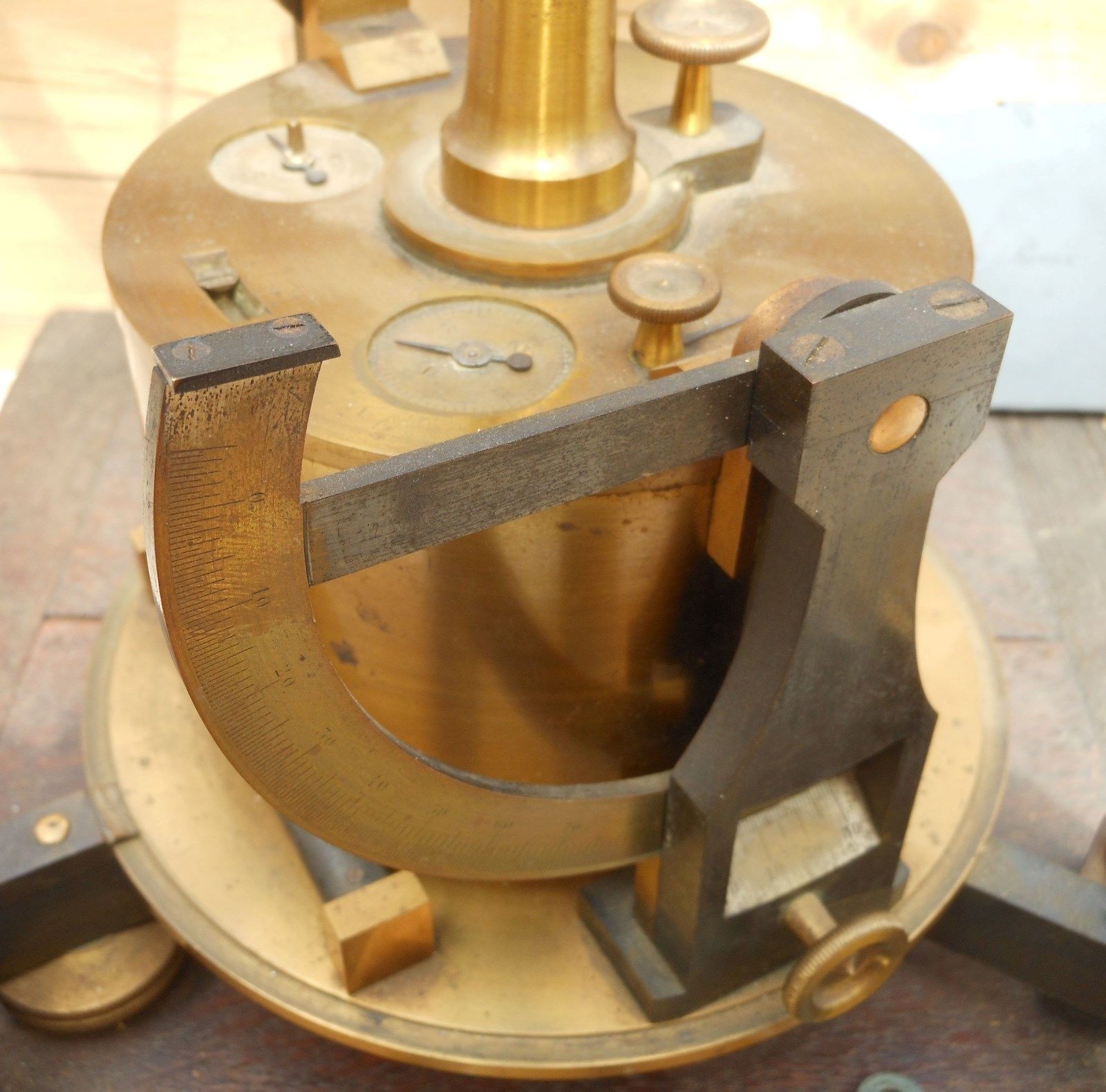 Duboscq03 Silbermann Spin/Tilt |
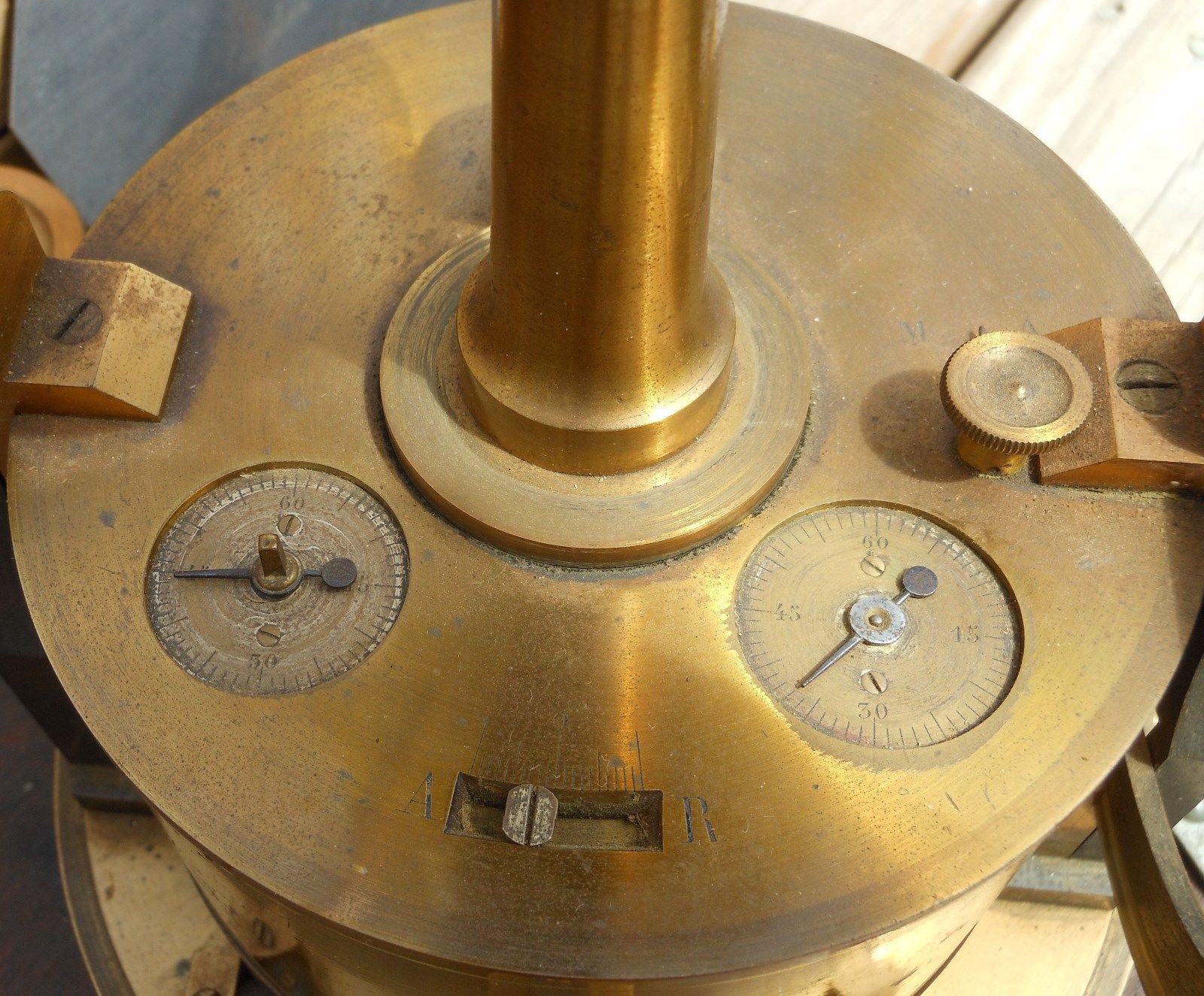 Duboscq04 Silbermann Spin/Tilt |
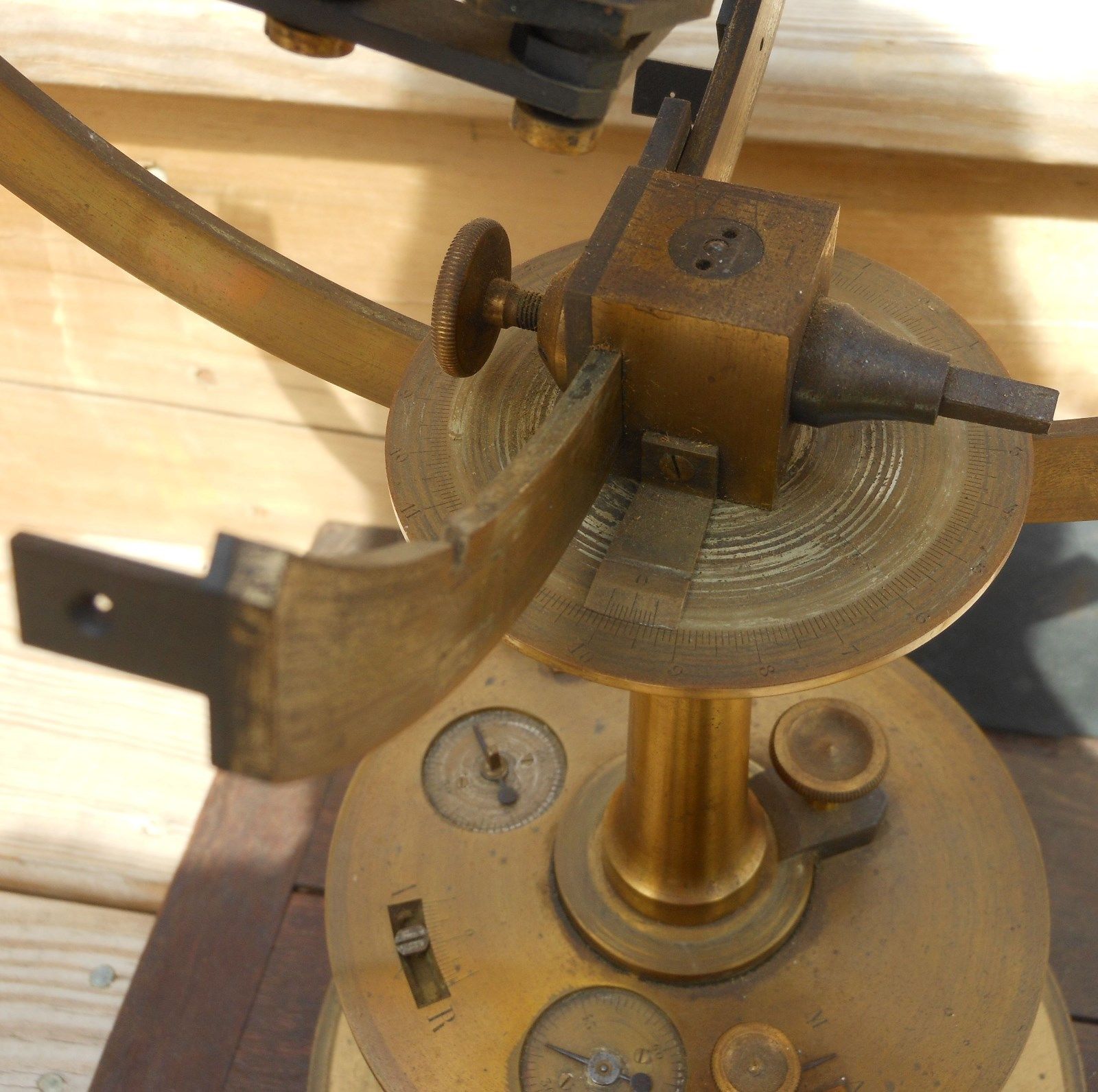 Duboscq05 Silbermann Spin/Tilt |
 Duboscq06 Silbermann Spin/Tilt Parts missing |
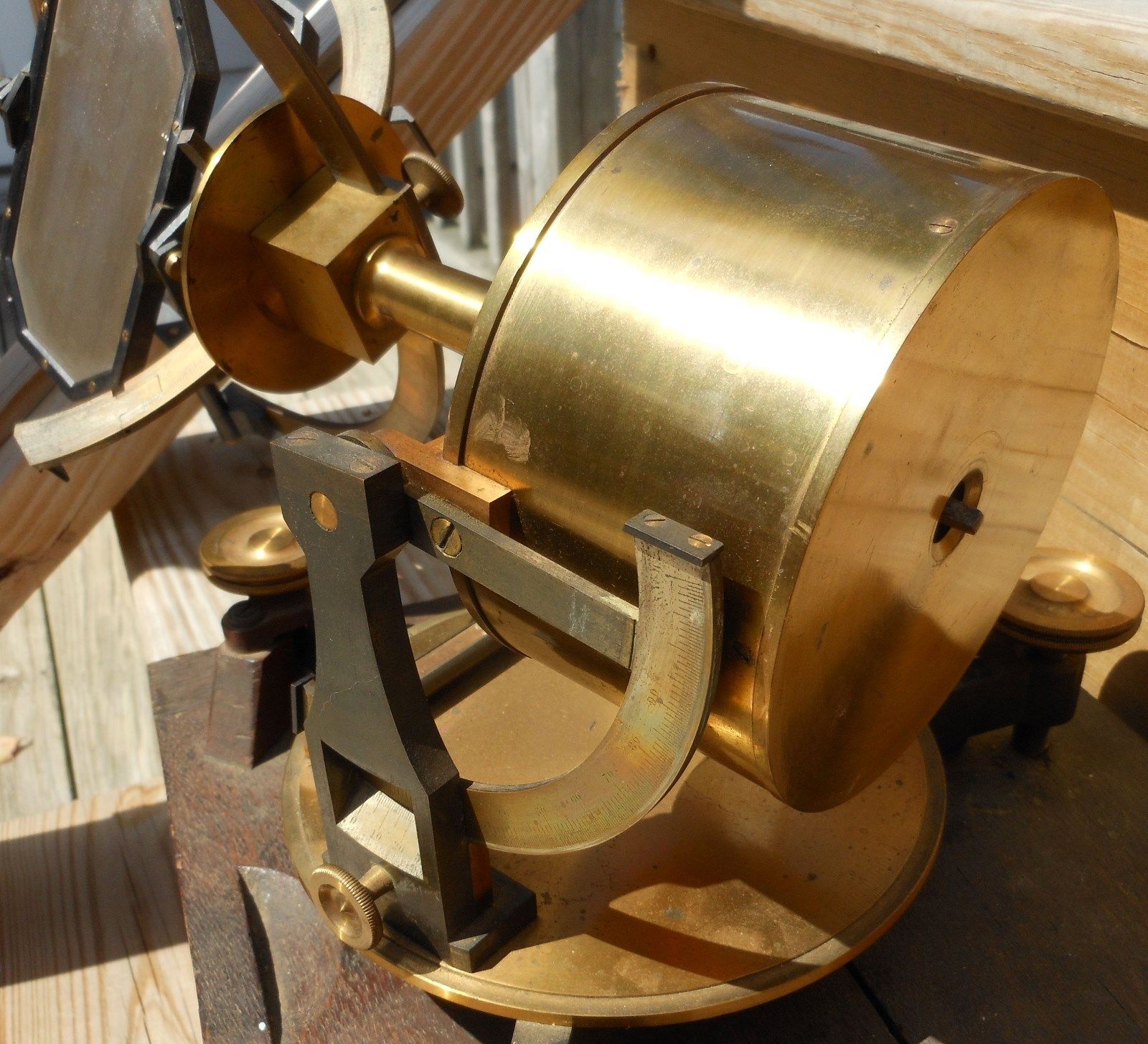 Duboscq07 Silbermann Spin/Tilt |
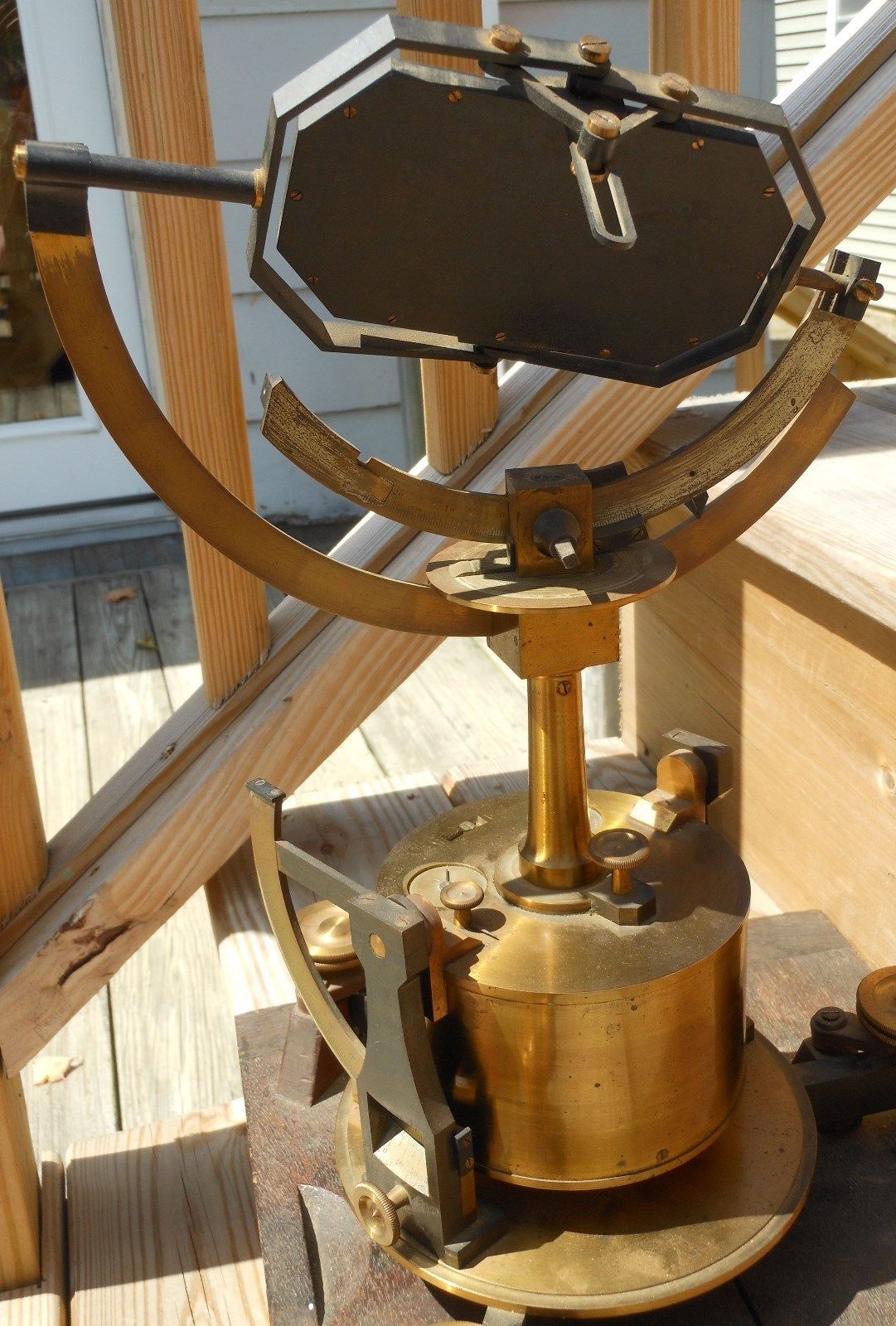 Duboscq08 Silbermann Spin/Tilt |
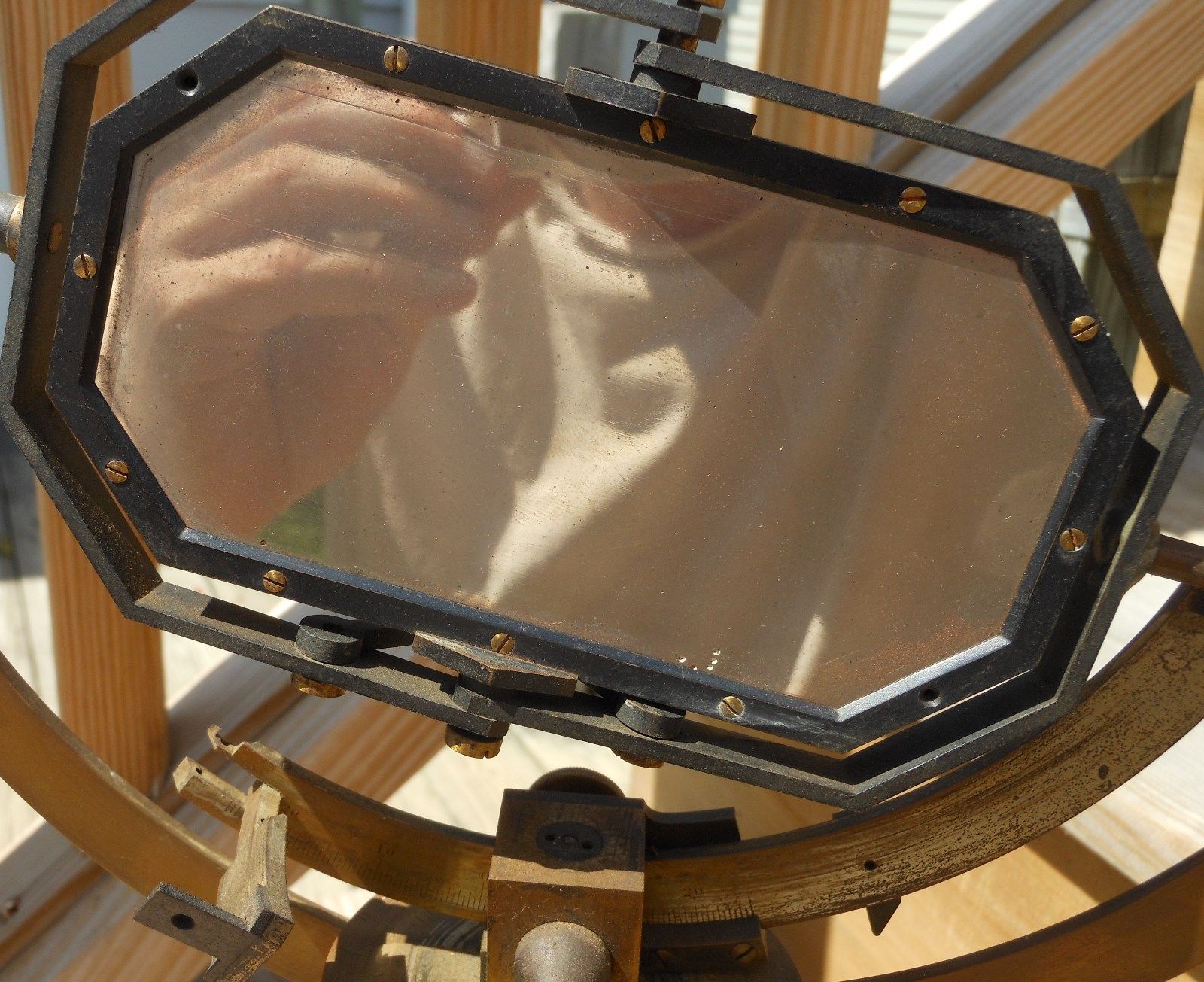 Duboscq09 Silbermann Spin/Tilt |
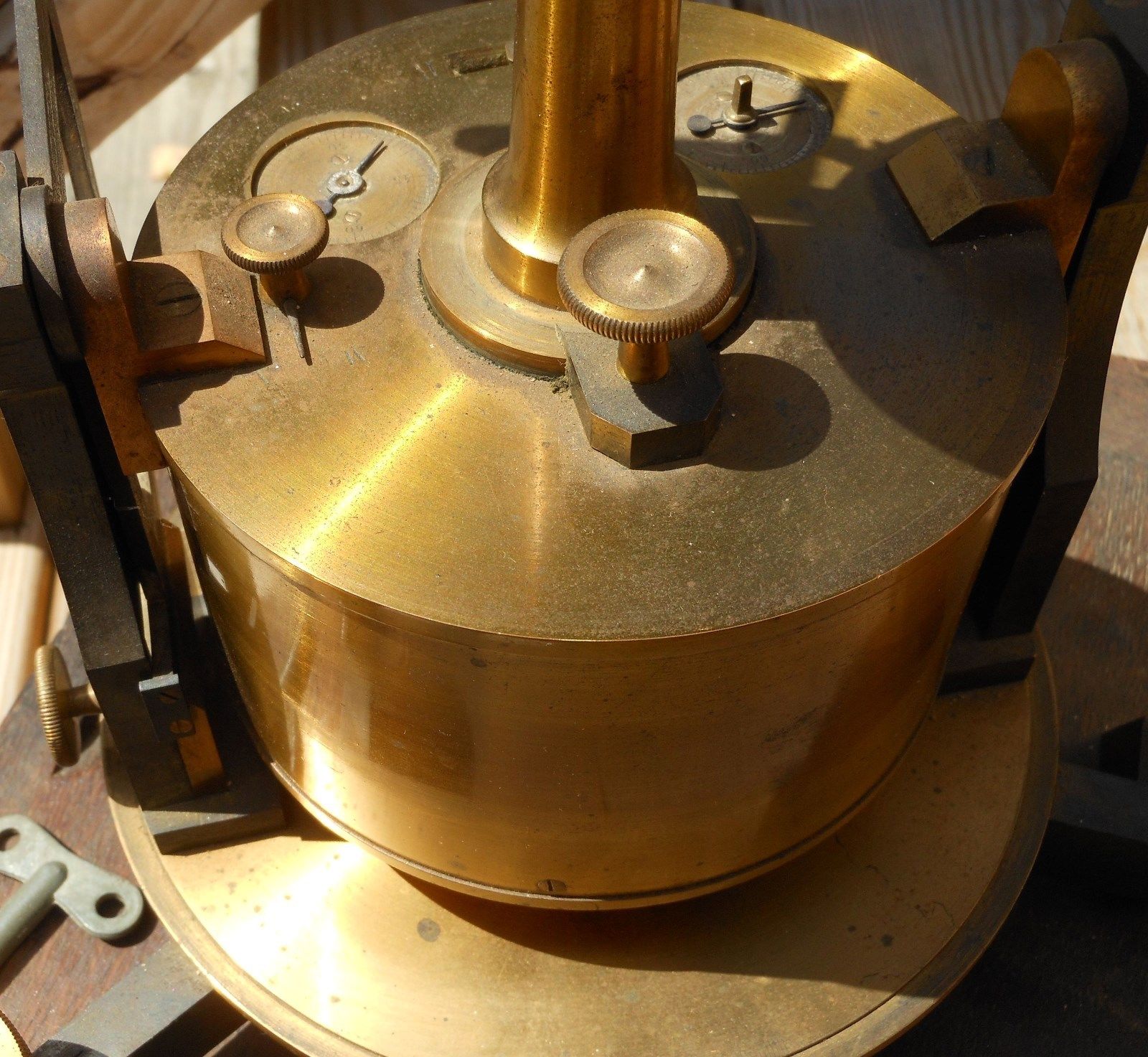 Duboscq10 Silbermann Spin/Tilt |
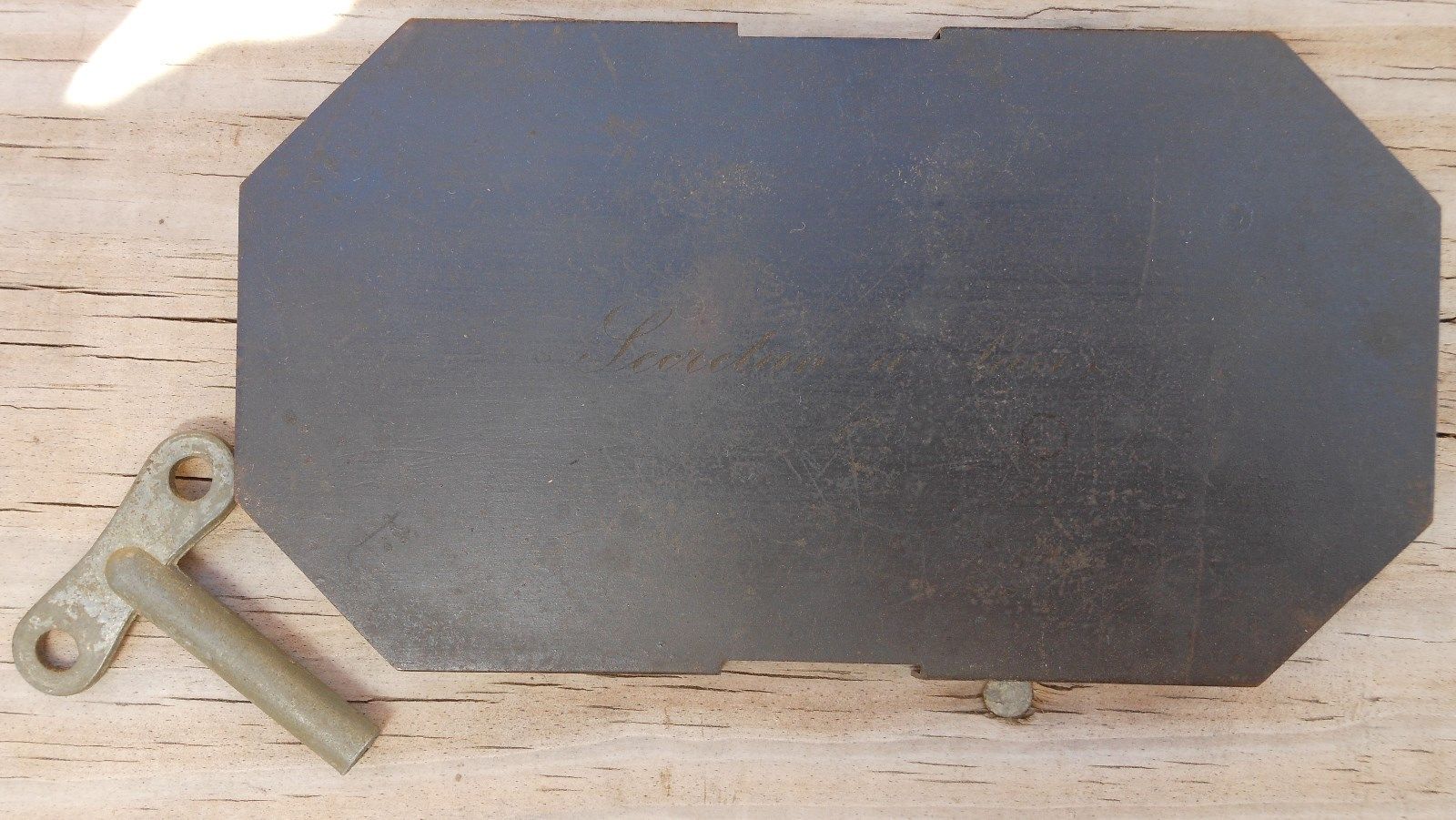 Duboscq11 Silbermann Spin/Tilt |
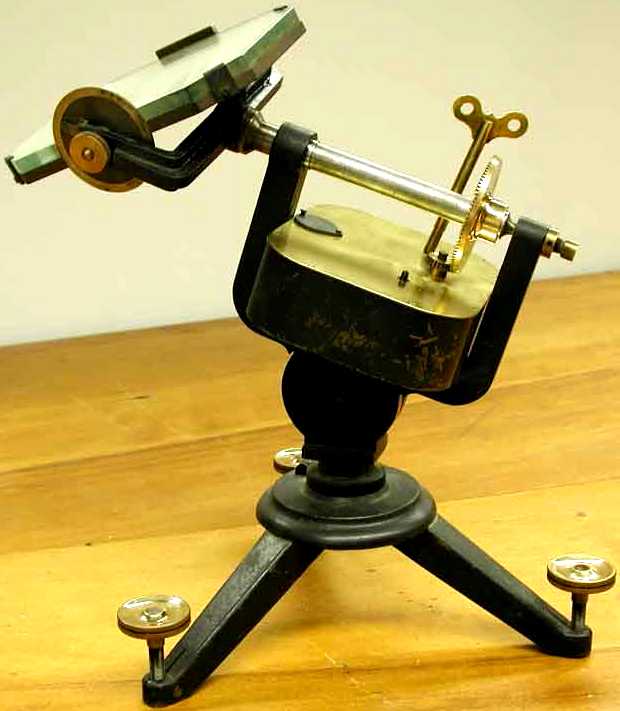 Brashear1 Coelostat Type 1 Secondary Mirror Missing |
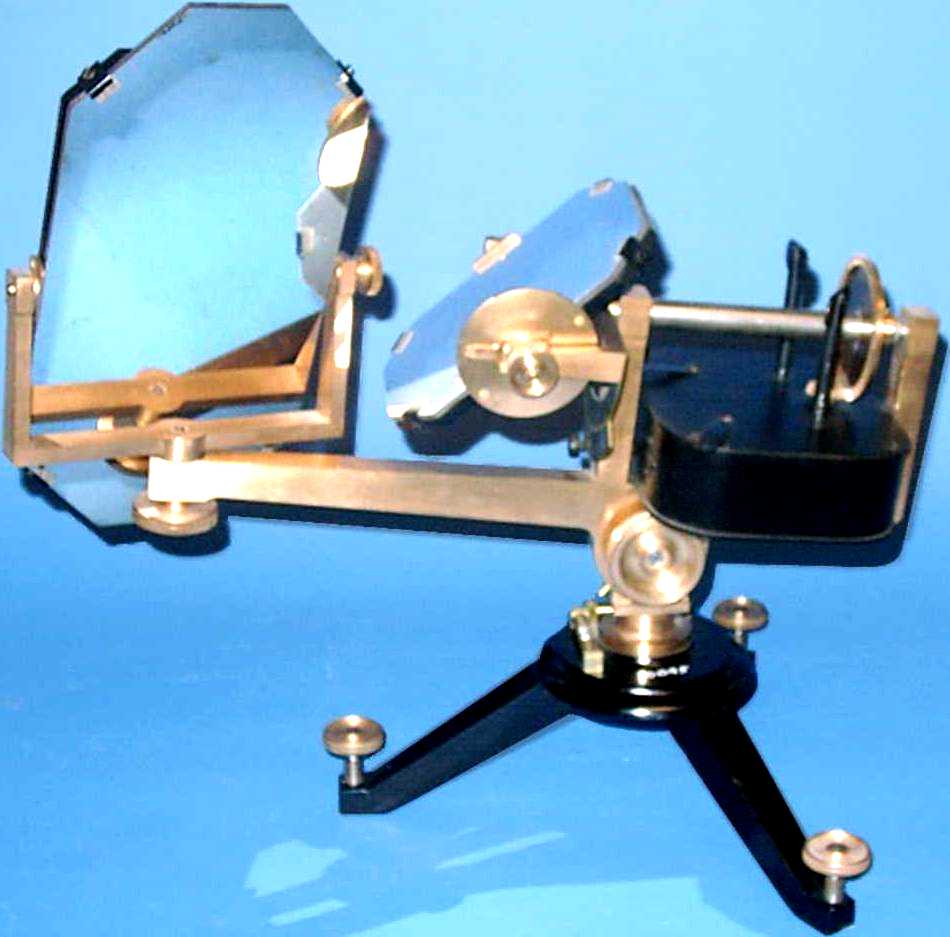 Brashear2 Coelostat Type 1 |
 Hilger1 Coelostat Type 1 Adam Hilger, London circa 1910 |
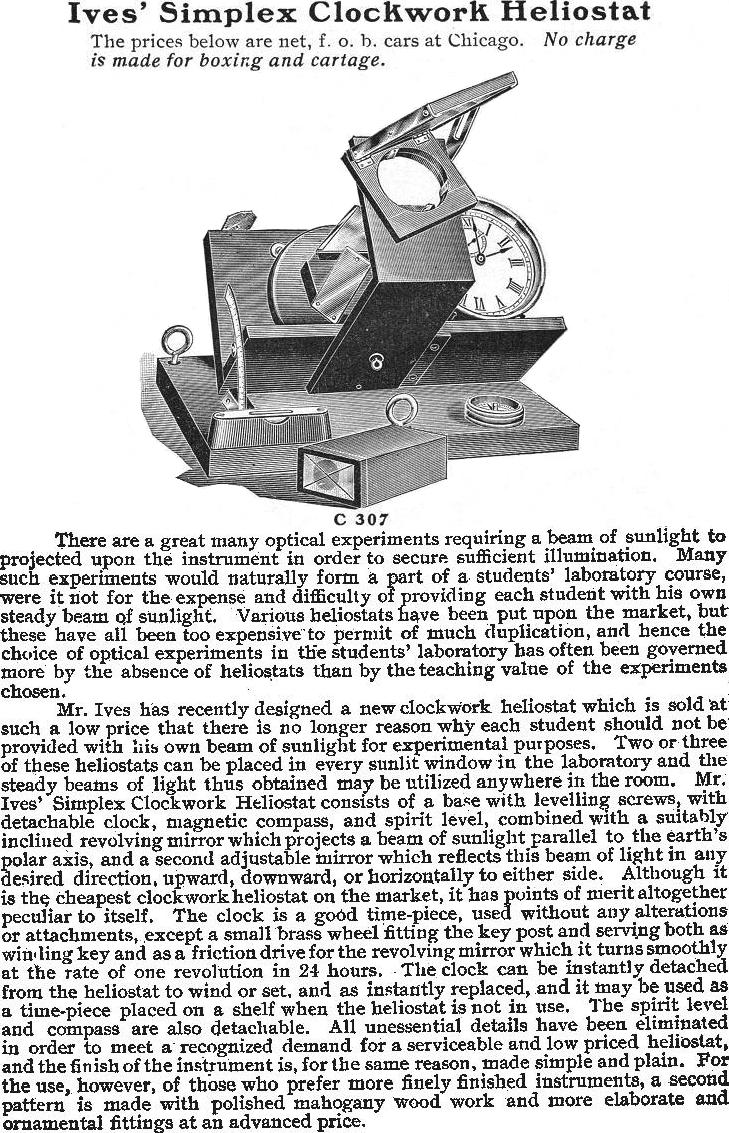 Ives1 Coelostat Type 1 |
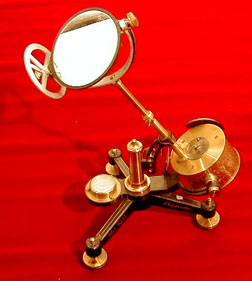 Max Kohl Chemnitz 1 Coelostat Type 1 Parts missing |
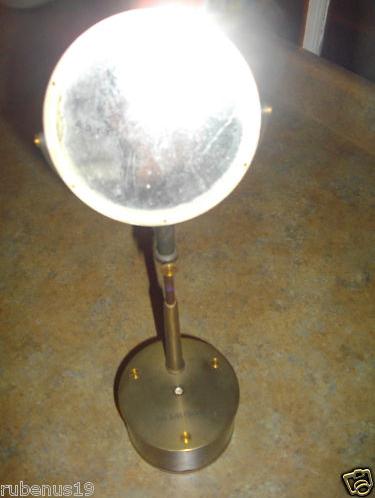 Max Kohl Chemnitz 2 Coelostat Type 1 Parts missing I own this one |
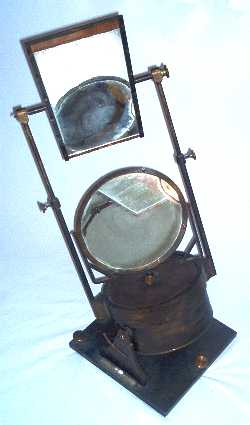 Ritchie1 Coelostat Type 1 |
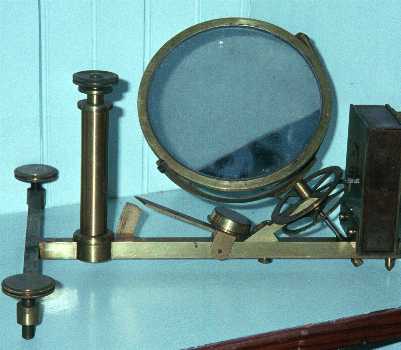 Transylvania1 Coelostat Type 1 |
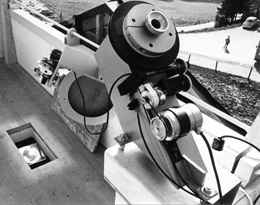 PolarCoelostat Coelostat Type 1 |
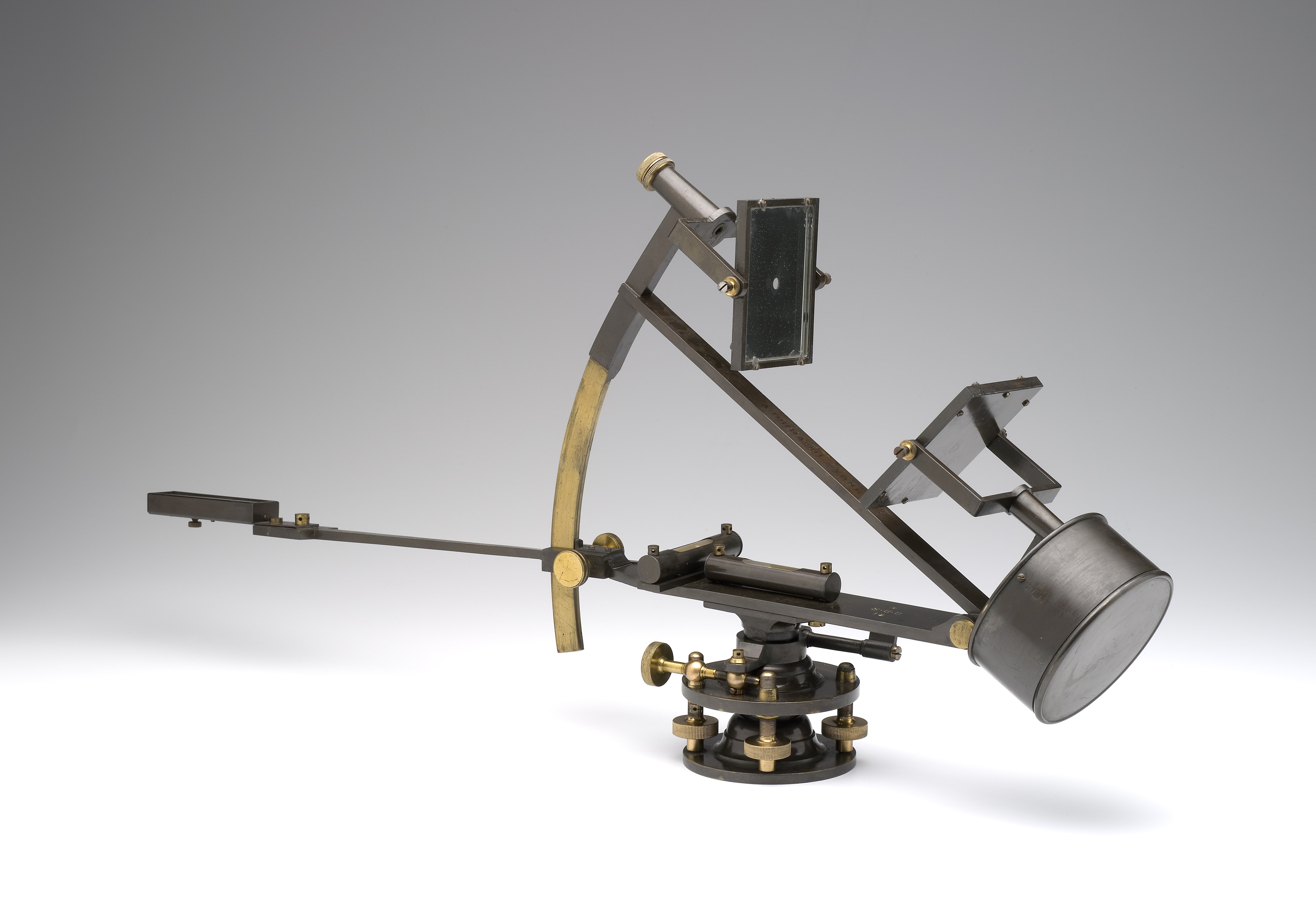 Tornaghi Coelostat Type 1 |
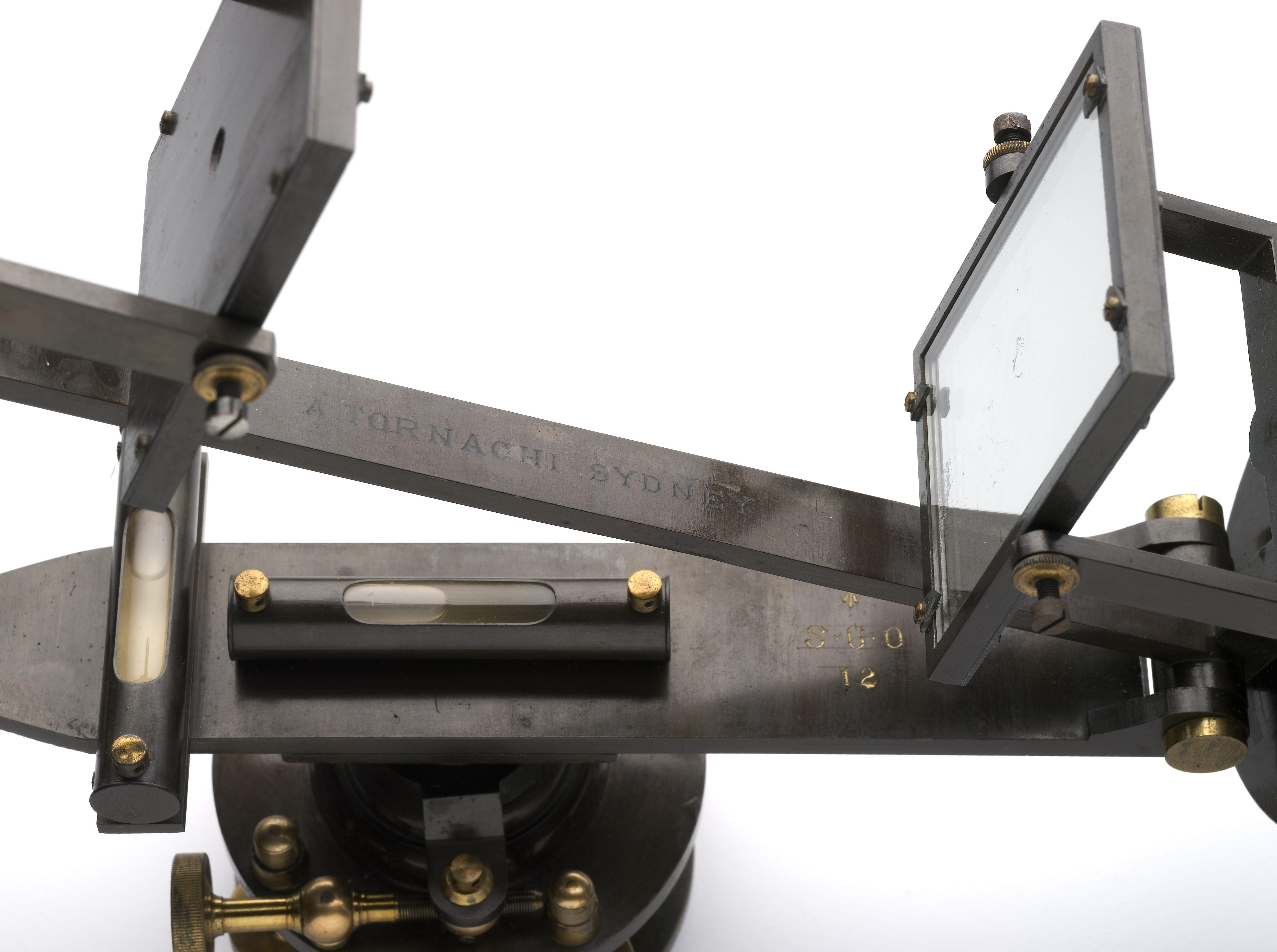 Tornaghi Coelostat Type 1 |
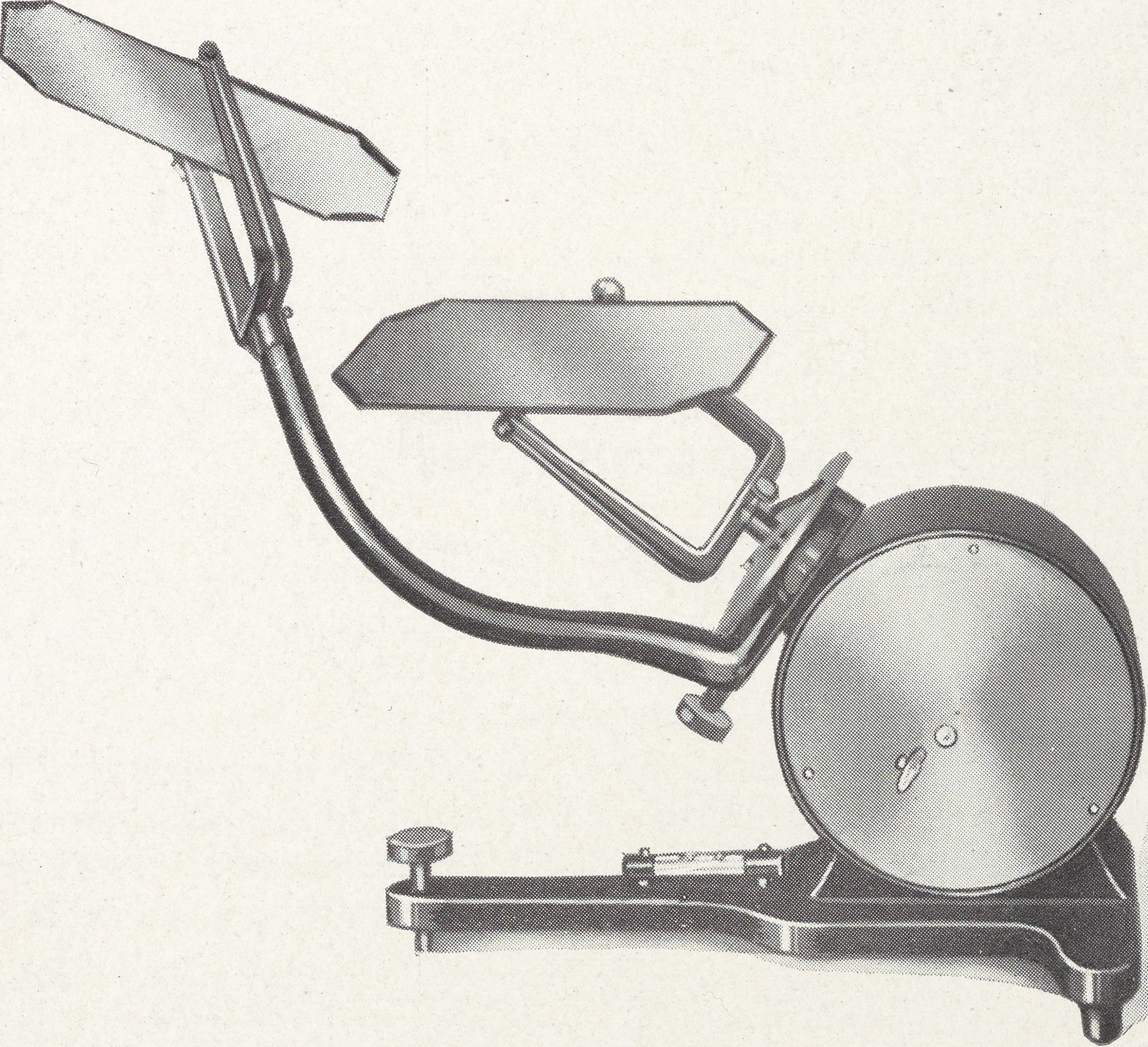 Gertner2 Coelostat Type 1 |
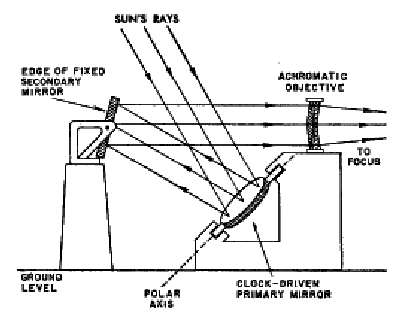
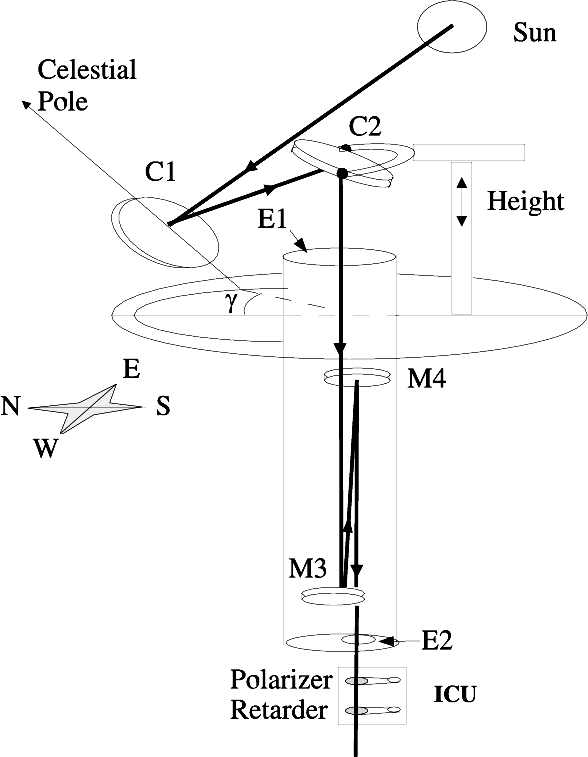
1. Rotate the main mirror once in 48 hours around the polar axis in Right Ascension.
2. The main mirror in not tilted at all. The plane of the mirror is parallel with the polar axis.
Sunlight is reflected away from the polar axis at an angle equal to the suns seasonal DEClination.
3. The secondary mirror is positioned to reflect light in any desired direction.
This mirror has a seasonal positional movement as well as a seasonal tilt.
(Note! The diagram says the secondary is fixed but it isn't.
It must tilt a bit depending on how far the primary mirror's base has moved.
Either the main or secondary mirror mount must be moved to adjust the geometry seasonally.)
4. The primary mirror has a width of about 1.1 times as wide as the desired beam width.
The width of the secondary mirror is similar in width but is also dependent on the direction where the light is sent.
5. In general, the output beam is best sent to the South, (in the northern hemisphere).
6. Note! It's possible to operate with the primary mirror alone where a telescope is, itself, aimed at the rotating mirror.
It's a bit simpler to mount the primary mirror as it doesn't need to be on rails.
 Coelostat2 Coelostat Type 2 Horizontal output |
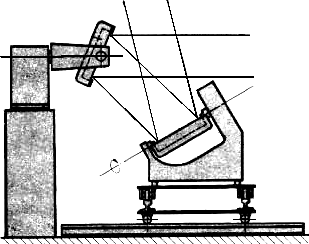
 Coelostatmg18 Coelostat Type 2 Vertical output |
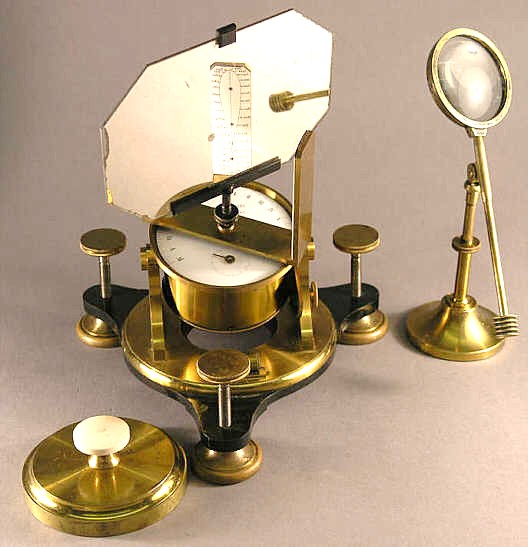
 Baidu1 Coelostat Type 2 Horizontal output |
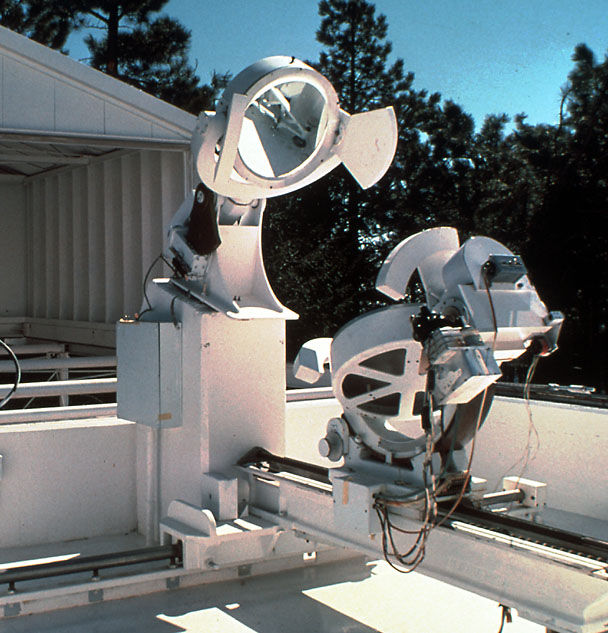
 Prazmouski Coelostat Type 2 |
 Coelostatnsosp2 Coelostat Type 2 |
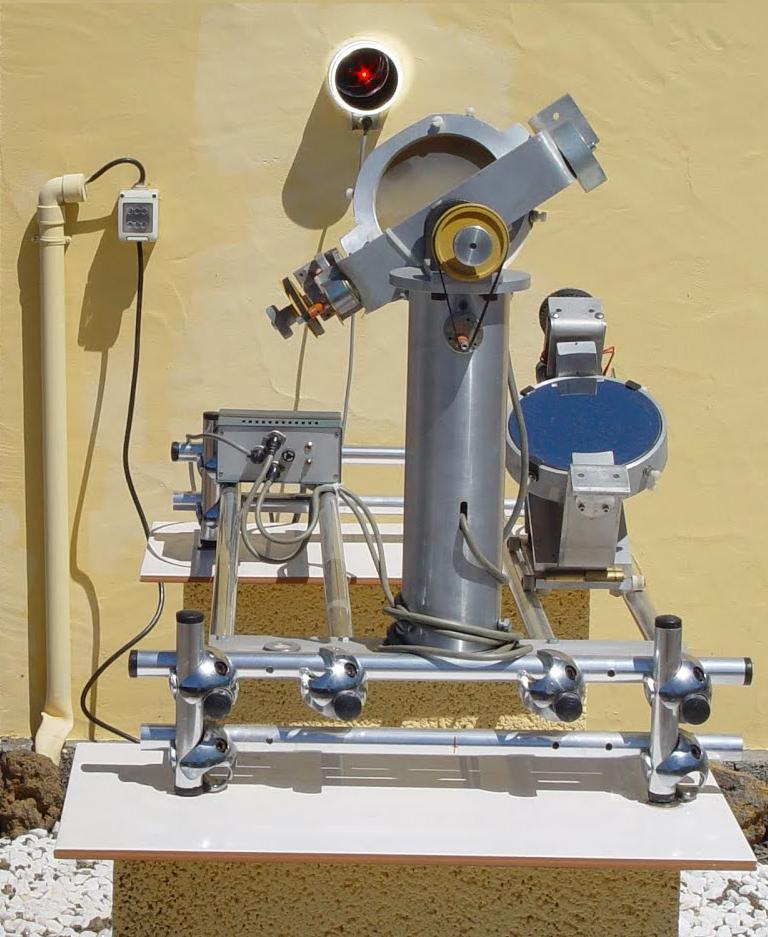 Astropalma1 Coelostat Type 2 |
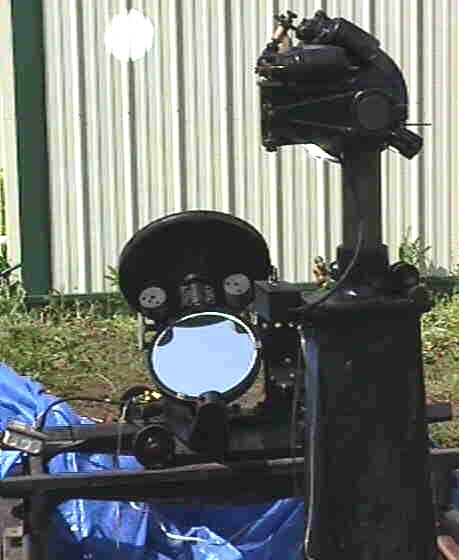 Sirius1 Coelostat Type 2 |
 helliostatcoelostatmay1 Coelostat Type 3 |
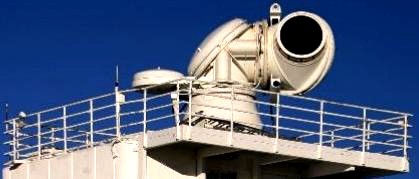 heliostatcoelostatsonnen1 Coelostat Type 3 |
tpole
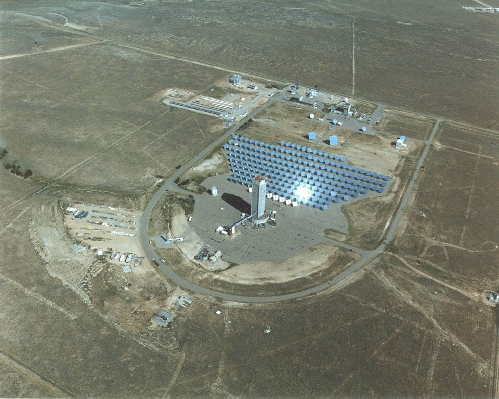 National Solar Thermal Test Facility (T Pole Design)
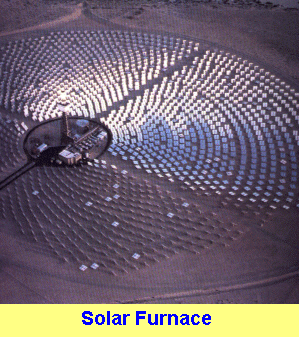 Solar II Central Receiver (T Pole Design)
esolar
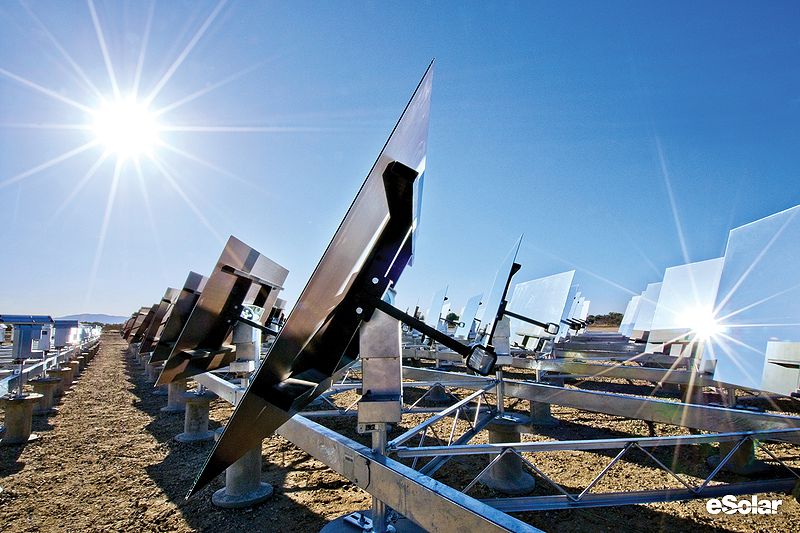 ESolar Central Receiver (T Pole Design)
practicalsolar
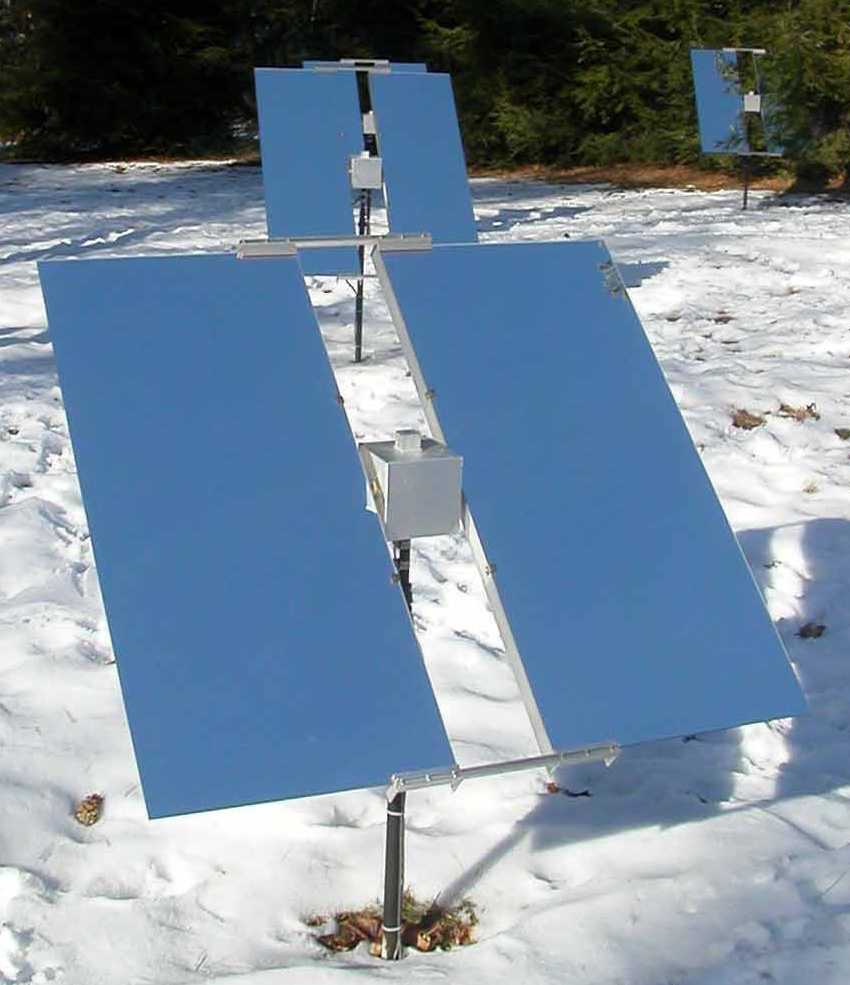 Practical Solar, Inc. (T Pole Design)
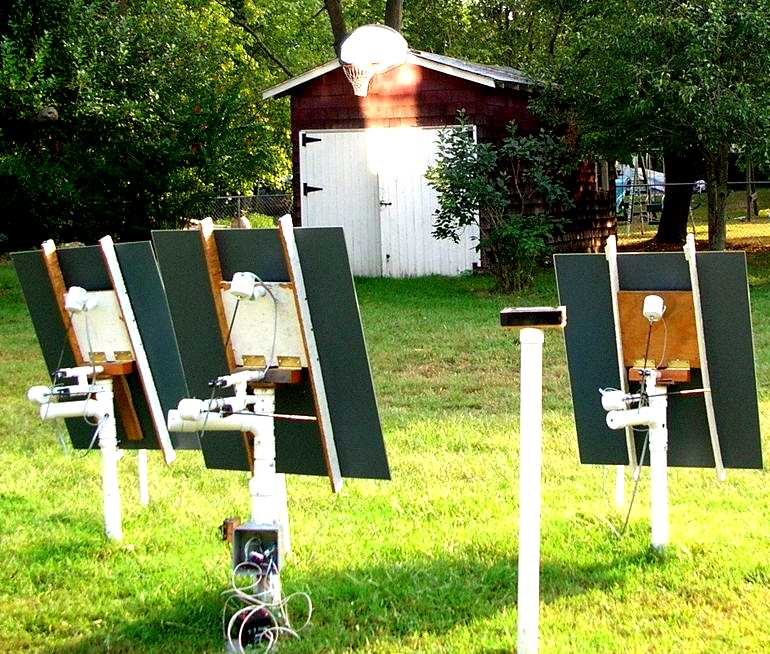
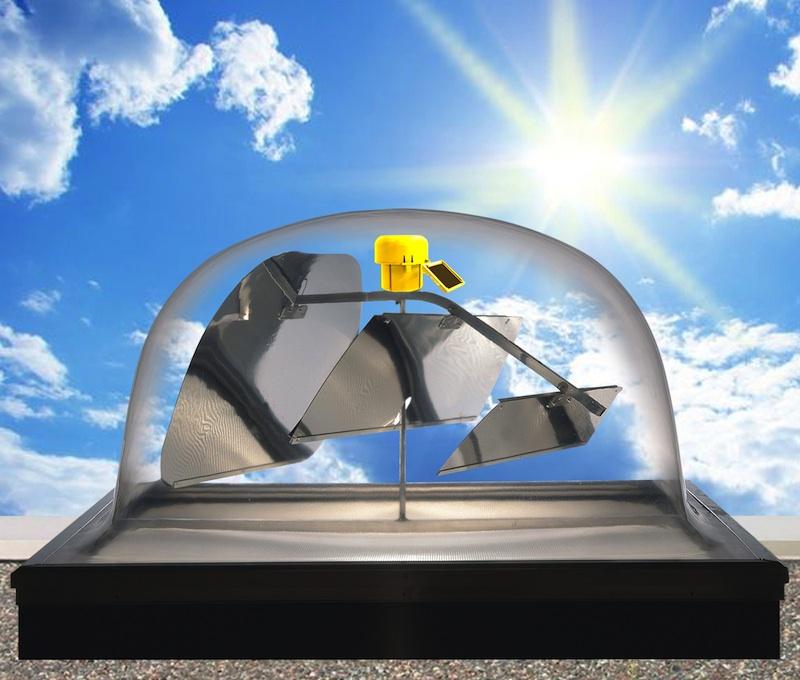
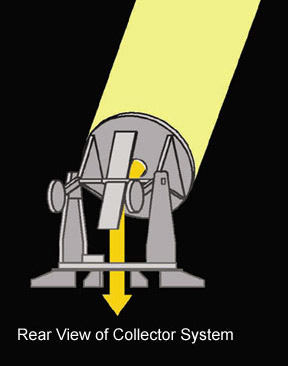
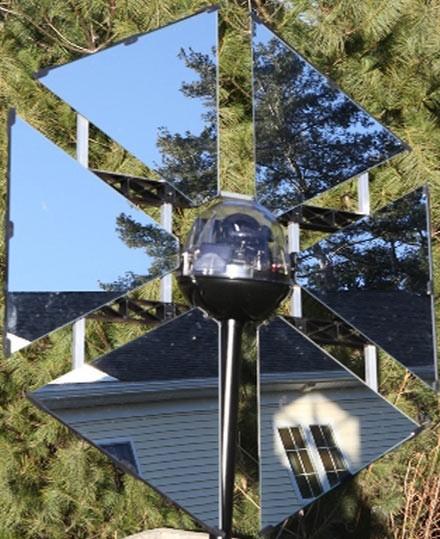
I own a set of 10 of these I got on ebay from Light Manufacturing.
They have a new multiple heliostat design. Take a look!!!!
I don't think I would call the new design a T Pole though.
lfr
singleaxisheliostat1
"Linear Fresnel Reflectors", LFRs, are, in general, long Mirror Slats oriented in the North/South direction with Linear receivers, also generally, oriented in the North/South direction, (but not always). They are tracked in only 1 axis, and since they are Heliostats they move at 1/2 the speed of the Sun.
This is an example of a "Single Axis Heliostat".
This concentrator IS a form of heliostat as it fits the definition of a heliostat.
1. It redirects the light to a stationary target.
2. The geometry changes throughout the day.
3. And is aimed at the bisector angle.
1. One basic characteristic is the length of the receiver is oriented "Parallel" to the mirror slat rotation axis. While being parallel is desirable it's not a requirement:
Technically, the centric axis of all the mirror slats and the receiver must radiate from a common point. Parallel lines do this assuming the radiating point is at a great distance. Think of railroad tracks that appear to be converging on a distant point.
All examples I have found have the receiver oriented horizontally. This is also not a requirement for an LFR. If the radiating point is close and the receiver is higher than the horizontal slats the receiver must be oriented at an angle.
If that radiating point is much closer to the slats and receiver, instead of the slats being long rectangles, could be trapezoidal in shape. Clearly not parallel.
2. North/South axis LFRs is clearly the most efficient orientation, i.e. has the shortest slat length and operates for the largest portion of the day.
However, other orientations are possible for special applications. See Kaluta bellow:
3. As with all heliostats the angular motion of, after being initially aligned, all the elements is always the same. Therefore, only a single motor drive is required to drive all the mirror slats. Al least for the LFR.
The related device called a CLFR is slightly different. The motion of each slat is the same, but when a slat switches from one receiver to the other that angle of "SWITCHING MOVEMENT" is NOT the same as the other slats. This kind of complicates the slat driver mechanics.
kaluta
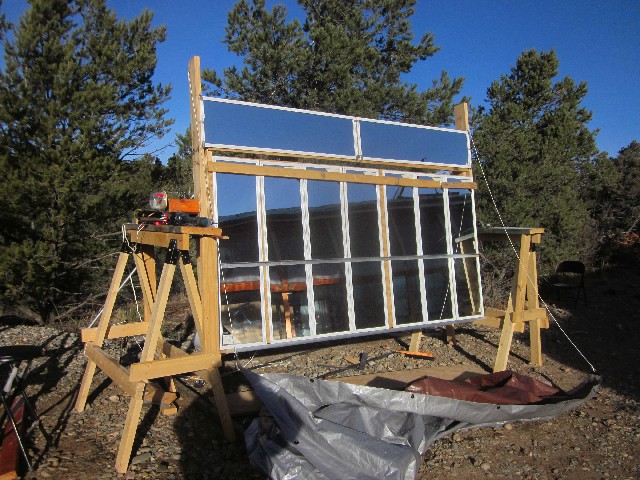
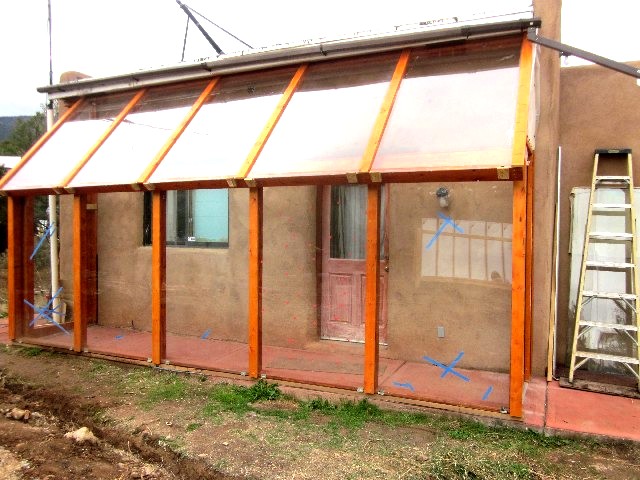
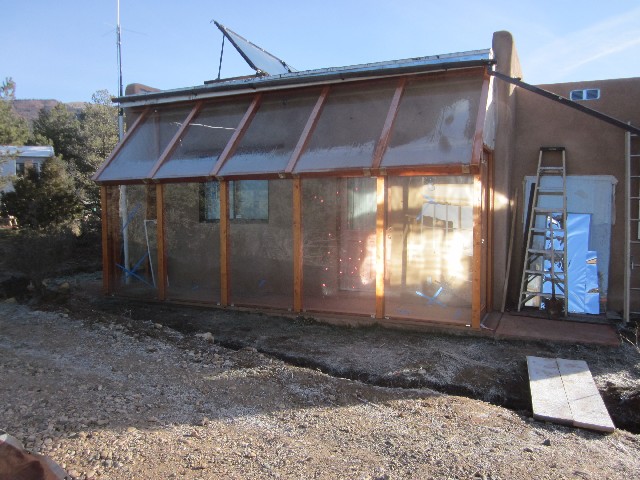
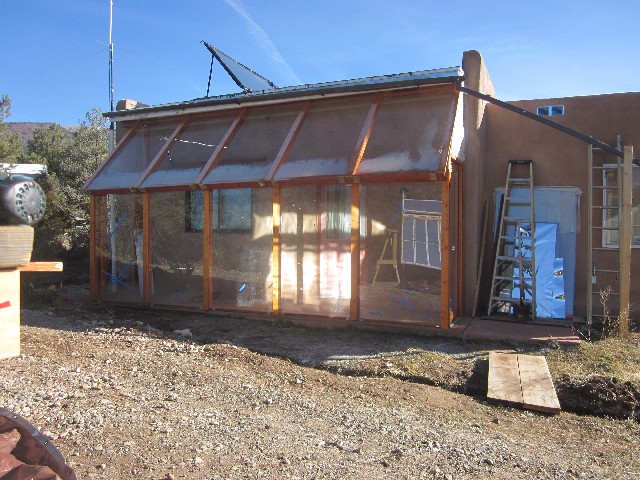
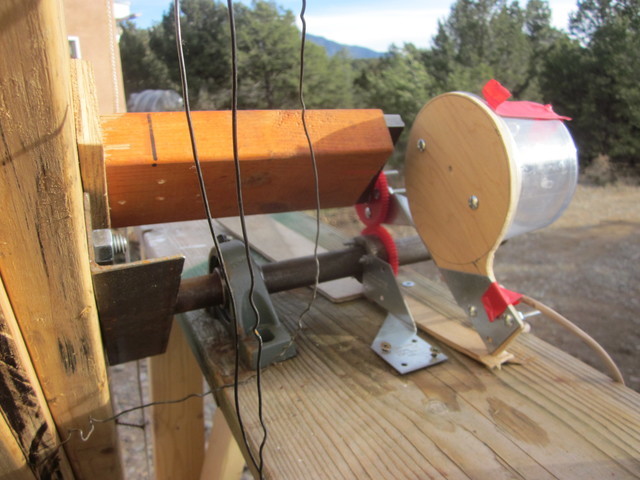
Anthony Kaluta's LFR example places mirror slats on the West side of a North/South vertical greenhouse wall facing West. It looks like the slat orientation can be oriented NNE/SSW. The intention is to maximize reflected light to the greenhouse in the morning and early afternoon during the cold half of the year, (Northern hemisphere description).
This instalation is in New Mexico at over 7000' altitude.
The slat and receiver axes radiate from a point that is rather close on the north side so are clearly not parallel.
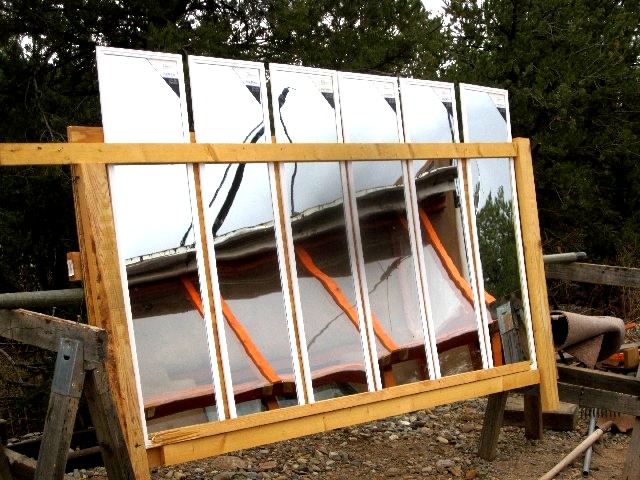
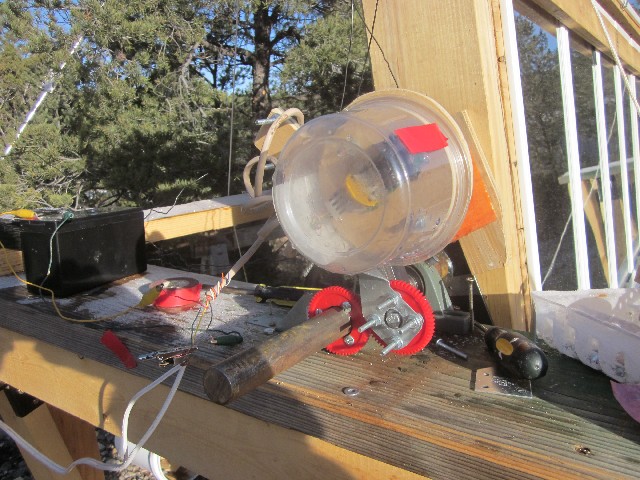
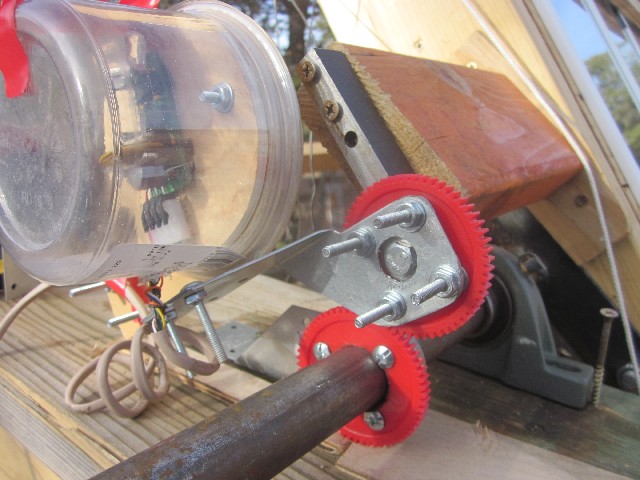
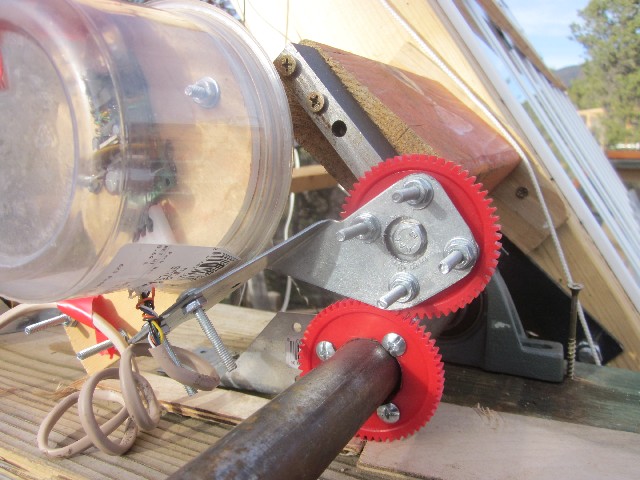
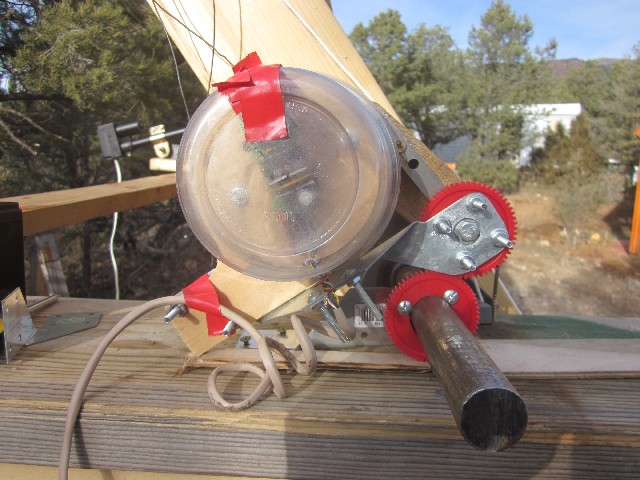
Another is a single horizontal Mirror Slat in front and below the window's sill to reflect light upward through the window onto the ceiling which scatters the light throughout the room. Generally the slat should be at least twice as long as the window is wide. This works well as the light is not usually reflected into ones eyes.
Another is a pair of vertical Mirror Slats to either side of the window jam's to reflect light upward through the window. I don't like this method as the glare of the reflected light is uncomfortable to look at. Note! This could also use the 2/3rd Motion mechanism but still not desirable.
3. A simple tracker mechanism for LFRs is the 1/2 speed motion geared type like those I used on a "Receiver Axis Heliostat" mount except the tracker is a single axis type. Or you could use a single axis computational tracker.
lfrose
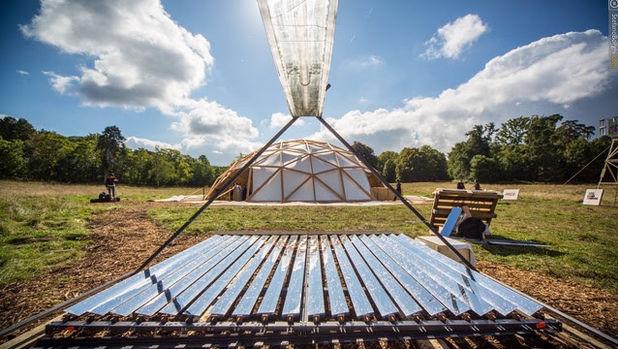 * There is an Instructable based on the LFR concept.
In this case their design is used to produce hot water or steam. The receiver has secondary concentration based on Dr. Roland Winston's CPC or Compound Parabolic Concentrator.
The controller they are using is an Arduino driving multiple, 20, stepper motors, one for each mirror slat. However, there is no need for multiple drive motors, just a single motor is requiresd. All the slats would be mechanicly linked with something like a pair of gears for each slat or a cable and pulley on each slat.
lfrcalcs
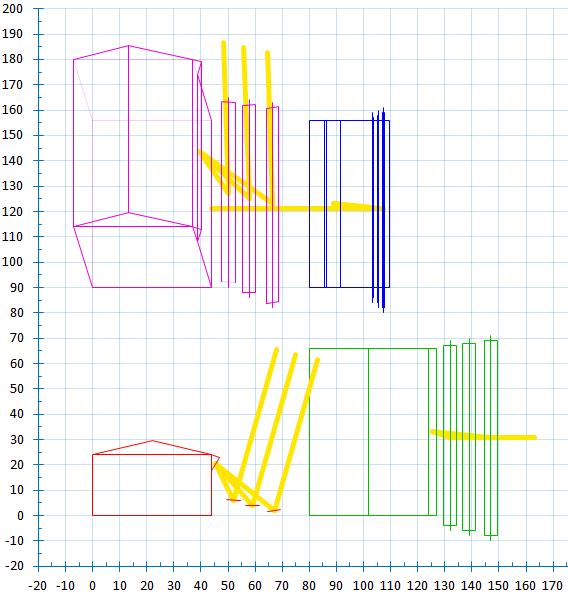 * This is an "Excel" spreadsheet to do some LFR Calculations on a large scale thermal heating project I'm designing.
sfera
 * SFERA Linear Fresnel Collectors
A Technology Overview
A fairly thorough presentation on LFR systems including geometric mathematics.
hdsolar
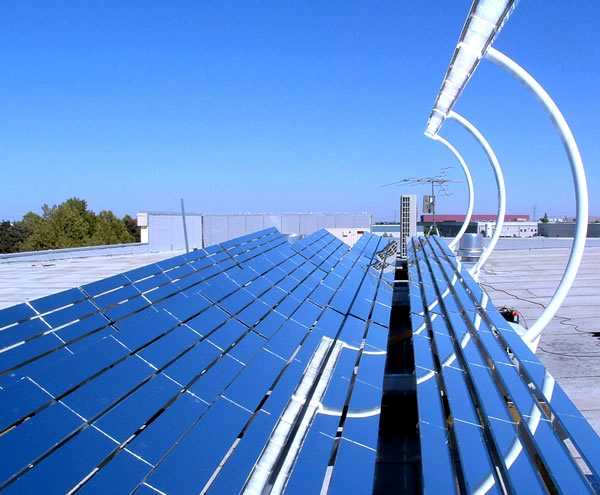 HelioDynamics (LFR) Design
Linear Fresnel Reflector, LFR, instead of CLFR because each mirror slat always aims at a single line receiver.
I think these guys went away.
ijeit
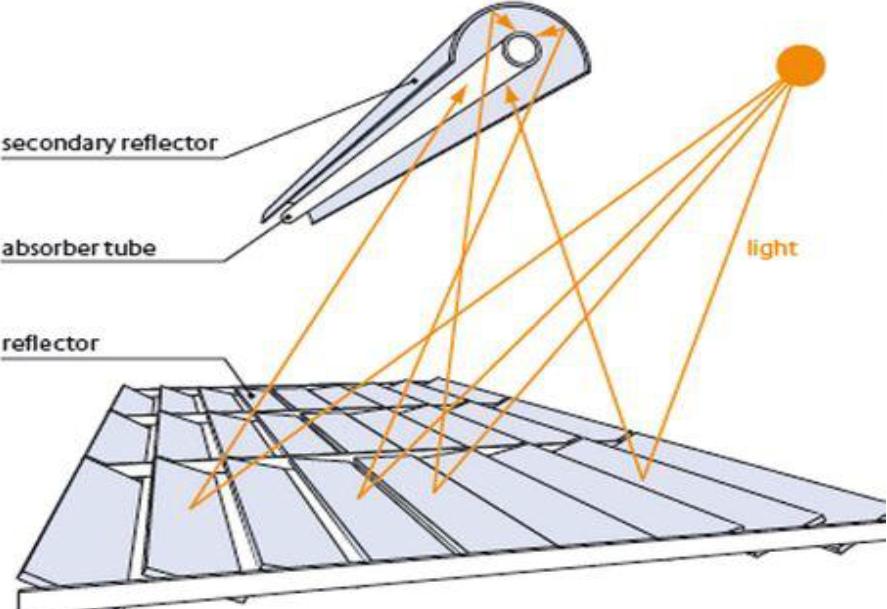 Design and Analysis of Rooftop Linear Fresnel Reflector Solar Concentrator (LFR) Design
Linear Fresnel reflectors, as shown Fig 1 use long, thin segments of mirrors to focus sunlight onto a fixed absorber located at a common focal point of the reflectors.
leonardo
Apparently the LFR concept was first described by Leonardo Da Vinci:
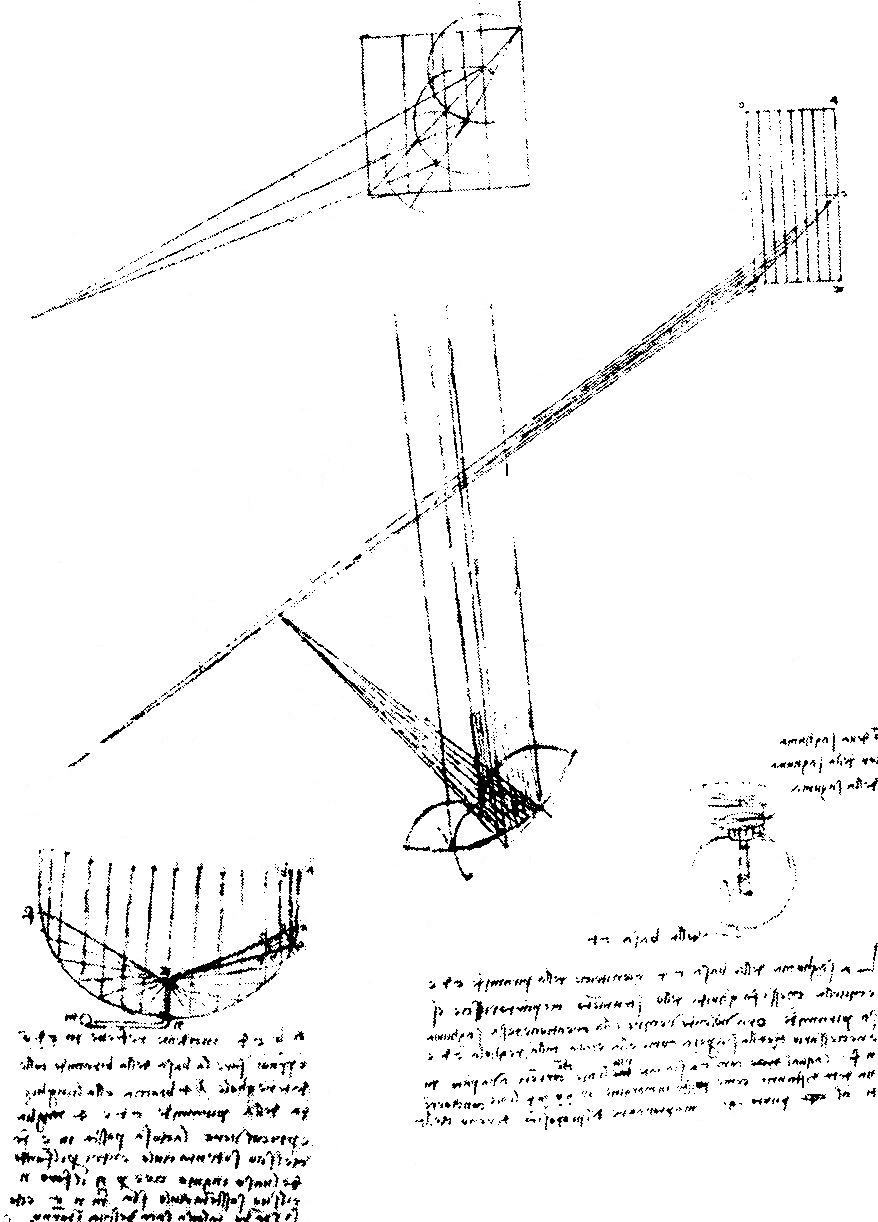 Leonardo Da Vinci in one of his notebooks on solar concentration.
clfr
singleaxisheliostat2
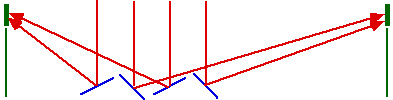 Compact Linear Fresnel Reflector, CLFR (CLFR Design)
The University of Sydney School of Physics
This is the new kid on the block.
This is an example of a "Single Axis Heliostat".
This concentrator is a form of heliostat as it fits the definition of a heliostat.
1. It redirects the light to a stationary target.
2. The geometry changes throughout the day.
3. And is aimed at the bisector.
An interesting variation of a heliostat using linear movable mirror strips or slats, something like a Venetian blind. This concept only tracks in one axis. In this case I believe it satisfies the definition of a heliostat even though the second axis movement is not required. Movement of the image does occur along the line of the stationary receiver so the slat length is extended a bit to keep the receiver fully illuminated.
A new and unique design, although not fundamentally new as Leonardo Da Vinci described it centuries ago. This has the potential to make large heliostat systems truly cost effective. The design is highly scalable. In other words as the size goes up the component cost to power ratio, installed $/W, actually goes down.
T Pole heliostat costs go up as size increases mainly due to exponentially increasing bending moments in high winds.
The "Compact" part of the CLFR, of which they got their patent, stems from the method they use to aim the mirrors at one of two receivers at different times of the day. They do this to prevent a mirror slat from "Shadowing" its neighboring mirror slat. This results in a more "Compact" design. As with the LFR The motion of each slat is the same, but when a slat switches from one receiver to the other that angle of "SWITCHING MOVEMENT" is NOT the same as the other slats. This kind of complicates the slat driver mechanics.
russell
singleaxisheliostat3
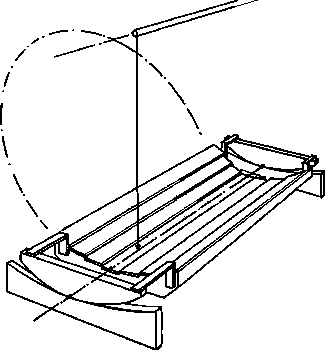
Russell Concentrator (Russell Concentrator) Design
The Russell Concentrator is similar to the "LFR" except the mirror slats are stationary and the linear receiver moves in a circle.
This is an example of a "Single Axis Heliostat".
This concentrator is a form of heliostat as it fits the definition of a heliostat.
1. It redirects the light to a stationary target.
2. The geometry changes throughout the day.
3. And is aimed at the bisector.
2/3motion
singleaxisheliostat4
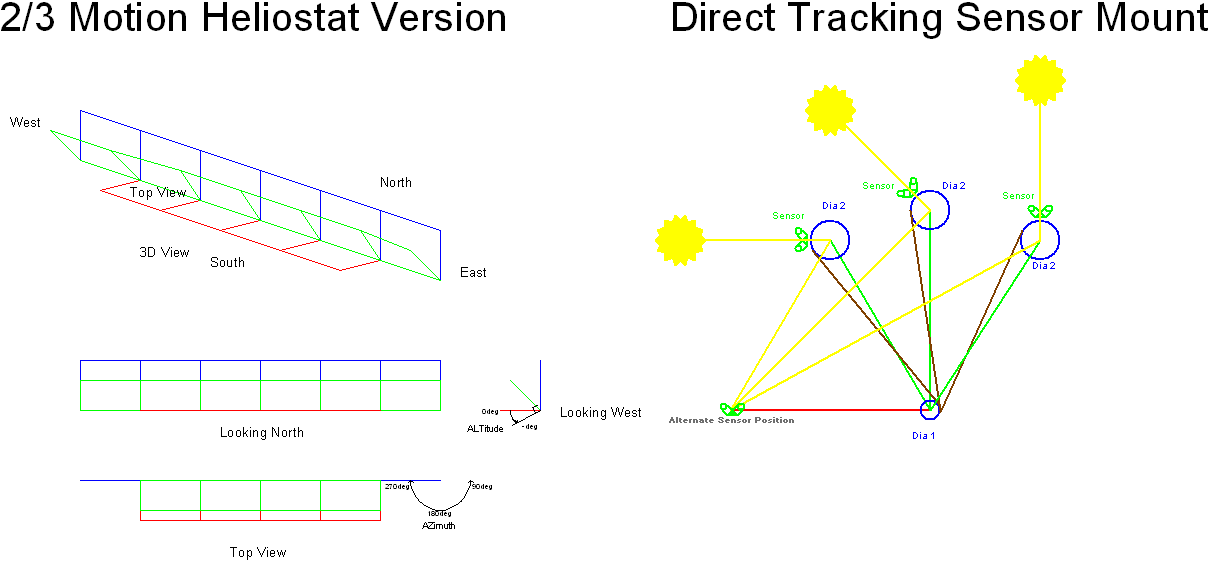
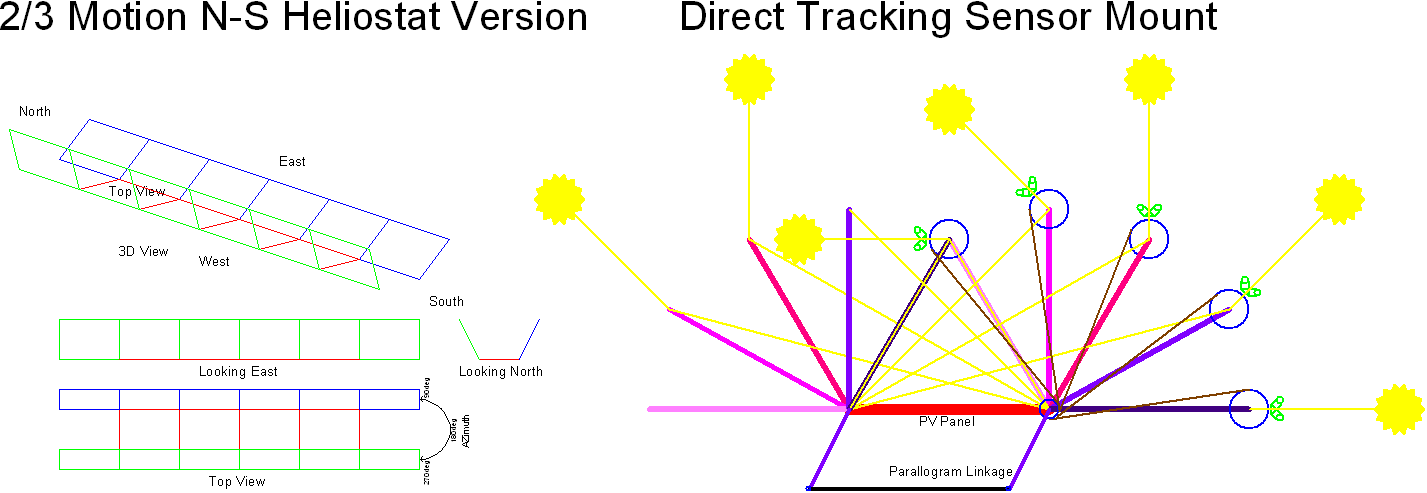
 Steve Baer (2/3rd Motion Heliostat) Design
"2/3rd Motion Heliostat", Steve Baer first described this type of heliostat motion in "Notes on Tracking May 2008" in an internal Zomeworks paper.
I'm fond of saying "There is little fundamentally new in the field of solar tracking". This may have proved me wrong!!
(If anyone knows of examples prior to May 2008 please inform me. I want to be complete here.)
This is an example of a "Single Axis Heliostat".
This concentrator is a form of heliostat as it fits the definition of a heliostat.
1. It redirects the light to a stationary target.
2. The geometry changes throughout the day.
3. And is aimed at the bisector.
Nick Pine, on the SolarHeat Forum, has been designing a hybrid water cooled PV panel system. Essentially, 30 feet of panels are mounted flat in a row in an East-West direction. They must be flat to the horizon because of the water hybrid element. On the North edge a mirror, equal in width ( 39" ) to the panels and extended in length past the ends of the panel array, is hinged to move in a North-South direction. This mirror is used to reflect light onto the panels.
This can be called a "Single Axis Heliostat" like the LFR although there are severe restrictions on placement and geometry.
I was trying to develop a tracker for this. I tried to move the mirror in "MirrorAngle" to do bisector or 1/2 speed motion as other heliostats do. This was not working out well as the mirror width needed to be excessively wide.
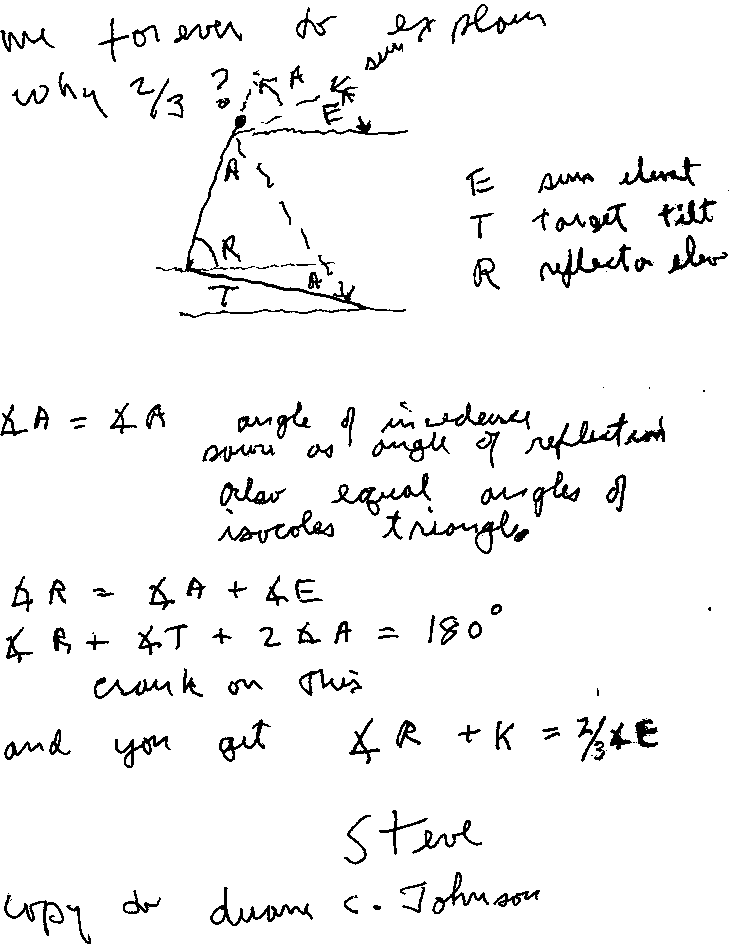
Nick showed me the mirrors should move in "MirrorAngle" with 2/3rd the motion of the sun's "SunAngle". This motion is an inherent property of isosceles triangles, triangles with at least 2 sides of equal length. One side being the mirror and the other the PV panel. Note! In my example drawings the 2/3 motion is implemented using 2 gears or pulleys. The primary one is stationary with the secondary mounted on the mirror. The secondary gear or pulley is exactly 2 times the diameter of the primary.
Note! "SunAngle", or SA, is not the same as "ALTitude". SunAngle is the angle above the horizon at a point normal, perpendicular, to the mirror axis. It starts at 0° at the horizon and goes to 90° at the zenith and extends over the top to 180° on the other side.
Similarly,"MirrorAngle", or MA, is not the same as "ALTitude". MirrorAngle is the angle above the horizon at a point normal, perpendicular, to the mirror axis. It starts at 0° at the horizon and goes to 90° at the zenith and extends over the top to 180° on the other side.
An alternate location for the sensors is near the edge of the panel opposite the main axis. However, this location, which uses reflected light is not nearly as accurate as the other method which looks directly at the sun.
2/3rd motion, huh? What gives? All solar tracking motions are supposed to be either 1/1 or 1/2. I never heard of this before! But it does work!! Neat huh!!!
After studying this we realize that a N-S orientation with 2 mirrors works even better. Geometrically, there are no restrictions as to orientation of the fixed receiver. The orientation where the line of PV panels are mounted on the polar axis will have the most gathered energy per day. Or say, directly on a south facing roof. Of course, we often have engineering restrictions, (such as Nick's requirement for the PV panel be mounted flat), that limits optimal mounting.
All this is a bit hard to explain in words so study the images. You can call me at (651)583-2265 if you have questions.
Anyway, this looks like a truly new concept. It does have some warts though.
Here are the pros & cons.
1. Concentration is limited to 2X or less, with some orientations much less.
2. Energy gained per day is always more than a fixed mount panel without a mirror of the same orientation.
3. The PV panel or other active receiving device is easily mounted and doesn't move.
4. A simple sensor based tracker can be used. Of course, computational tracking can also be done.
5. The sensor is mounted on a simple 2/3 gear, or cable, mount so the sensor aims directly at the sun. A big plus as it can't be confused looking back through the mirror as in an inline tracker!!!
6. Of course, since the mirror tracks the sun in only one axis there will also be "COSINE Loss" when the sun is not normal to the mirror in a direction along the main axis.
Further work:
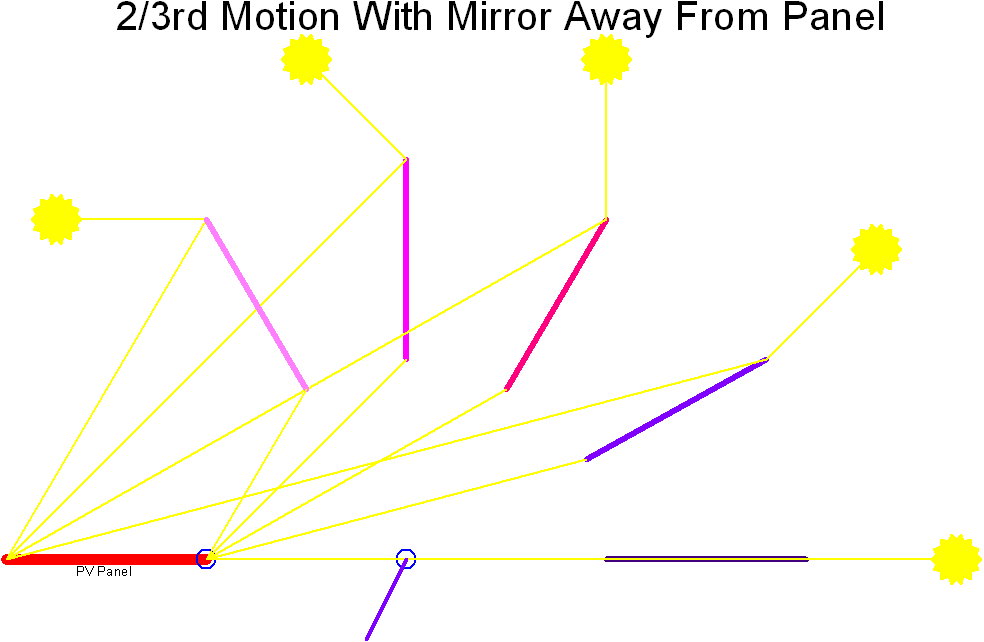
It is not a requirement that the mirror meet the panel at the edges. The only requirement is that the plains of the mirror and panel meet a common vertex of the isosceles triangle.
The implication is the mirror can be mounted away from the panel, for engineering reasons, if a gap is needed.
You might ask, can extra sets of mirrors on the same side be added to increase concentration?
The answer is no.
All the reflected light from the extra mirrors will be shadowed by the inner mirror.
It occurred to me the inverse of all this also works. Basically, the mirror and PV panel exchange places. Now the panel moves and the mirror is fixed. This has limited use and I would call it trivial.
I wrote an Excel Spreadsheet to see how this all works. I also tried using 3/4th and 4/5th motions. I found 2/3rd motion is superior in every way to the other motions in these applications.
The spreadsheet calculates:
1. The exact flat mirror width for each SunAngle. Of course, you will choose the largest calculated width for a desired SA range if the motion is other than 2/3rd.
2. The sun concentration factor contribution for the PV panel and each wing mirror for each SA.
3. The gear ratio for the solar tracker mount.
4. The basic difference angle between the 2 wing mirrors.
Related a bit, but not exactly:
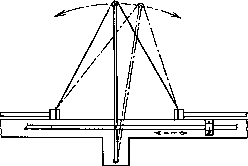 Patent:US4316448 Solar energy concentrator system.
This has movable film mirrors. The geometry is not exact but close enough for many applications.
2/3cooker
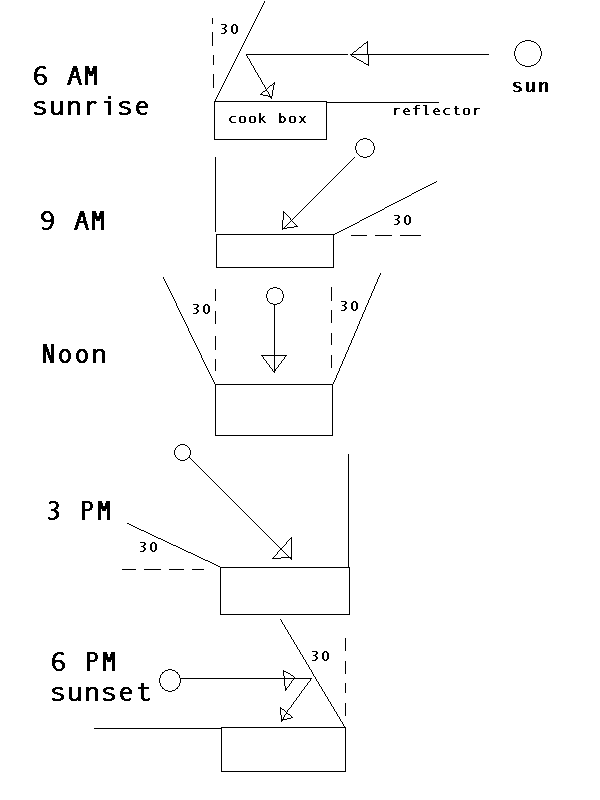 2/3rd Motion Solar Tracking With A Box-Style Solar Cooker.
"James W. Thomasson, PhD wrote this article.
James described the exact 2/3rd motion. And then goes on to describe a simple drip tracker and a cable scheme to move the mirrors for a solar cooker. The geometry of the cooker version is not actually 2/3rd motion. The linkage works OK, and good enough for the box cooker.
Added info:
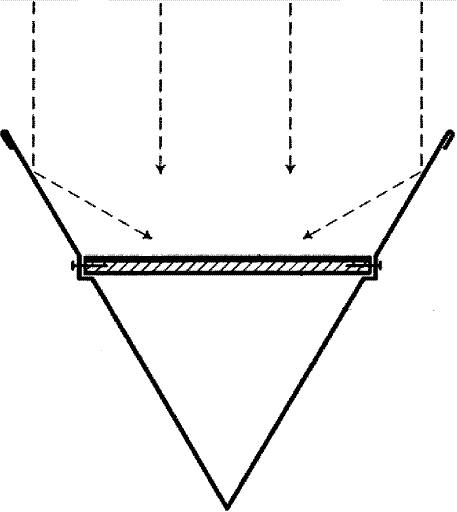 Patent:US2010-0206303 Solar Concentrator Truss Assemblies.
Non movable mirrors set to 60° on a moving frame.
hinge
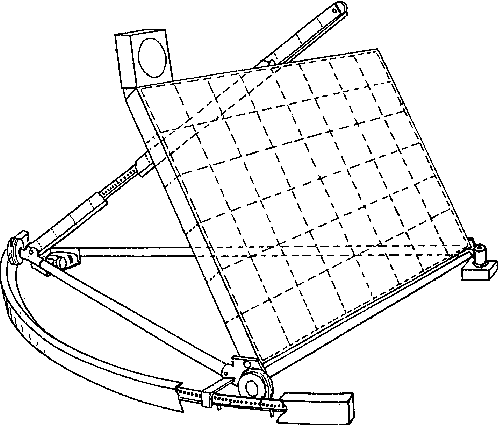 Hinge (Hinge design)
receiveraxis
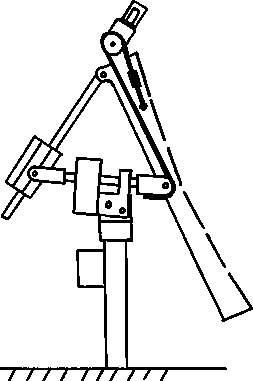 Receiver Axis (Receiver Axis design)
(Can be called "Receiver Axis", "Target Axis", "Spinning Elevation", "Spin Elevation", "Spin Tilt", or "Rotation Elevation" heliostat mount.)
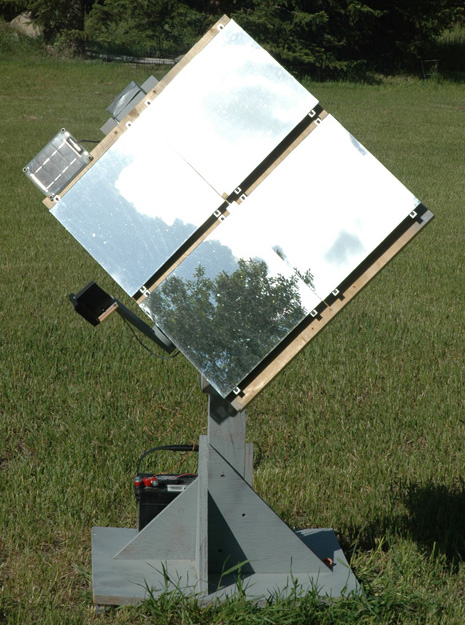 Heliotrack Solar Heliostat: A device capable of reflecting sunshine to a stationary target throughout the day (Receiver Axis Design)
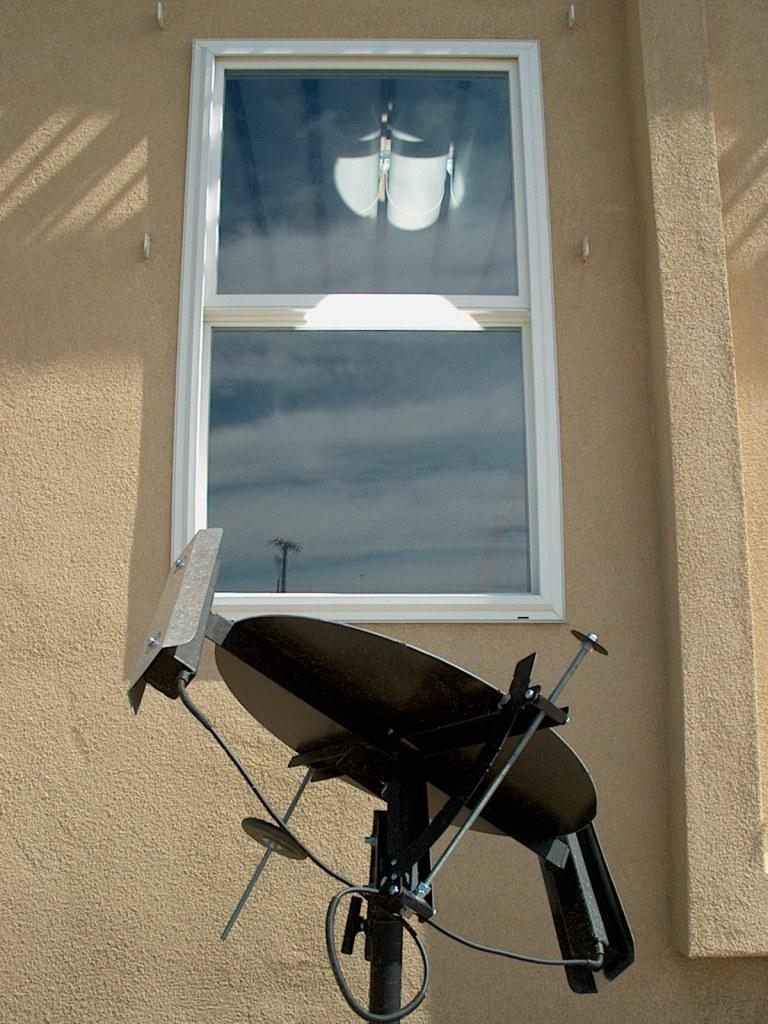 Sundog Lighting Heliostat (Receiver Axis Design)
Steve Baer's Zomeworks has a receiver axis heliostat.
dish
DISH:
A dish is a two axis solar tracking mirror that reflects sunlight onto a receiver, often circular in shaped, that is in alignment with the sun and the central axis of the mirror.
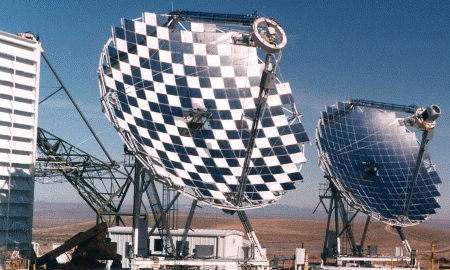 Sandia Dish
yangsui
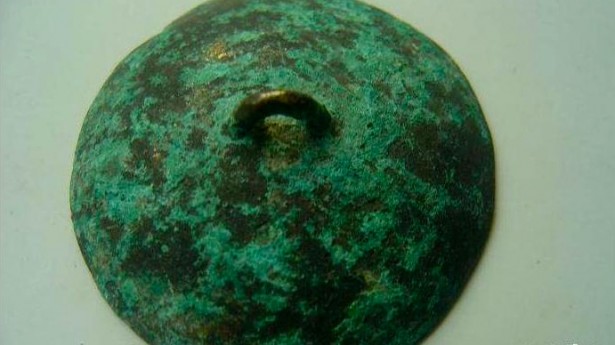
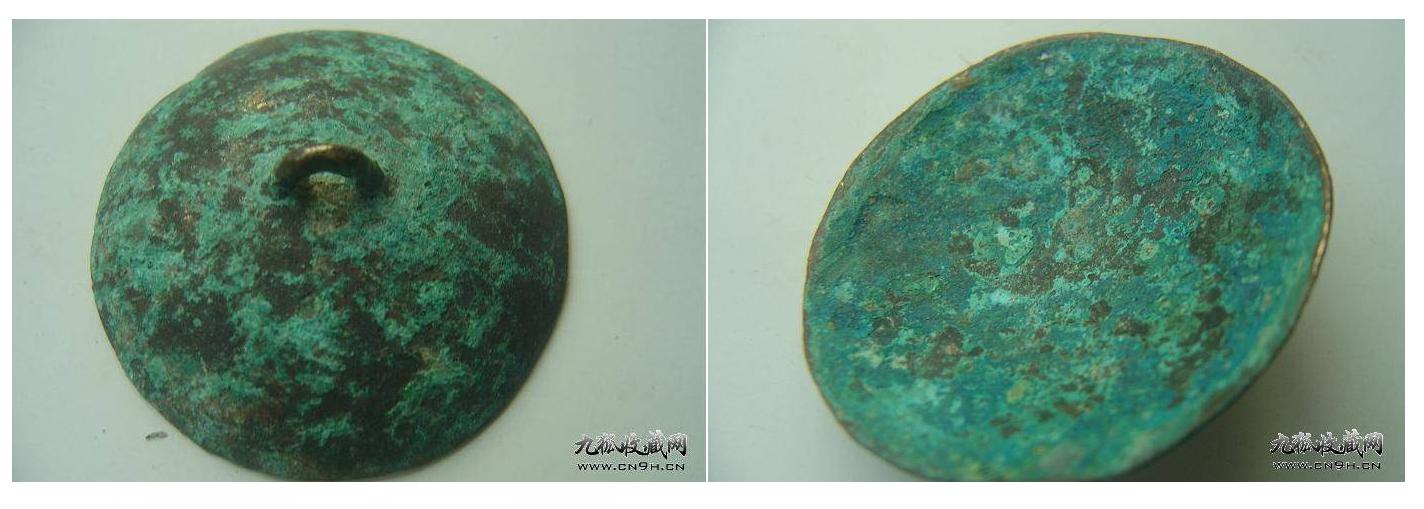
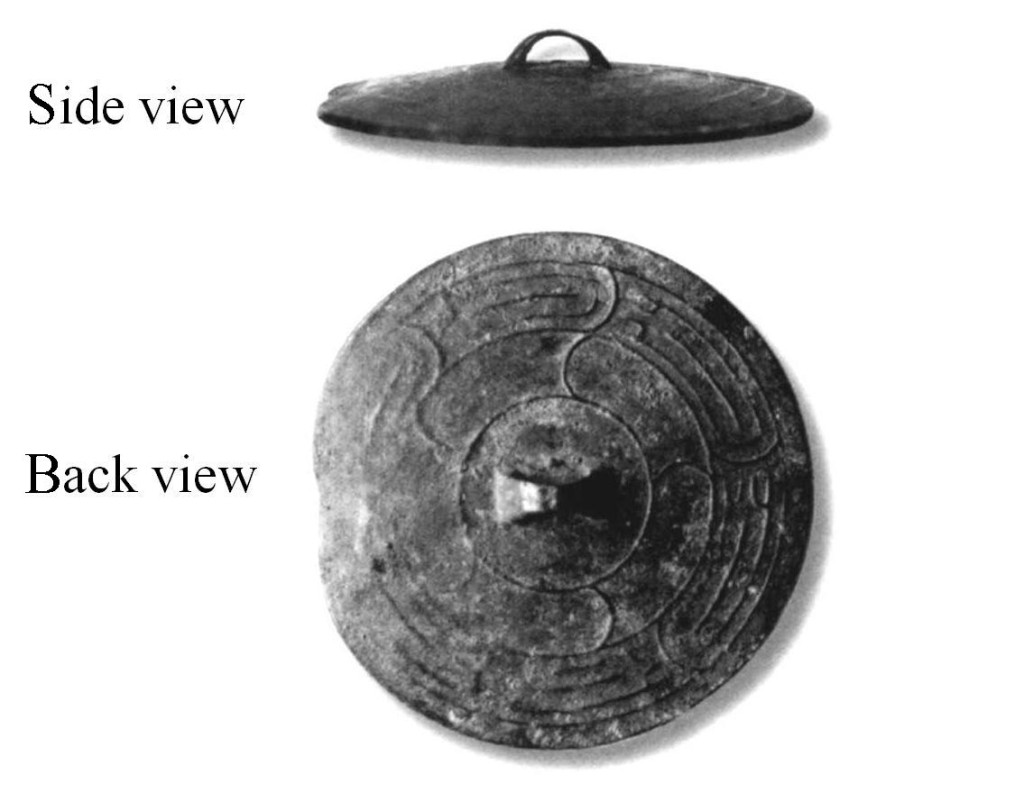
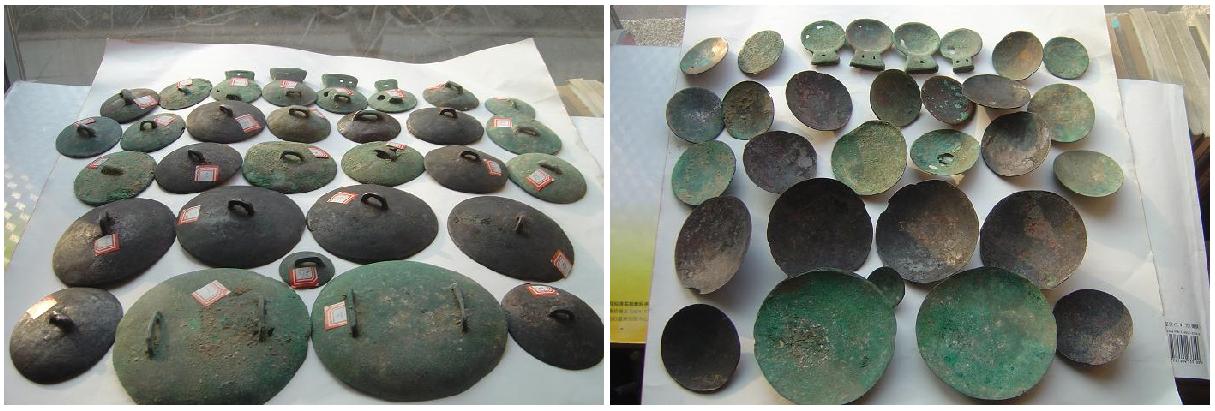 YangSui translates to solar ignitors, or burning mirrors.
Possibly the oldest solar device at 6000 years ago. Used to ritualistically ignite fires in seconds. Made of bronze with a polished inner parabolic surface.
trough
TROUGH:
A trough is a solar tracking mirror, either one or two axes, that generally reflects sunlight onto a linear receiver that is perpendicular to and is in alignment with the sun and the central axis of the linear parabolic mirror. A variation is the use of linear lens elements.
troughew
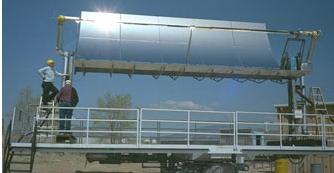 Sandia East-West Horizontal Axis Trough (Horizontal)
Practical Field Alignment of Parabolic Trough Solar Concentrators (Horizontal)
Technically this test facility trough is mounted on a large turn table, a kind of Lazy Susan, so actually the main axis of rotation is vertical and the secondary axis is horizontal.
rotaryinsulation
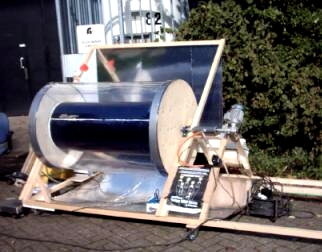 Horizontal Axis Trough with Rotary Insulation (E/W Horizontal Axis)
This trough uses an innovative high efficiency transparent rotary insulation system. When spinning colder, heavier, air is forced to the peripheral surface of the drum through centrifugal force. The hotter, lighter, air is forced to the interior surface of the concentrator through centripetal force.
Air is a good very good insulator. In normal insulation the air can convect from the hot surface to the cold surface reducing its effectivness. Of course, materials such as fiberglass help to prevent this convection. However, these materials prevent light from passing through. Rotary insulation is highly effective as virtually no convection will occure.
Apparently Jeroen van Luijtelaer invented this concept.
Rotating solar boiler (2005)
Build It Solar has a DIY artical by Luijtelaer this:
The Rotating Solar Boiler -- A NEW Idea.
troughpolar
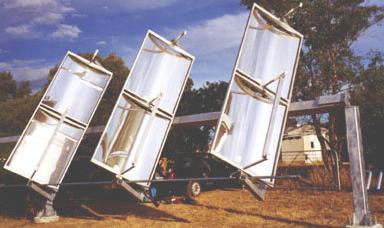 Polar Axis Trough (Polar Axis)
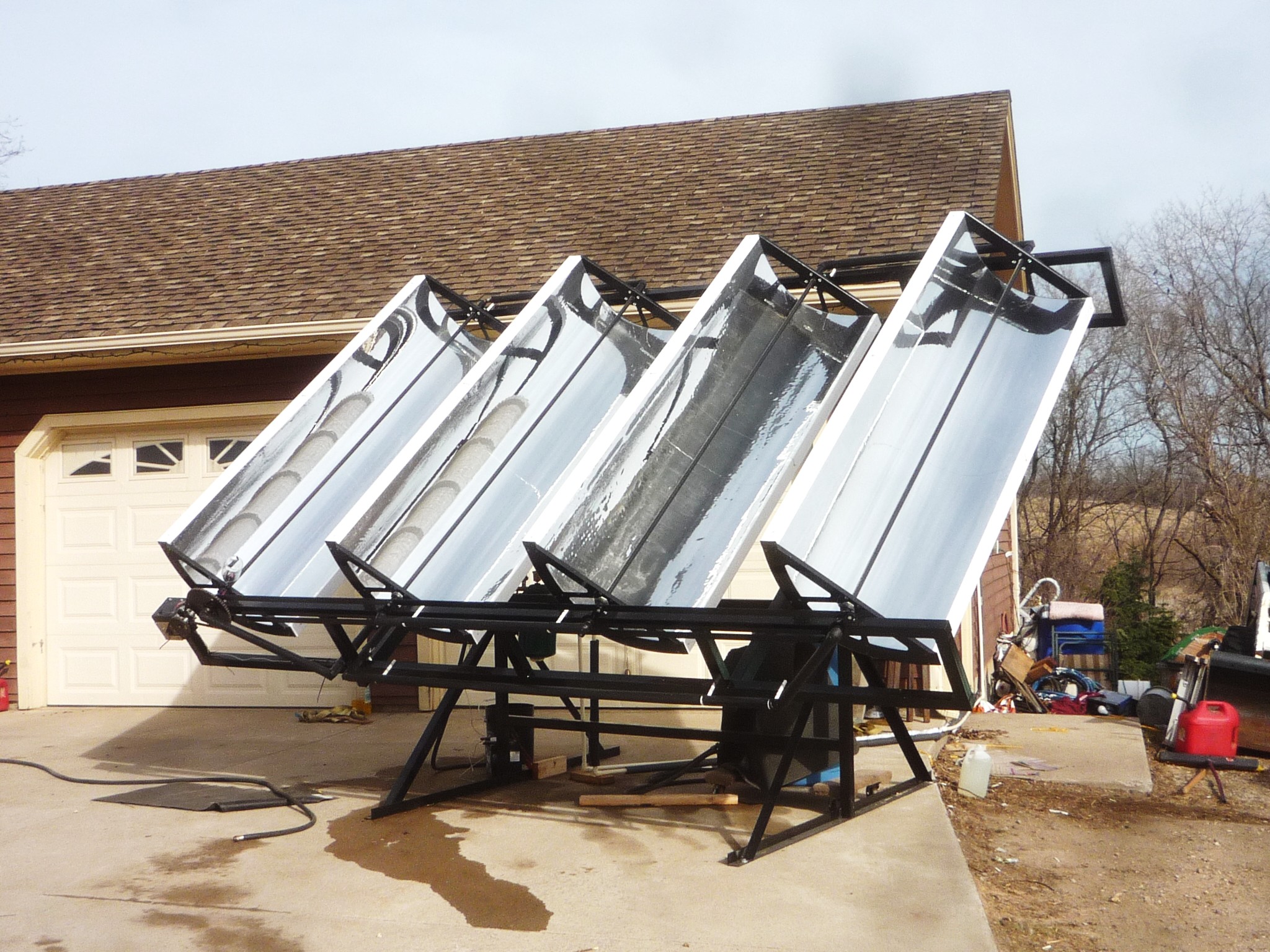 Ron Smith's Polar Axis Trough (Polar Axis)
cpc
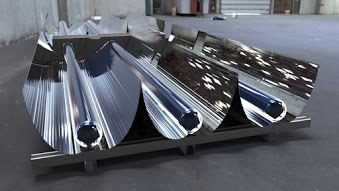 * Arctic Solar's Compound Parabolic Concentrator (CPC)
This type of concentrator is based on Roland Winston's basic, long expired, patent US3923381.
Unlike conventional parabolic concentrators which require relatively accurate aiming CPC troughs can accept much wider acceptance, or off axis, angles.
The wider acceptance angle can be a good match with Linear Fresnel Reflector, LFR, arrays.
hyperbolicparaboloid
hypar
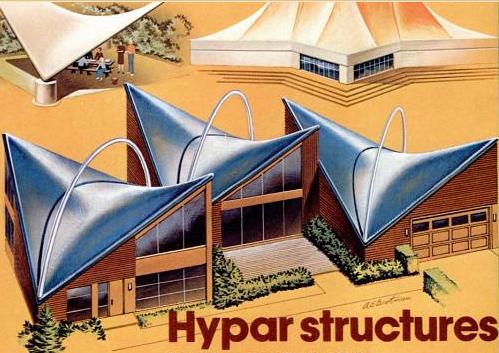
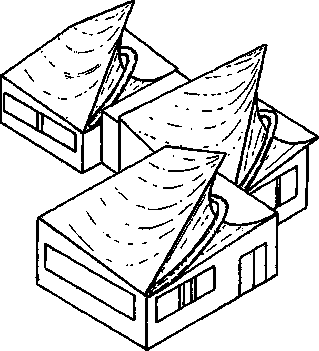 Hyperbolic Paraboloid (Hypar design)
This concentrator is technically a trough as the focal zone is a line, although it uses a Hyperbolic Paraboloid reflector.
Its also is technically a heliostat as the geometry changes throughout the day.
The 3D curves are built up from strait lines.
furnace
 Sandia Solar Furnace (T Pole Design)
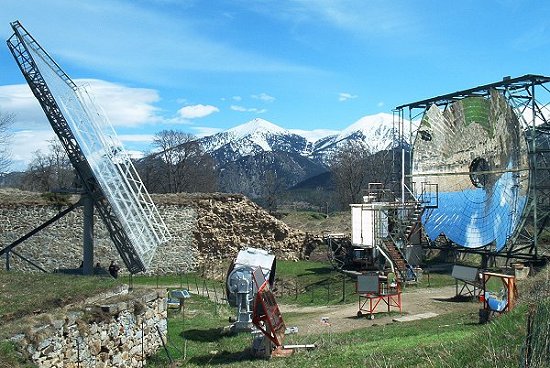 Four Solaire Solar Furnace (T Pole Design)
 Odeillo Solar Furnace (T Pole Design)
sunshinerecorder
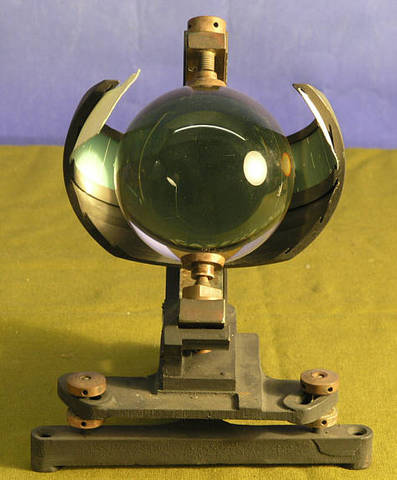 Sunshine Recorder
A sunshine, Campbell–Stokes, recorder is a device that records the amount of sunshine at a given location.
rawlemon
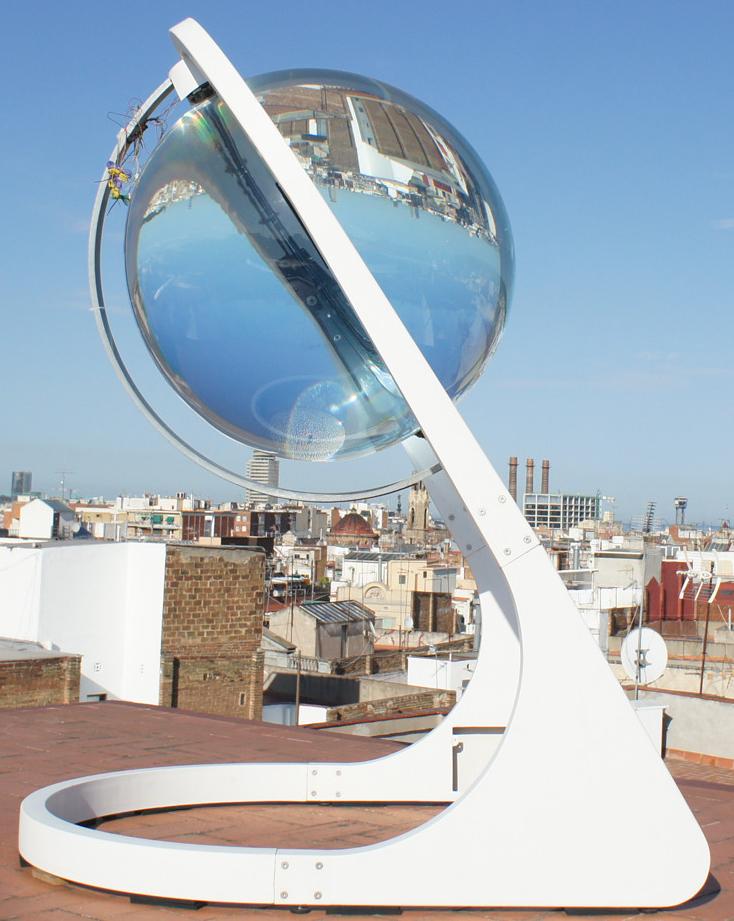 Rawlemon Solar Devices
A Campbell–Stokes device that concentrates sunlight on photovoltaic cells.
pyrosphere
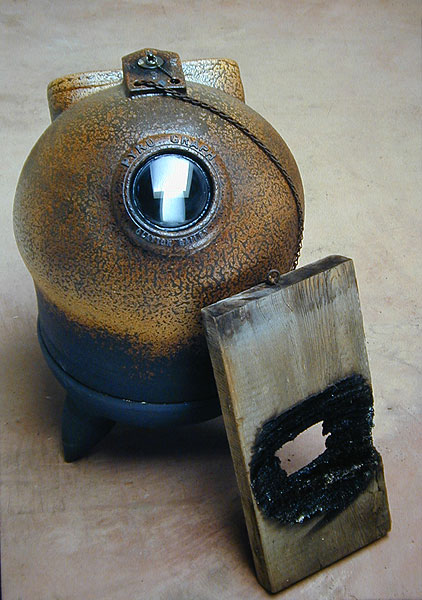 Pyrosphere
Clayton Bailey's sunshine recording device.
Pyranometer
 Pyranometer
A pyranometer is a type of actinometer used to measure broadband solar irradiance on a planar surface and is a sensor that is designed to measure the solar radiation flux density (in watts per metre square) from a field of view of 180 degrees.
concepts
 Heliostat design concepts 960301.
Absorptivity
Black Crystal
Chemistry
Complaint
Concepts
Costs
Cover
Efficiency
Emissivity
Fridge
Future
Greenhouse
Heliostat
Light Measurements
Lighting
Lumens
NREL
Phase Change Materials
Power
Radiometric & Photometric Terms
Reflectivity
Solar Spectrum
Solec
Stasis
Storage
Thermal Connection.
Thermal Properties of Materials.
up970331
Update of Heliostat arrays 970331.
Arrays
Computer
Costs
Description
Divergence
Front
Furnace
Lighting
Neat
Odeillo
Plan
Side.
up980301
Update of Heliostat arrays 980301.
1997
3M SMF1100 Solar Film
Axis
Bridge
Challenge
Computer
Converters
Costs
Cover
Deflandre
Diodes
Dish
Efficiency
Engine
Fresnel
Heliostat
Hinge
Horizontal
Richard J. Komp, Ph.D.
Mylar
Polar
PV
Sayre
Size
Software
Thermal
TPole
Tracker
Trough.
Many links have a single word in very small sized characters next to them. These are used to find this location in the page. If you want to jump directly to that location in the page include that word in the URL: for that page. Here is an example to jump to this "link" text:
http://www.redrok.com/main.htm#links
see how the "#links" was added to the basic page URL:

| wells * "David N. Wells" <laseraxe@erols.com> * The Northside Company. * Davids concentrator is similar to the Russell patent# US4148564. This is a Power Point slide presentation. * The same thing in HTML. | |||||||||||||||||||||||||||||||||||||||||||||||||||||||||||||||||||||||||||||||||||||||||||||||||||||||||||||||||||||||||||||||||||||||||||||||||||||||||||||||||||||||||||||||||||
| moshier aa * Astronomy and numerical software source codes by * "Stephen L. Moshier" <steve@moshier.net> * aa-56.zip Self contained Ephemeris Calculator. This is a neat program that can be run as a subroutine. Its written in C.
| 
burnett | * Keith has written codes for the Position of the Sun. They're based on page C24 of the 1996 Astronomical Almanac. He presents it in the forms of Formulas, QBasic ( works with Power Basic ), and Excel 97 Spreadsheet. * "Keith Burnett" <kburnett@btinternet.com>
| 
suncalc | * SunCalc Graphic position of the Sun in realtime.
| 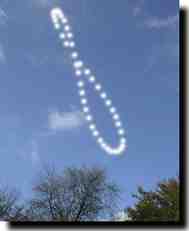
analemma | * The Analemma Key to astronomical and solar tracking mathematics. * Red Rock Analemma Page A bunch of links to solar astronomical info.
| 
borealis | * Borealis Power Technology They hold patents on an exciting now type of electric power generation technology called Power Chips. They operate on the electron thermionic emmmision principal. See: * Borealis on my patent page.
| 
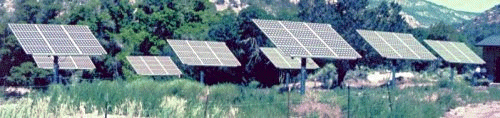
pfts | * Power From The Sun A very nice solar book on the net.
| 
mike | * Solar Mike's Photovoltaic web page. I'm still alive but my personal website isn't. It took a lot of time to maintain and I've taken a job with Array Technologies, Inc. I did pick up the URL http://www.solarmike.com but have not done anything with it. Any specific questions...drop me an email "Solar Mike, Michael Reed, Sales Manager" <mreed@wattsun.com> Array Technologies, Inc.
| 
mrsolar | * Mr. Solar. Your contact point for information, products and services about every aspect of solar, wind & water power. * PV panels sorted by power.
| 
sspence | * "Steve Spence" <sspence@green-trust.org> * green-trust.org Steves website has a wealth of alternative energy topics.
|
dew | * Dew Point, dew.exe I have a useful program for calculating and converting between Dew Point, Relative Humidity, and Ambient Temperature. Click on this line to download the program. parabola | 
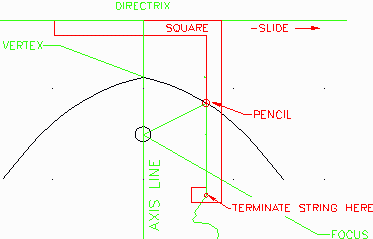
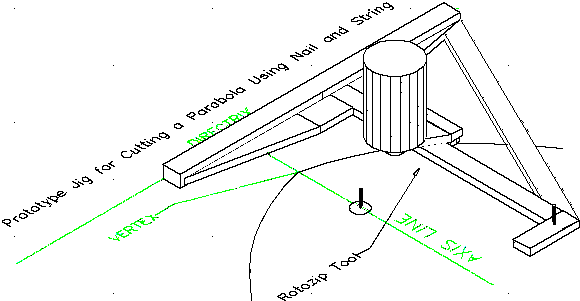
amsi | * Drawing a parabola with a T square.
|
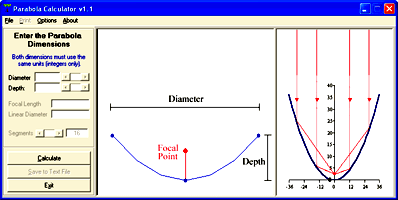
focallength | Parabolic Focal Length Calculations The focal length and image size of a parabola can be calculated with some simple measurements. Measure the Radius distance of the parabola from the rim to the central axis and Depth of the dish. In addition this Excel spreadsheet assumes the reflector is This spreadsheet can also be used with any arbitrary parabolic curve.
I own a set of 10 of these I got on ebay from Light Manufacturing.
They have a new multiple heliostat design. Take a look!!!! I remember "Solar I" doing something similar years ago using Hawaiian black obsidian sand. Here are some preliminary search links: One of their trackers, the "Track'n Park", has the ability to park in a "Face Up" or "Tabled" position. While this is interesting, I highly discourage this practice for several reasons.: Be aware, many of their products are using a Microprocessor which has not passed the FCC radio emission tests so would be illegal to use in the US and other parts of the world. |

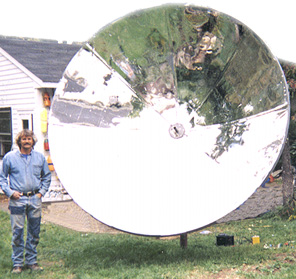
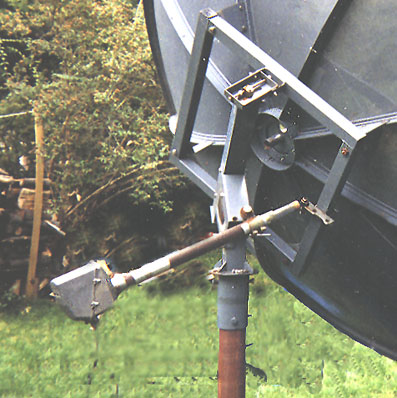
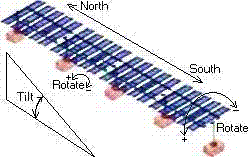
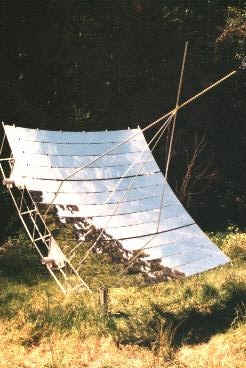
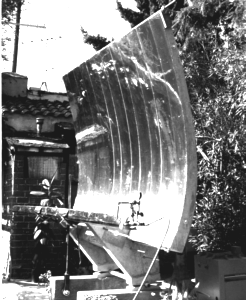
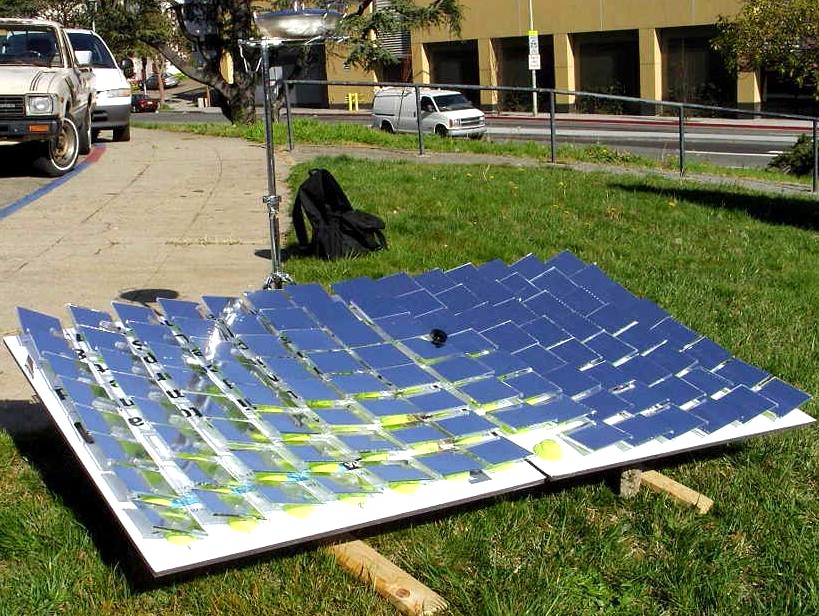
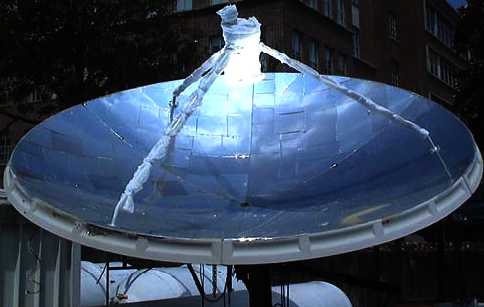
 SunFlower's 35 year Dish Concentrator History



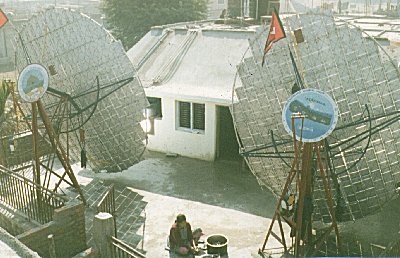
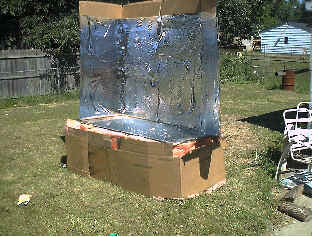
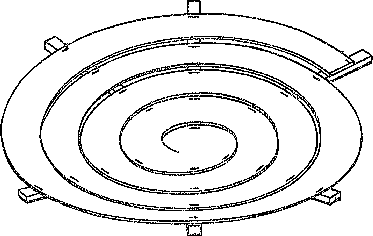
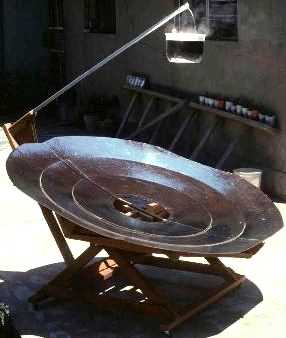






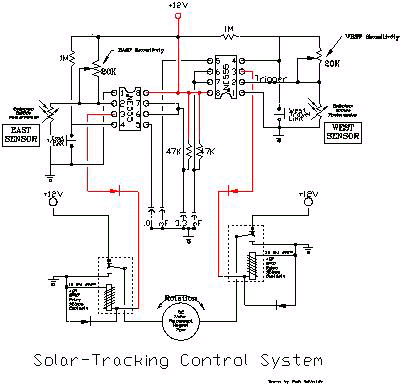
 XOR Type Tracker